Benny and the Lost Bluebird
A little squirrel discovers that helping a friend can be a quiet, patient journey filled with kindness.
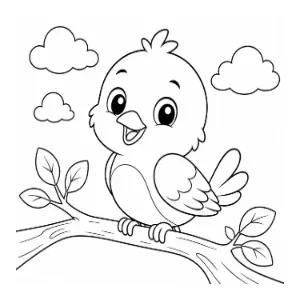
Benny the squirrel loved collecting acorns. He’d scamper through the forest, his little green satchel bouncing, always on the lookout for the plumpest, shiniest ones. One sunny afternoon, as he poked around under a big oak tree, he noticed something unusual. Tucked beneath a prickly bush was a tiny blue bird, hardly bigger than his paw. She looked very tired, her little sky-blue feathers ruffled, and her tiny black eyes blinked slowly. “Hello there!” Benny chirped, his bushy tail twitching. “Are you alright, little bird?” The bird, whose name was Bluebell, sighed. “Oh, dear me, no. A big, strong gust of wind blew me far away from my family’s nest. Now I’m too scared and too tired to fly back all by myself.” She looked up at Benny with such a worried face.

Benny felt a little flutter in his own chest. He wanted to help! First, he bravely tried to find Bluebell's nest. He scampered up tree after tree, peering into branches, but all the tall, green trees started to look exactly the same. The afternoon sunlight was beginning to turn golden, and Benny knew it would be dark soon. He slid back down to Bluebell, feeling a bit discouraged. “I can’t find your nest, Bluebell,” he admitted softly. Bluebell drooped her head. But Benny wasn’t ready to give up. “Don’t worry! We’ll figure it out,” he said, his voice full of kindness. He scurried off and returned with a few juicy red berries for Bluebell to nibble. Then, he gathered a pile of soft, warm leaves and gently tucked them around her, making a cozy little bed. Benny sat right beside her, listening closely.

Just as the sun dipped below the treetops, painting the sky in shades of orange and purple, a gentle, familiar 'cheep-cheep' drifted through the air. Bluebell’s head perked up! “That’s Mama!” she chirped, her tiny heart fluttering with hope. Benny listened too, recognizing the soft, caring call of Mama Bluebird. “Come on!” he whispered, and carefully, he helped Bluebell hop and flutter, following the sound. They moved slowly, steadily, until they saw it: a cozy nest high in a leafy oak, and Mama Bluebird peering anxiously over the edge. With a joyful flutter, Bluebell flew the last little bit right into her Mama’s wing. Before she tucked completely in, Bluebell darted back down for a moment. She dropped one tiny, sky-blue feather right beside Benny's acorn pile, a soft, beautiful reminder of their special evening. Benny smiled, a warm, peaceful feeling in his heart.

Vocabulary
- scamper — to run or move quickly with light steps
- satchel — a small bag, often with a long strap, carried over the shoulder
- discouraged — feeling sad or less hopeful about something
- peering — looking closely or carefully at something
- drifted — moved slowly and gently through the air
Parent discussion questions
- How did Bluebell feel when she was lost?
- What did Benny do to help Bluebell feel better, even before he found her nest?
- Why do you think Benny stayed with Bluebell even when he couldn't find her home right away?
- What does it mean to be a good friend?
- Can you think of a time when you helped someone, or someone helped you?
Fun facts
- •Squirrels, like Benny, are very good at remembering where they bury their acorns, even months later!
- •Many small birds, like Bluebell, learn to fly from their parents but can sometimes get lost in strong winds.
- •Bird calls, like Mama Bluebird's 'cheep-cheep', are how parent birds and their babies talk to each other.
Frequently asked questions
What age is this story best for?
This story is perfect for children aged 4 to 6 years old, designed to be a gentle and heartwarming bedtime read.
What themes does this story explore?
The story beautifully explores themes of kindness, friendship, patience, and the simple act of helping others in need.
Is this story good for bedtime?
Absolutely! With its gentle pace, comforting narrative, and positive message, 'Benny and the Lost Bluebird' is ideal for a calming bedtime routine.