Sparking Little Imaginations: 8 Ways to Grow Your Child's Creativity
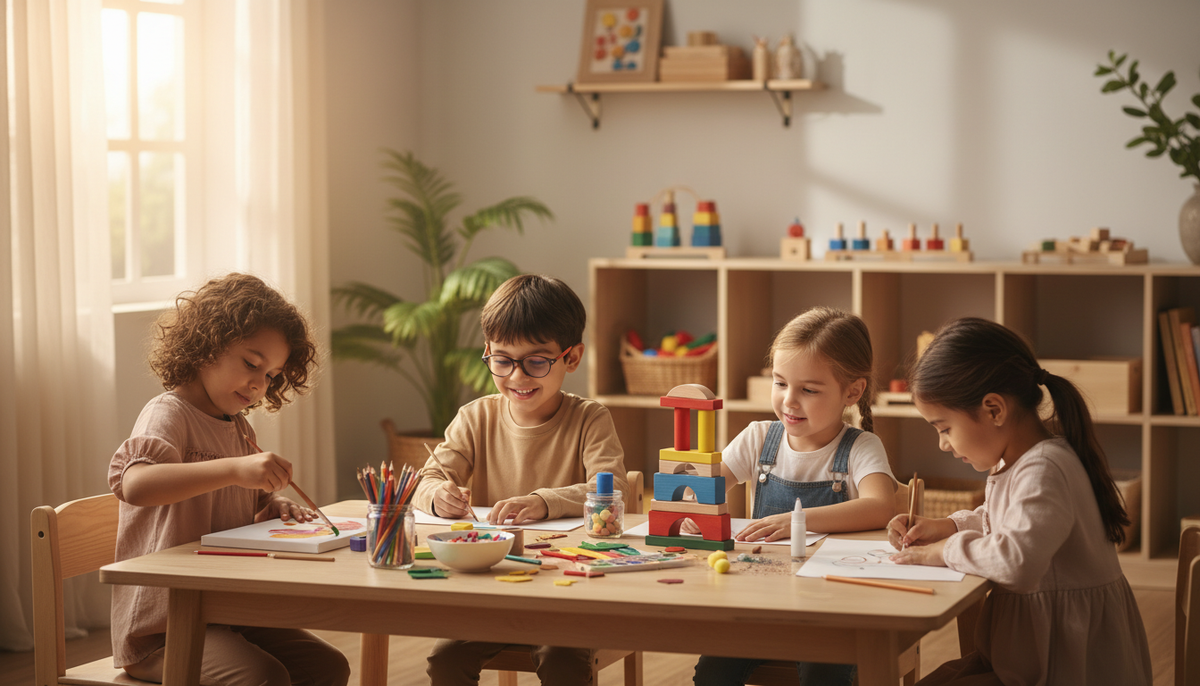
Remember that feeling as a child, lost in building a magnificent fort out of sofa cushions or transforming a cardboard box into a spaceship? That's creativity in full flight – a magical blend of imagination, problem-solving, and a little bit of daring. As parents and educators, we often wonder how we can keep that spark alive and help it grow in our little ones. It's not about turning every child into a famous artist or inventor, but about nurturing a flexible mind, a curious spirit, and the confidence to try new things.
Think of creativity not as a talent reserved for a few, but as a muscle. The more we use it, the stronger it gets! And the wonderful news is, you don't need fancy toys or expensive classes to encourage it. The best tools are often already at hand: everyday materials, open-ended questions, and a safe space to explore. Today, we're going to dive into eight practical, tried-and-true strategies that you can weave into your daily rhythm, whether you're at the kitchen table, on a rainy Saturday afternoon, or during classroom carpet time.
These ideas are designed to be easy to implement and genuinely fun for everyone involved. They focus on creating an environment where young children feel free to experiment, make mistakes, and discover their own unique ways of seeing the world. Let's get those creative gears turning!
Editorial illustration
Creativity is intelligence having fun.
Key takeaways
Offer open-ended materials, not just toys with one way to play.
Embrace messes as part of the creative process.
Ask 'what if?' questions to spark new ideas.
Give children unstructured time to explore and invent.
Let them lead their play, even if it seems 'silly'.
Celebrate effort and the process, not just the perfect outcome.
Model creative thinking yourself – kids learn by watching.
1. Provide Open-Ended Materials (Not Just Toys)
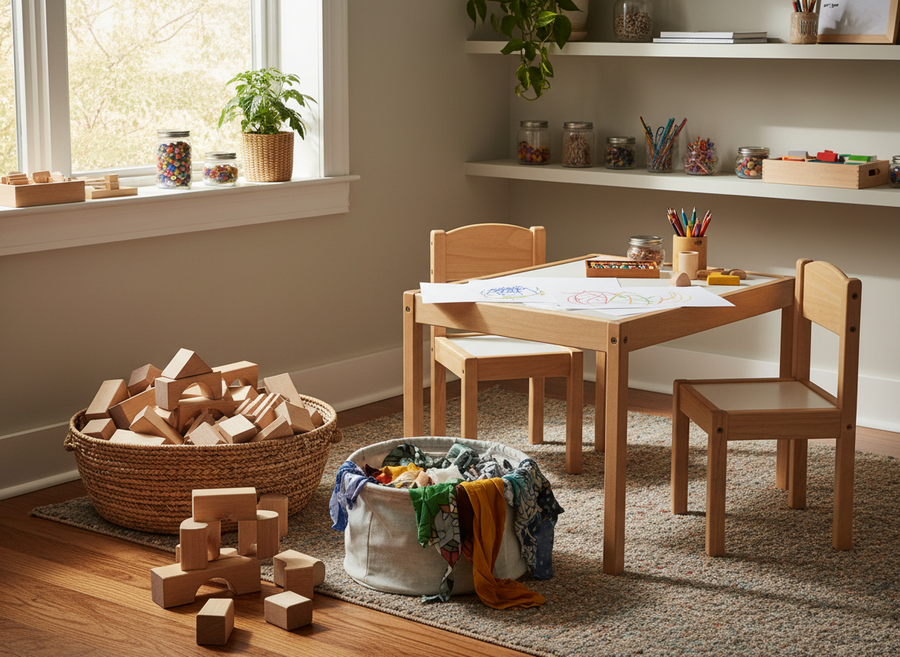
One of the simplest yet most powerful ways to encourage creativity in young children is to offer materials that don't have a single 'right' way to be used. Think about it: a toy car is for driving, but a pile of blocks can be a castle, a robot, or a tall tower reaching the sky. These are what we call open-ended materials, and they're gold for developing imaginations.
What to offer:
Building Blocks: Wooden blocks, LEGOs, magnetic tiles – anything that can be put together and taken apart in endless combinations.
Art Supplies: Crayons, washable markers, chunky paint, playdough, paper of different sizes and textures, pipe cleaners, googly eyes, cotton balls. Don't forget recycled items like cardboard tubes, bottle caps, and old fabric scraps!
Nature's Treasures: Pinecones, leaves, small stones, twigs. A basket of these can become anything from ingredients for a magic potion to pieces for a miniature landscape.
The key here is variety and accessibility. Keep these materials in easy-to-reach bins or shelves so your child can grab them whenever inspiration strikes. You'll be amazed at what they'll invent with just a few simple items.
Editorial illustration
2. Embrace the Mess (Within Reason!)
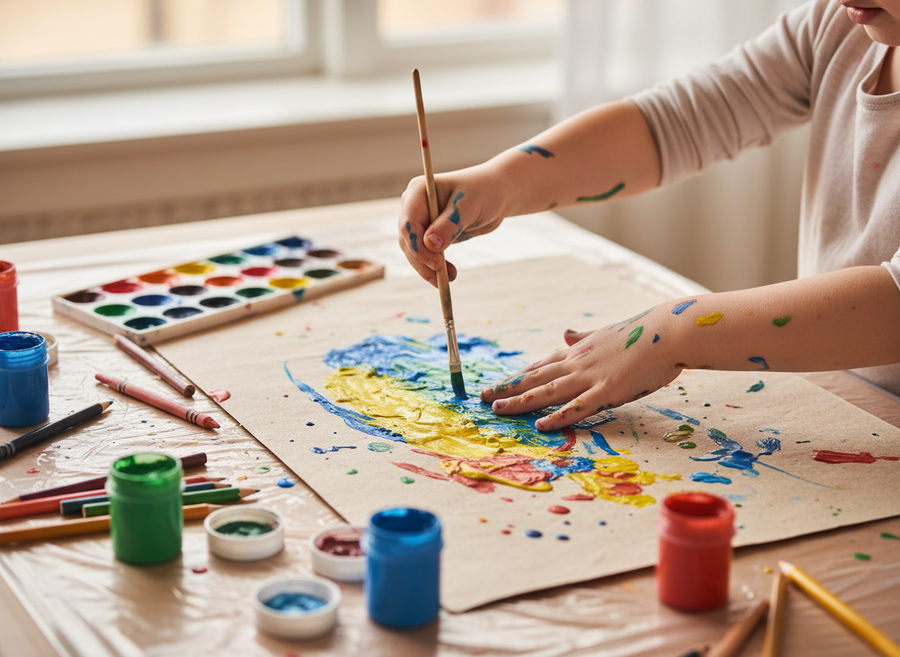
Creativity often isn't neat. A child deeply engaged in painting, gluing, or building might not be thinking about keeping their workspace tidy – and that's okay! As parents, our natural inclination might be to step in and try to control the chaos, but sometimes, a little mess is a sign of deep engagement and exploration.
Of course, this doesn't mean letting paint get on the sofa every time. It means setting up a space where mess is allowed and even encouraged. Lay down an old shower curtain or newspaper on the floor. Dress your child in old clothes. Have wipes and a damp cloth ready for easy clean-up. When kids aren't worried about making a mistake or getting something dirty, they're much more likely to fully immerse themselves in the creative process.
When you see a child covered in paint, don't just see the clean-up job. See the joy, the experimentation, and the learning happening. A simple phrase like, 'Wow, look at all the colours you're mixing!' can validate their messy journey.
Editorial illustration
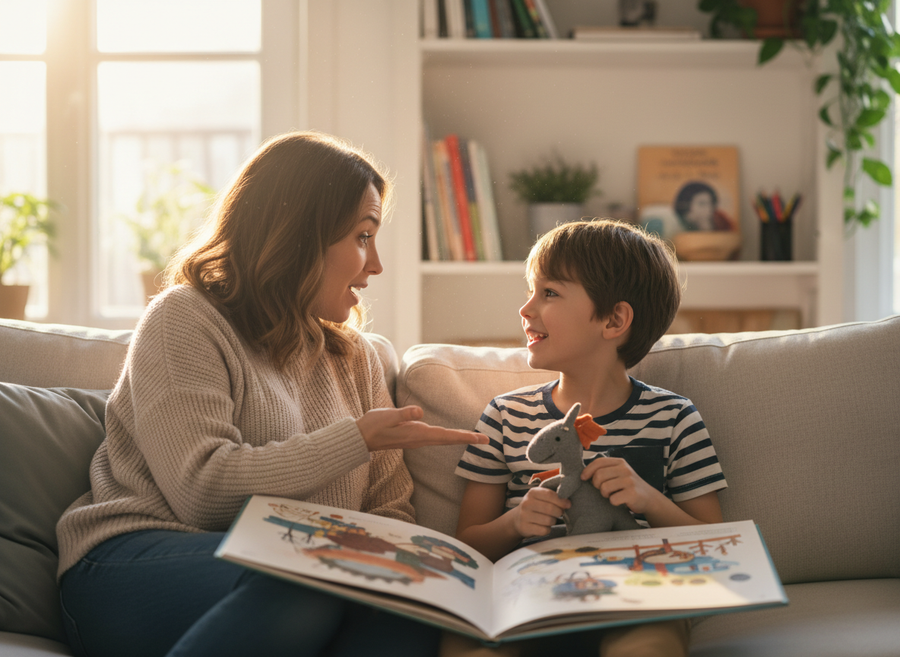
3. Ask Open-Ended Questions and Wonder Aloud
Instead of asking 'What is that?' when your child shows you a drawing (which can sometimes make them feel like their creation needs to be identifiable), try asking questions that invite them to elaborate and think more deeply. These are called open-ended questions because they don't have a simple 'yes' or 'no' answer.
Try these prompts:
'Tell me about your picture/building/game.'
'What's happening here?'
'What was your favourite part about making this?'
'If this character could talk, what would they say?'
'What might happen next?'
'I wonder what would happen if we added…?'
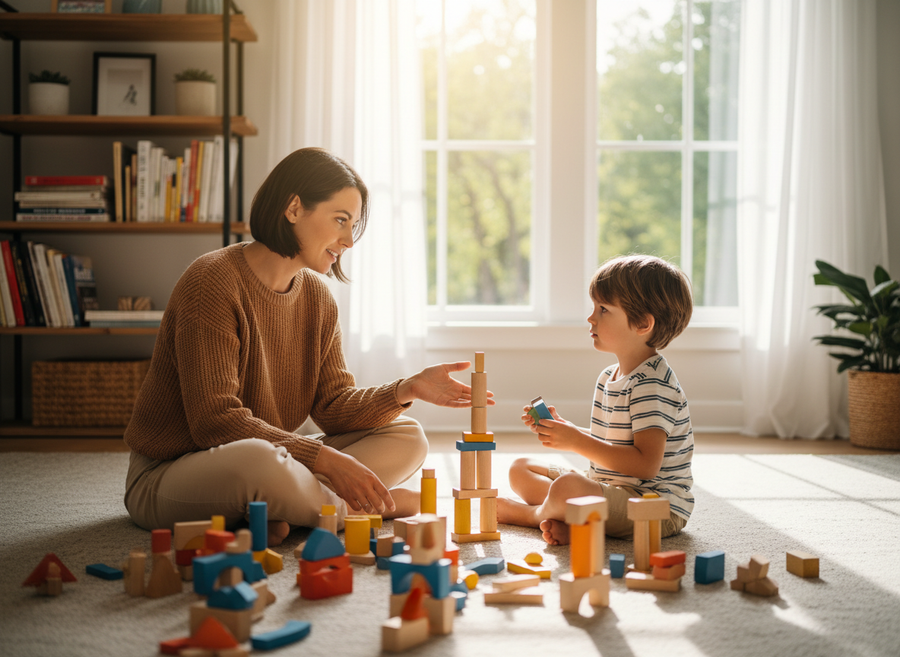
When you wonder aloud, you model curiosity. 'I wonder how these blocks would look if we stacked them sideways?' or 'I wonder what sound this instrument would make if we used a different stick?' This encourages them to think beyond the obvious and consider new possibilities. It shifts the focus from a 'right' answer to exploring ideas.
Editorial illustration
4. Prioritise Unstructured Play Time
In our busy lives, it's easy to fill every moment with structured activities: lessons, sports, scheduled playdates. While these have their place, children also desperately need time to just… play. Unstructured play, sometimes called 'free play,' is where kids get to decide what they want to do, how they want to do it, and for how long. There are no rules, no goals set by adults, and no specific outcome expected.
This is where the magic of creativity truly blossoms. During unstructured play, children are the directors of their own adventures. They invent games, create imaginary worlds, solve their own problems (like how to make a blanket fort stand up), and experiment without fear of judgment. It's during these moments that they learn to be resourceful, flexible, and imaginative. Resist the urge to jump in and direct their play. Sometimes, the best thing we can do is simply observe, or be available if they invite us into their world on their terms.
5. Let Them Lead (Even if it Seems 'Silly')
Children's imaginations can take them to wonderful, sometimes completely illogical, places. Your child might insist that the spoon is a magic wand, or that the cat is actually a secret agent. Instead of correcting them or trying to bring them back to 'reality,' lean into their ideas. Play along!
When you join in their imaginative play, you're sending a powerful message: 'Your ideas are valuable. Your world is interesting.' This builds their confidence and encourages them to explore even wilder concepts. It's not about indulging every whim, but about respecting their inner world. If they want to wear their wellies on a sunny day because they're 'moon boots,' let them! If they want to build a house for their stuffed animal out of socks, cheer them on.
This also extends to their creative projects. If they draw a blue sun, don't say, 'Suns are yellow.' Instead, ask, 'Tell me about your blue sun!' You'll often find a wonderfully creative story behind their choices.
6. Celebrate Effort and the Process, Not Just the Product
It's natural to want to praise a beautiful drawing or a perfectly constructed tower. And it's fine to do so! But to truly foster creativity, we need to shift some of our focus to the effort, the thinking, and the journey our child took to get there. If we only praise the 'perfect' outcome, children might become afraid to try new things or make mistakes, worrying their end product won't be good enough.
Praise the process:
'You worked so hard on that!'
'I love how you tried so many different colours.'
'You kept trying until you figured out how to make that stick!'
'It looks like you had so much fun building this.'
'You used your imagination to think of so many ways to use that box.'
When children understand that the joy is in the doing, experimenting, and exploring, they'll be more resilient and adventurous in their creative pursuits. The 'masterpiece' might end up in the recycling bin, but the learning and joy from creating it will stay with them.
7. Model Creative Thinking Yourself
Children are incredible observers. They watch what we do and how we approach challenges. If they see us being creative, problem-solving, and trying new things, they're much more likely to do the same. You don't have to be an artist or a musician to model creativity.
This could look like: 'Hmm, this cupboard door is squeaky. I wonder if we could put a little bit of oil on it to make it quiet?' Or, 'Oh no, we're out of milk for our cookies! What else could we use instead?' It's about showing them that there's more than one way to solve a problem or approach a situation. Involve them in your creative thinking: 'We need a birthday card for Grandma. How can we make it extra special and unique?'
Share your own creative hobbies, no matter how small. If you enjoy gardening, knitting, cooking, or even just doodling, let your child see you engaged in these activities. Talk about what you're doing and why you enjoy it. Your enthusiasm is contagious!
8. Make Time for Storytelling and Imaginative Play
Stories are a fantastic gateway to imagination. Reading books together is wonderful, but also make time for creating your own stories. You can start a story and have your child add the next sentence, or take turns creating characters and adventures. There are no right or wrong answers, just endless possibilities.
Imaginative play doesn't always need props, either. Sometimes, the best games happen with just words and ideas. 'Let's pretend we're on a desert island!' or 'Imagine you're a tiny mouse exploring a giant house.' These simple prompts can spark hours of creative play. Encourage role-playing with dress-up clothes (or just regular clothes used in new ways!). These activities help children develop narrative skills, empathy, and the ability to think abstractly – all crucial components of creativity.
Remember, it's not about being perfect or having a grand plan. It's about providing opportunities and a supportive environment where your child feels safe to explore, dream, and create their own wonderful world.
Nurturing creativity in young children is one of the most rewarding parts of parenting and teaching. It's about more than just art; it's about fostering flexible thinkers, resilient problem-solvers, and individuals who aren't afraid to imagine a better way. By offering simple materials, asking thoughtful questions, and giving them space to explore, you're building a foundation for a lifetime of curiosity and innovation.
So, go ahead and embrace the mess, celebrate the process, and get ready to be amazed by the incredible ideas bubbling up from those brilliant young minds! And for a wonderful, low-prep way to spark imagination, don't forget to explore our huge collection of free colouring pages. They're perfect for encouraging focus, colour exploration, and quiet creative time. You can colour online or print the PNGs right from our site!
Looking for Free Printable Coloring Sheets?
Explore thousands of free printable pages ready for home or classroom learning.