Screen Time vs. Coloring Time: What Pediatricians Really Say

Ah, the great screen time debate! It's a conversation happening in nearly every home with kids today, isn't it? From toddlers mesmerized by tablets to tweens glued to their gaming consoles, screens are a huge part of our children's world. And it's natural for us as parents and educators to wonder: how much is too much? What's actually good for them? And where does something as wonderfully simple as a colouring page fit into all of this?
You might have heard a lot of different opinions, from well-meaning friends to headlines that sound a bit scary. But what do the experts — the pediatricians who spend their careers studying children's health and development — actually recommend? We're going to unpack their guidance, not to make you feel guilty, but to empower you with practical, balanced approaches. We'll look at the 'whys' behind their advice, and then explore how bringing more creative, hands-on activities like colouring into your daily routine can make a real difference.
It's not about banning screens entirely; that's just not realistic for most families. It's about finding a healthy balance, understanding the impact of different activities, and making informed choices that support our children's growing brains and bodies. So, let's dive in and see what the doctors have to say about screen time versus the colourful, calming world of crayons and paper.

Editorial illustration
Balance isn't about doing less of one thing, but more of what truly nourishes a child's development.
Key takeaways
Pediatricians recommend specific screen time limits based on age, emphasizing quality over quantity.
Excessive screen time can impact sleep, attention, and social-emotional development.
Coloring offers unique benefits like fine motor skill development, focus, and emotional expression.
Creating 'green zones' for screen-free activities, especially before bedtime, is crucial.
Involve children in setting screen time rules and finding engaging alternatives.
Model healthy screen habits yourself; kids learn best by watching us.
Remember, it's about balance and connection, not perfection.
Understanding the Pediatricians' Guidelines on Screen Time
Let's start with the official word. Major pediatric organizations around the world, like the American Academy of Pediatrics (AAP), offer clear guidelines on screen time. These aren't just arbitrary numbers; they're based on years of research into child development, brain growth, and the impact of digital media.
For children under 18 months, the recommendation is generally no screen time, except for video-chatting with family. Think about it: a baby's brain is rapidly developing, and face-to-face interaction is absolutely crucial for language acquisition and forming secure attachments. A screen simply can't replicate that.
For toddlers aged 18 to 24 months, if screens are introduced, it should be high-quality, educational programming, and parents should watch along with their child. This co-viewing is key because you can talk about what's happening, explain new words, and help them understand the content. It turns a passive experience into an interactive one.
For preschoolers, ages 2 to 5 years, the advice is typically no more than one hour per day of high-quality programming. Again, co-viewing is highly encouraged. This age group is developing their imagination, social skills, and problem-solving abilities, all of which benefit immensely from hands-on play and interaction with the real world.
And for school-aged children, 6 and older? That's where it gets a little more nuanced. Pediatricians suggest consistent limits on the time spent using media, and ensuring that screen time doesn't replace adequate sleep, physical activity, family meals, or other essential health behaviors. It's less about a strict hourly limit and more about how screens fit into the overall healthy rhythm of a child's day.
Under 18 months: No screen time (except video-chatting).
18-24 months: Very limited, high-quality content, co-viewed with a parent.
2-5 years: Max 1 hour/day of high-quality content, co-viewed.
6+ years: Consistent limits, ensuring balance with sleep, activity, and real-world interactions.
Editorial illustration
The 'Why' Behind the Limits: What Screens Can Impact
So, why are these guidelines in place? It's not because screens are inherently evil, but because overuse, especially at certain developmental stages, can have some significant impacts. Pediatricians are concerned about several key areas:
Sleep Patterns
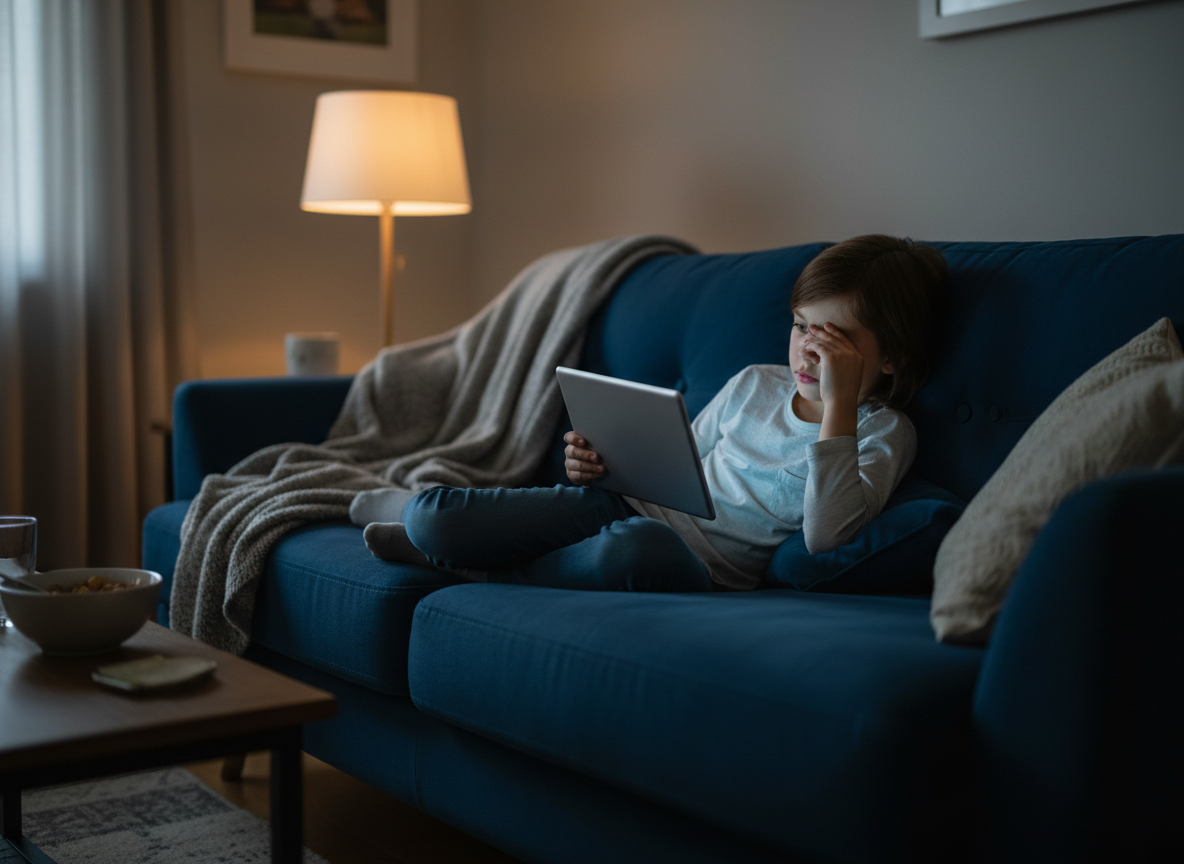
The blue light emitted from screens can interfere with melatonin production, the hormone that helps us sleep. A child who's been watching a tablet right before bed might find it harder to fall asleep and have less restful sleep. This can lead to tiredness, irritability, and difficulty concentrating the next day.
Attention and Focus
Fast-paced, highly stimulating content can sometimes make it harder for children to focus on slower, real-world tasks. Think about the difference between a quick-cut cartoon and building a tower with blocks. One offers instant gratification and constant novelty, while the other requires sustained effort and patience. Developing that patience is crucial for learning.
Social-Emotional Development
Kids learn about emotions, social cues, and empathy through face-to-face interactions. When a child spends a lot of time with screens, they miss out on some of those vital opportunities to practice navigating friendships, understanding body language, and expressing their own feelings in a nuanced way.
Physical Activity
Simply put, if kids are on a screen, they're usually sitting still. This reduces time for active play, which is essential for physical health, coordination, and even brain development. Running, jumping, climbing – these aren't just fun; they're fundamental to growing up healthy.
It's not about fear-mongering, but about understanding that every minute spent on a screen is a minute not spent doing something else. And those 'something elses' are often critical for a child's holistic development.

Editorial illustration
The Colourful Counterpart: Why Coloring Shines
Now, let's talk about the wonderful world of coloring. While screens offer a different kind of engagement, coloring provides a unique set of benefits that are incredibly valuable for growing children. These are the kinds of activities pediatricians implicitly encourage when they talk about balanced play and real-world interaction.
Fine Motor Skill Development
Holding a crayon or a pencil, learning to control pressure, staying within the lines (or purposefully going outside them!) – these actions are fantastic for developing fine motor skills. These are the tiny muscle movements in the hands and fingers that are essential for writing, buttoning clothes, and using utensils. It's practical, hands-on learning that strengthens those little muscles.
Focus and Concentration
In a world of constant digital stimulation, coloring offers a chance to slow down and focus on one task. It encourages sustained attention, which is a building block for academic success. When a child is absorbed in choosing colors and carefully filling a space, they're practicing a quiet, mindful kind of concentration.
Creativity and Self-Expression
There's no right or wrong way to color a picture. A tree can be purple, a sky can be orange! This freedom allows children to express their creativity, make choices, and develop their unique artistic voice. It's a safe space for imagination to flourish, where they can experiment without judgment.
Emotional Regulation and Calm
Coloring can be incredibly calming. It's a repetitive, soothing activity that can help children process emotions, reduce anxiety, and simply unwind. After a busy day at school or a particularly energetic play session, a quiet moment with crayons can be just what a child needs to regulate their feelings and find a sense of peace. It's a wonderful tool for self-soothing.

Editorial illustration
Practical Strategies for a Healthy Balance
So, how do we put all this into practice? Here are some simple, actionable strategies you can try at home or in the classroom to create a healthier balance between screen time and enriching activities like coloring.
Create 'Green Zones' and 'Red Zones': Designate certain times or places as screen-free. For example, the dining table is always a 'green zone' (no screens). Bedrooms might be 'red zones' for screens, especially before bedtime.
Set Clear Time Limits: Work with your child to decide on daily or weekly screen time limits. For younger children, a visual timer can be very helpful. For older kids, involve them in setting the rules, so they feel a sense of ownership.
Offer Engaging Alternatives: Don't just take away the screen without offering something else. Have a basket of coloring pages, art supplies, building blocks, or books readily available. Suggest an activity, or even better, join in!
Model Healthy Habits: Kids are always watching us. If we're constantly on our phones, they'll learn that screens are the priority. Try to put your own devices away during family time, meals, and when interacting with your children.
Prioritize Outdoor Play: Make sure there's plenty of time for running, jumping, and exploring outdoors. This is crucial for physical health, vitamin D, and sensory development.
Make Screen Time Intentional: When screens are used, try to make them purposeful. Is it an educational show? A video call with grandparents? Or a family movie night? Avoid mindless scrolling or passive viewing.
It's not about being perfect, but about being mindful. Every small step towards balance makes a difference.
Turning Screen Time into 'Green Time' with Coloring
One of the easiest and most effective ways to shift from screen time to 'green time' (meaning enriching, growth-promoting activities) is to embrace the simple joy of coloring. You don't need fancy equipment or a lot of space. All you need are some crayons, markers, or colored pencils, and a stack of interesting pages.
Think about a rainy Saturday morning. Instead of automatically reaching for the tablet, suggest a 'coloring challenge.' Maybe everyone colors the same picture, but with different color schemes. Or you could put on some calm music and have a quiet coloring session together. These shared moments build connection and create positive associations with creative play.
Ideas for Incorporating Coloring:
After-School Wind-Down: A perfect way to decompress after a busy school day.
Before-Bed Calm-Down: A screen-free activity that signals to the brain it's time to relax.
Travel Buddy: Pack a small coloring book and crayons for car rides or waiting rooms.
Creative Breaks: During homework sessions, a quick coloring break can refresh the mind.
Family Coloring Night: Turn it into a fun family activity, with everyone coloring their own page.
The beauty of coloring is its accessibility. It's low-cost, low-prep, and offers immediate gratification. Plus, you get a lovely piece of art at the end!
When to Seek Further Guidance
While these guidelines and strategies are generally helpful, every child and family is unique. If you have specific concerns about your child's screen use, development, or overall well-being, please don't hesitate to speak with your pediatrician. They are your best resource for personalized advice and can offer tailored support based on your child's individual needs and any underlying factors.
Sometimes, what seems like a screen time issue might be connected to other things, like anxiety, learning differences, or social challenges. A pediatrician can help you sort through these possibilities and guide you to appropriate resources or specialists if needed. They're part of your team, helping you raise healthy, happy kids.
Navigating the digital age with children can feel like a constant balancing act. But by understanding the pediatricians' advice, recognizing the unique benefits of activities like coloring, and implementing practical strategies, we can create a home environment that truly supports our children's holistic development. It's about being present, offering choices, and remembering that some of the greatest learning happens away from a screen, with a crayon in hand.
Ready to try some 'green time' today? We have hundreds of free coloring pages for every age and interest, perfect for printing out and bringing to life with color. Or, if you're on the go, you can even color them online right here on our site!
Looking for Free Printable Coloring Sheets?
Explore thousands of free printable pages ready for home or classroom learning.