Coloring Pages for Kids: Your Guide to Creative Fun
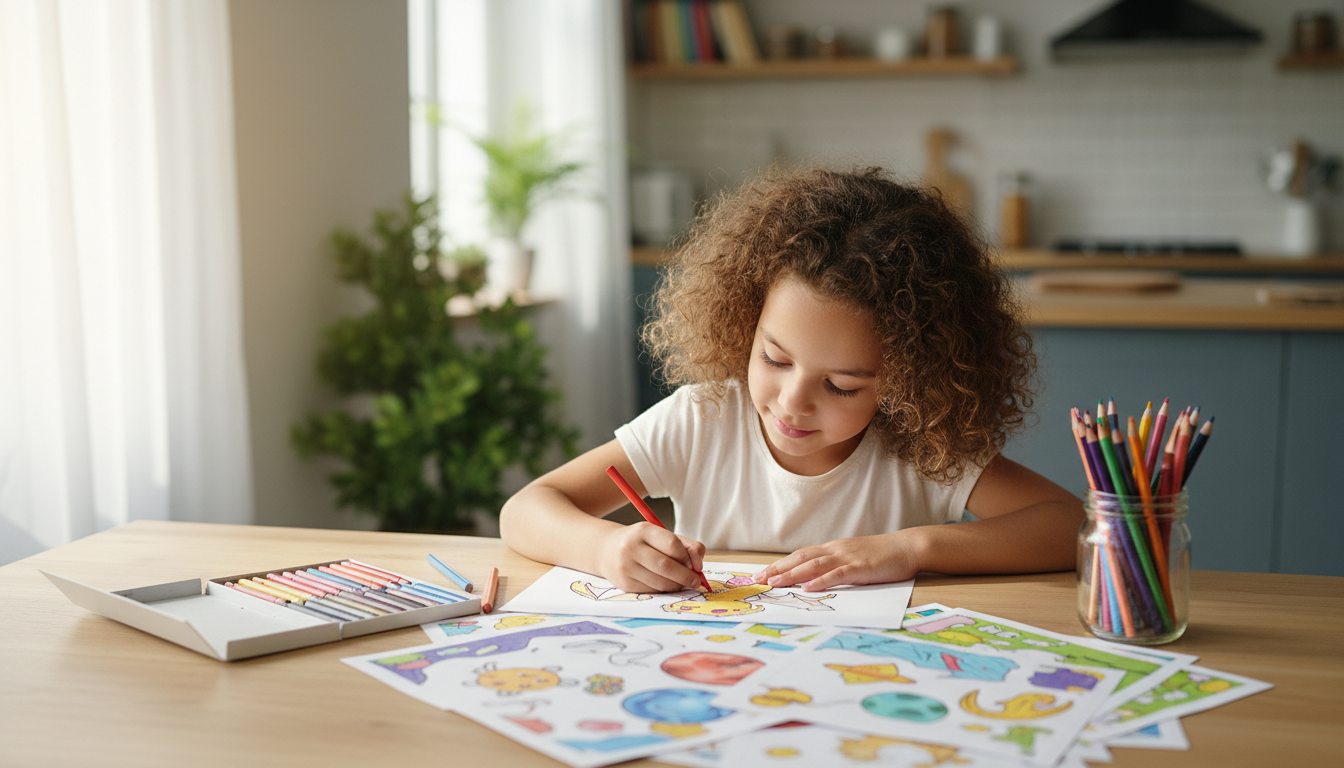
Remember that feeling of a fresh box of crayons and a brand-new coloring book? The crisp white pages just waiting for a splash of color? For most of us, those memories are tied to childhood joy, and it’s no different for our kids today. Coloring pages, far from being just a simple pastime, are actually little powerhouses of development, creativity, and quiet contemplation for children.
As parents and educators, we're always on the lookout for activities that are both fun and beneficial. And coloring? It ticks so many boxes. It’s accessible, doesn’t require a lot of fancy equipment, and can be adapted for almost any age or interest. Whether it’s a rainy Saturday afternoon, a quiet moment before dinner, or a valuable classroom station, coloring pages offer a wonderful opportunity for kids to express themselves and learn.
This guide is here to help you make the most of coloring pages with your children. We’ll explore why they’re so good for kids, how to pick the perfect ones, and creative ways to turn a simple coloring session into something truly special. You’ll find practical tips, fresh ideas, and maybe even a little inspiration to pick up a crayon yourself!
Editorial illustration
Coloring isn't just filling in lines; it's filling up a child's world with imagination, focus, and a quiet sense of accomplishment.
Key takeaways
Coloring pages boost fine motor skills and hand-eye coordination.
They encourage creativity and self-expression without pressure.
Coloring can be a calming, mindful activity for children.
It helps develop focus and concentration.
Choosing age-appropriate and interesting themes keeps kids engaged.
Beyond crayons, explore various tools and techniques for added fun.
Coloring can be a wonderful family or classroom bonding activity.
More Than Just Fun: The Hidden Benefits of Coloring
It’s easy to see coloring as just a way to keep kids busy, but there’s so much more happening beneath the surface. When your little one is intently focused on staying within the lines of a superhero cape or carefully blending shades on a unicorn’s mane, they’re actually engaging in a whole host of developmental exercises.
First off, think about those tiny hand muscles. Grasping a crayon, applying just the right amount of pressure, and guiding it across the page – these actions are fantastic for developing fine motor skills. These are the small, precise movements needed for everything from writing and tying shoelaces to using cutlery. The more they practice, the stronger and more coordinated those muscles become.
Then there’s the incredible boost to hand-eye coordination. Their eyes are tracking the lines, and their hands are responding, working together in a smooth, integrated way. This skill is crucial for sports, reading, and countless everyday tasks. Plus, the act of choosing colors and deciding where to place them encourages decision-making and problem-solving, even at a very basic level.
Beyond the physical, coloring also nurtures a child's cognitive and emotional growth. It helps them practice focus and concentration, especially important in a world full of distractions. And let's not forget the emotional outlet it provides. It’s a safe space for self-expression, where there’s no right or wrong answer, just pure creativity. Some kids even use coloring as a way to process their feelings, turning a blank page into a canvas for their inner world.
Editorial illustration
Choosing the Right Coloring Pages for Every Age
Just like books or toys, coloring pages aren't one-size-fits-all. What excites a toddler might bore a school-aged child, and what challenges an older kid might frustrate a preschooler. Picking the right kind of coloring page is key to keeping them engaged and making the activity truly beneficial.
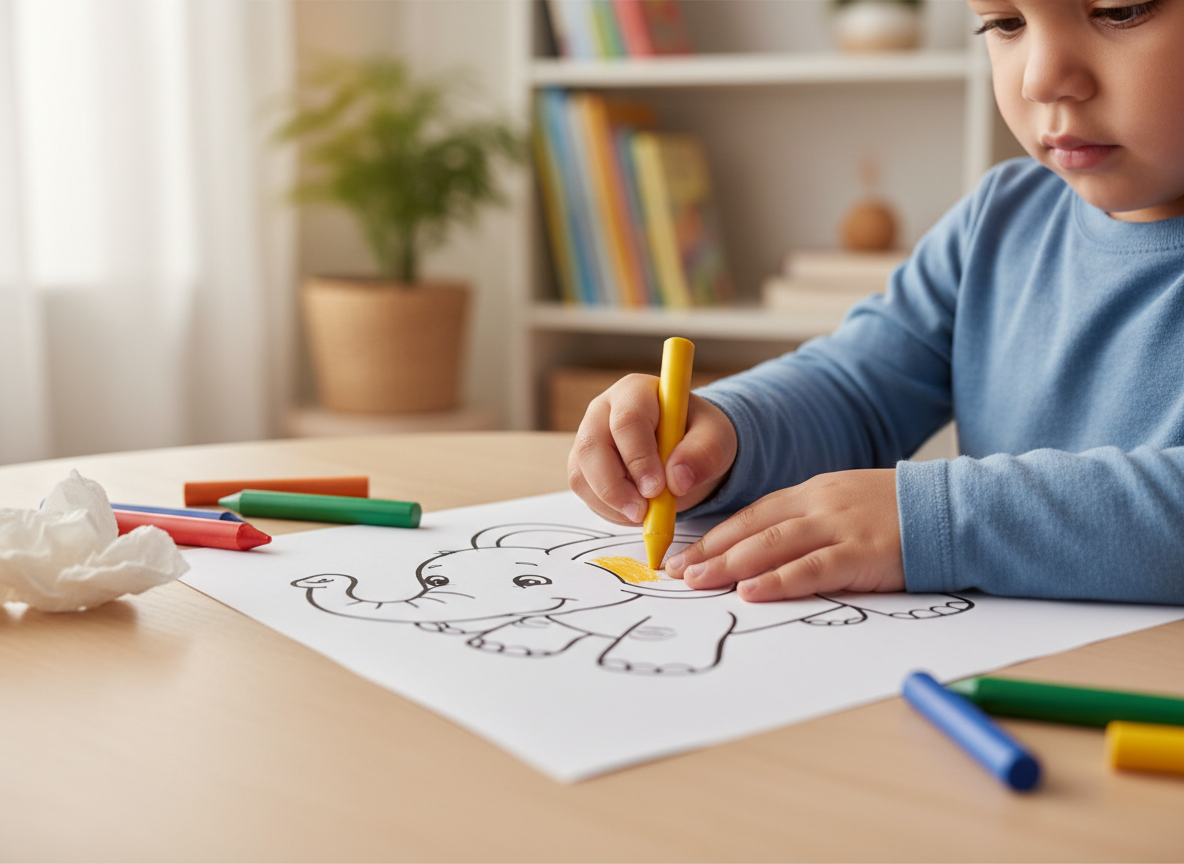
For our littlest artists, toddlers and preschoolers (ages 2-4), look for pages with large, simple shapes and thick outlines. Think big animals, simple vehicles, or chunky fruits. These allow for broad strokes and don't require too much precision, which can be tough for developing fine motor skills. The goal here is exploration and developing a basic understanding of color and form, not perfection. Pages with a few elements spread out work really well.
As kids move into early school years (ages 5-7), they're ready for a bit more detail. Characters from their favorite stories, more complex animals, or scenes with a few different objects are perfect. They're starting to gain better control over their crayons and might enjoy trying to stay within the lines more consistently. This is also a great age to introduce pages that tell a simple story or have a theme they can relate to, like a day at the park or a space adventure.
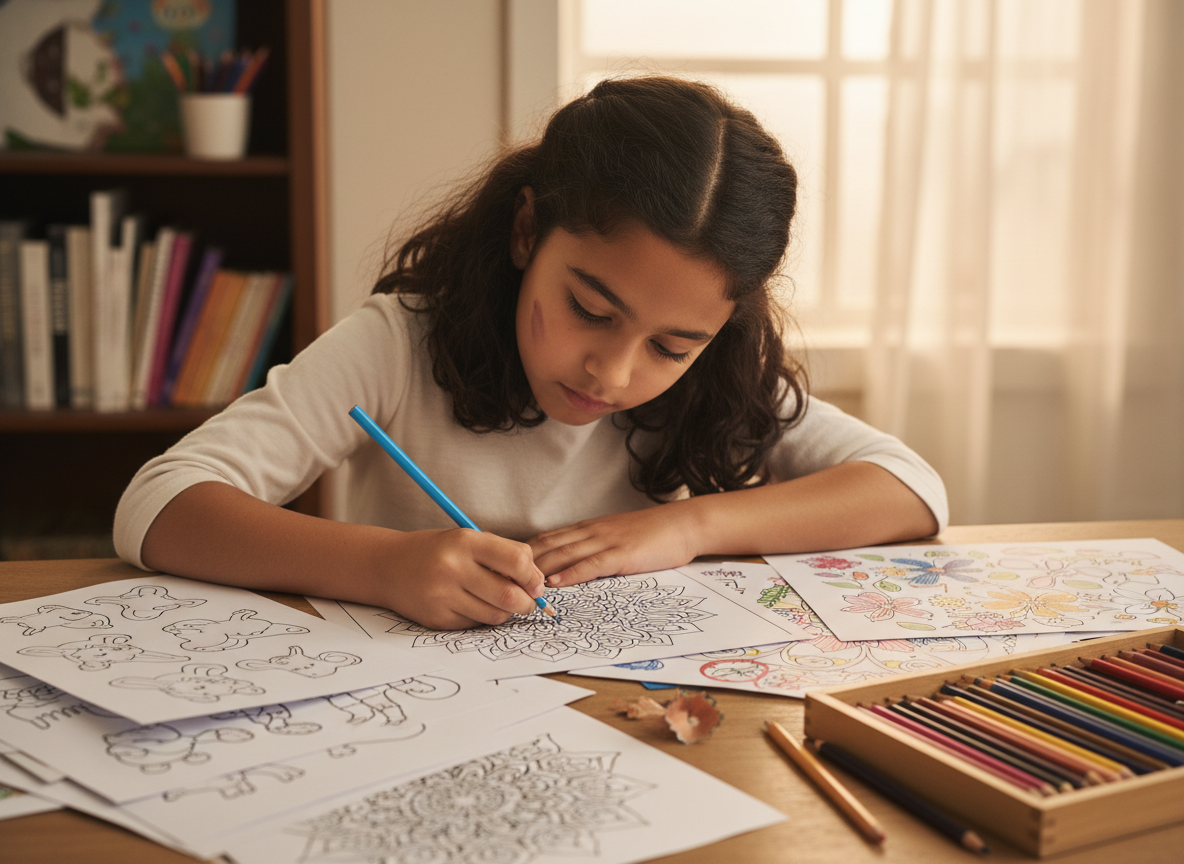
For older children (ages 8-10+), the world of coloring pages really opens up. Detailed mandalas, intricate nature scenes, complex characters, or even educational pages like maps or historical figures can be incredibly engaging. They can handle smaller spaces and might enjoy experimenting with shading, blending, and more nuanced color choices. Don’t shy away from challenging them a little; it helps build their persistence and attention to detail.
Editorial illustration
Beyond Crayons: Tools and Techniques to Explore
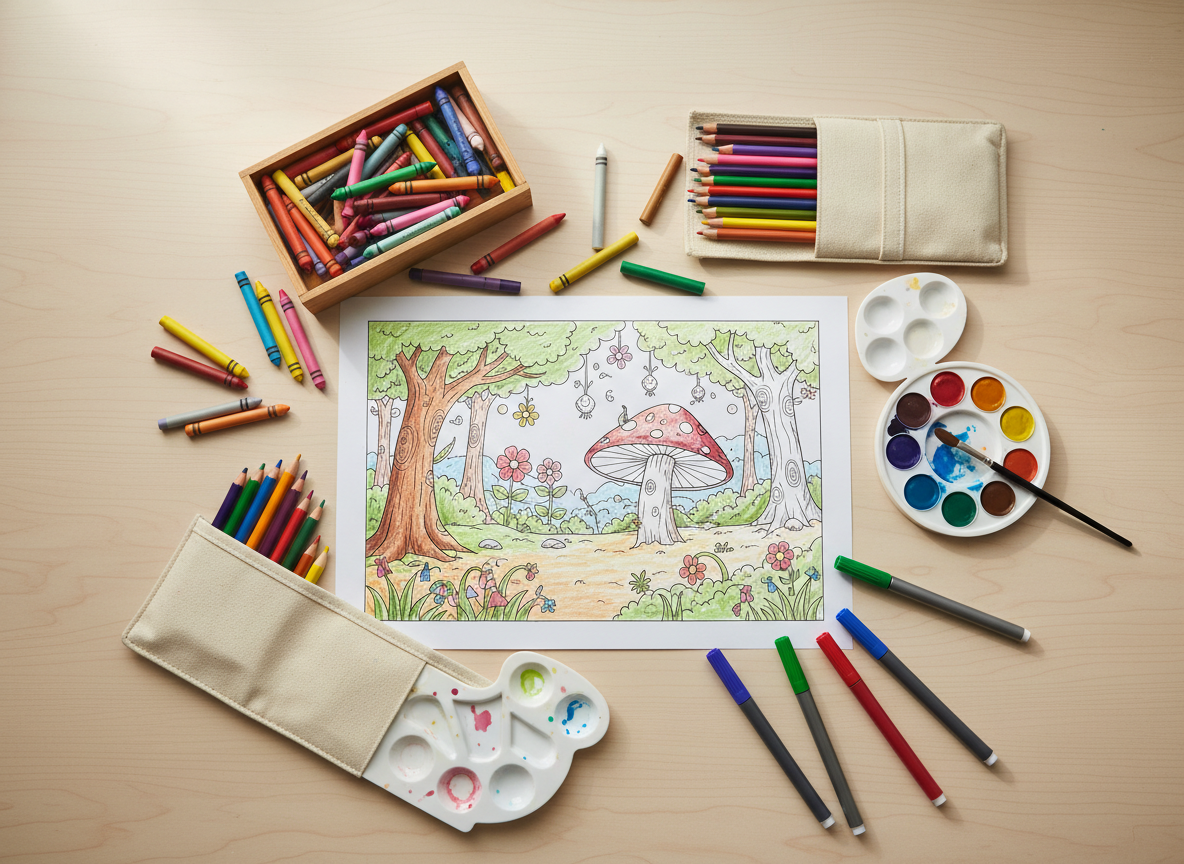
While crayons are the classic choice, don't limit your child's coloring experience to just wax sticks! Introducing different art supplies can reignite interest and open up new avenues for creative expression. Each tool offers a unique feel and produces a different effect, which can be wonderfully exciting for kids.
Colored Pencils: These offer more precision and control than crayons, making them great for finer details and blending. Kids can experiment with light and heavy pressure to create different shades. They're also fantastic for older children tackling more intricate designs.
Washable Markers: Bright, bold, and smooth, markers are a favourite for many kids. They glide easily across the page and produce vibrant colors. Just be sure to opt for washable varieties to protect your furniture and clothes! Encourage kids to try pointillism (dots) or cross-hatching with markers.
Pastels (Oil or Chalk): These can be a bit messier but offer incredible blending capabilities. Oil pastels are creamy and vibrant, while chalk pastels are softer and great for smudging and creating soft effects. Supervise younger kids with these, and maybe lay down some newspaper!
Watercolors: For a completely different experience, try light watercolor paints. Print out pages on slightly thicker paper if you can. Kids can learn about transparency and how colors mix on the page. It's a wonderful way to introduce painting without the pressure of a blank canvas.
And it's not just about the tools themselves. Encourage different techniques too! Instead of just filling in, suggest hatching, stippling (making tiny dots), or creating patterns within sections. Talk about warm and cool colors, or how different colors make them feel. These conversations turn a simple activity into a rich learning experience.
Editorial illustration
Creative Ways to Use Coloring Pages for Learning & Play
Coloring pages don't have to be a solitary, silent activity. They can be springboards for conversations, learning opportunities, and even collaborative projects. Think of them as open-ended prompts, ready for your child’s imagination to take over.
Storytelling & Imagination
After a page is colored, ask your child to tell you a story about it. Who are the characters? What are they doing? What happens next? A picture of a colored dragon can become the star of an epic adventure, or a simple house can be the setting for a family tale. This boosts their narrative skills and verbal expression. You could even have them draw a background or add speech bubbles to their colored page.
Educational Reinforcement
Many coloring pages are themed around educational topics – animals, letters, numbers, planets, historical figures, or different cultures. Use these as a gentle way to reinforce learning. While coloring an alphabet letter, practice its sound. When coloring an animal, talk about its habitat or what it eats. It makes learning feel less like work and more like play.
Decorations & Gifts
Once completed, a colored page can be proudly displayed! Frame it, stick it on the fridge, or turn it into a greeting card for a grandparent. This gives kids a sense of accomplishment and shows them that their artistic efforts are valued. You can even cut out colored elements and glue them onto construction paper to create a collage or a scene.
Collaborative Art
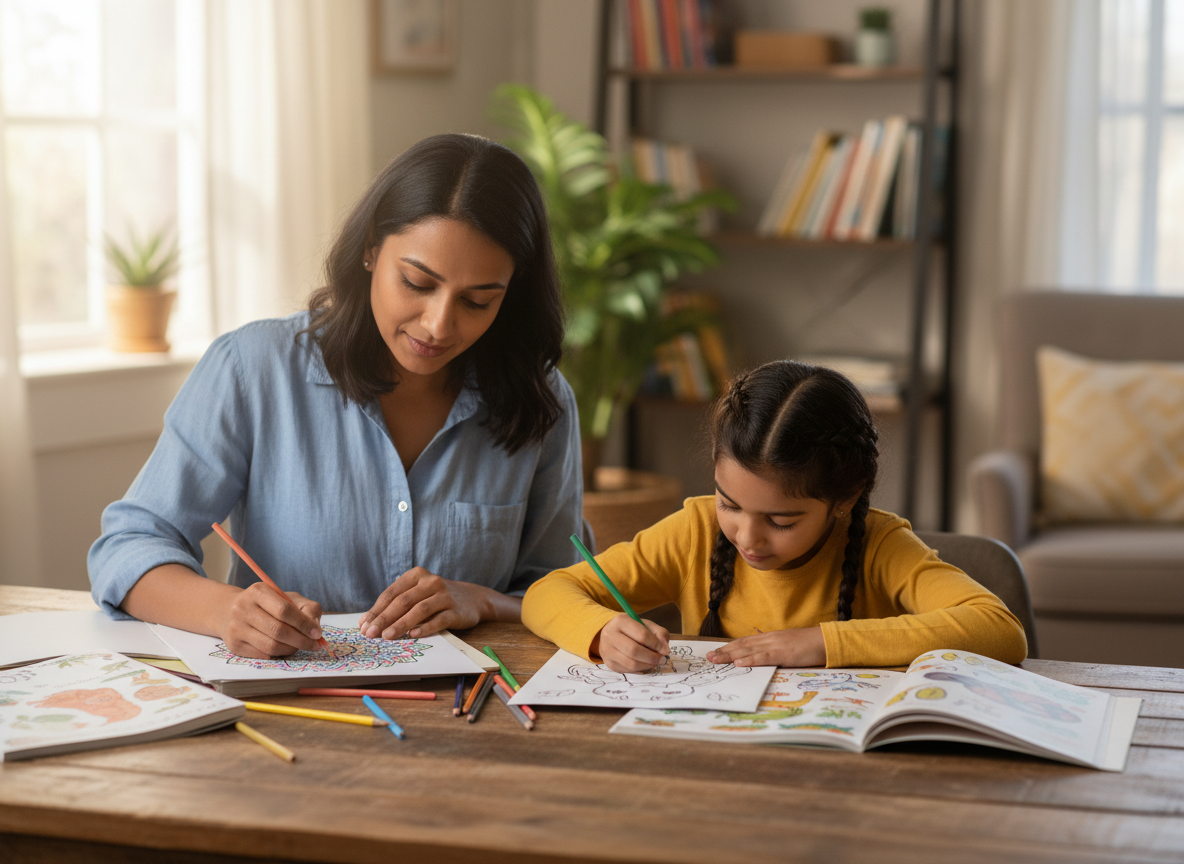
Why not color together? Grab a page with multiple elements and each take a section, or work on separate pages with a shared theme. This models cooperation and allows for shared creative time. For siblings, it can be a great way to bond over a quiet activity. In a classroom, children can contribute to a large mural made from many individual colored pages.
Setting Up Your Coloring Station: Tips for Parents & Teachers
A well-organised coloring space can make a huge difference in how often and how enthusiastically your child engages with coloring. It doesn't need to be fancy, just functional and inviting. Whether it's a corner of the kitchen table or a dedicated art area in a classroom, a little thought goes a long way.
Easy Access to Supplies: Keep crayons, pencils, and markers in clearly labeled containers or caddies. If kids can easily see and grab what they need, they’re more likely to start coloring independently. A simple pencil case, a small bucket, or even an old mug can work wonders.
A Flat, Protected Surface: Ensure they have a steady surface to work on. If you're worried about marks, a placemat, a piece of old cardboard, or even a newspaper spread can protect your table. For younger children, consider a low table where they can sit comfortably.
Good Lighting: Natural light is always best, but if that’s not possible, make sure the area is well-lit to prevent eye strain. A desk lamp can be a great addition for evening coloring sessions.
Plenty of Pages: Have a selection of coloring pages readily available. A folder or a small basket filled with different themes and styles will allow your child to choose what inspires them at that moment. This autonomy can boost their engagement.
Comfortable Seating: A comfortable chair that allows them to sit upright and reach the table easily is important for posture and sustained attention.
Clean-up Tools: Keep a small dustpan and brush (for pencil shavings) or a wet wipe nearby for easy clean-up. Teaching kids to tidy up after themselves is an important part of the creative process.
For teachers, creating a dedicated 'Creative Corner' with a variety of pages and tools can be a fantastic resource during free play, quiet time, or as an early finisher activity. Rotate the themes regularly to keep things fresh and exciting!
Making Coloring a Mindful Moment for Kids
In our busy, often overstimulated world, finding moments of quiet focus for our children is more important than ever. Coloring, with its repetitive motions and gentle demands, is actually a fantastic tool for encouraging mindfulness – the practice of being fully present in the moment.
Think about it: when a child is engrossed in coloring, they’re not thinking about what happened at school earlier or what they’ll have for dinner. Their attention is on the color in their hand, the lines on the page, and the emerging picture. This single-minded focus is a powerful antidote to anxiety and restlessness.
Start with a Deep Breath: Before they begin, invite your child to take a few slow, deep breaths. You can say something like, "Let's take a big sniff like we're smelling a flower, and then blow it out gently like we're cooling soup." This signals a shift into a calm activity.
Focus on the Senses: Encourage them to notice the feeling of the crayon on the paper, the sound it makes, and the different colors they are using. "What color are you choosing for the sky? How does it feel when you press harder?"
No Pressure for Perfection: Emphasize that there's no 'right' way to color. The goal isn't a perfect picture, but the enjoyment of the process. Remind them that it's okay to go outside the lines, or to choose unexpected colors. This removes performance anxiety.
Quiet Time Together: If you're coloring with them, do so quietly. You don't need constant conversation. Just sharing the peaceful space can be a powerful bonding experience and model mindful behavior.
Regular Practice: Like any skill, mindfulness improves with practice. Try to incorporate short coloring sessions into your child's routine – perhaps for ten minutes after school, or as a calming activity before bedtime. Consistency helps them learn to access that peaceful state more easily.
By framing coloring as a mindful activity, you're not just offering them a fun pastime; you're equipping them with a valuable tool for emotional regulation and self-soothing that they can carry with them for life.
So, there you have it! Coloring pages are truly versatile tools for nurturing creativity, boosting development, and providing those much-needed moments of calm in a child's day. They're an invitation to explore, to imagine, and to simply be present.
Next time you're looking for a simple, engaging activity for your child, remember the humble coloring page. We've got a wonderful collection of free printable coloring pages right here at KidsColouringPage.com, ready to spark your child's imagination. You can print them out for a classic experience or even colour online directly from your browser. Happy colouring!
Looking for Free Printable Coloring Sheets?
Explore thousands of free printable pages ready for home or classroom learning.