
Alligator vs. Crocodile: Unraveling the Mystery of These Ancient Reptiles at a Glance
Topic Focus
Alligator vs. Crocodile: Unraveling the Mystery of These Ancient Reptiles
Learning Level
Ages 4–10 (Preschool to Grade 4)
Subject Area
Animal Facts
Format
Verified Fun Facts & Guided Exploration
Alligator vs. Crocodile: Unraveling the Mystery of These Ancient Reptiles
Have you ever looked at a big, scaly reptile in the water and wondered, "Is that an alligator or a crocodile?" It's a common question, and for good reason! Alligators and crocodiles are both incredible, ancient creatures that have roamed our planet for millions of years. They belong to a special group of reptiles called crocodilians, which also includes caimans and gharials. These magnificent animals are often mistaken for each other because they look quite similar at first glance.
But don't worry, by the end of this article, you'll be a pro at telling them apart! We're going to dive deep into the world of these fascinating reptiles, exploring their unique features, where they live, what they eat, and how they play an important role in their ecosystems. Get ready to uncover the secrets of the alligator and the crocodile, and learn to spot the subtle clues that reveal their true identities!
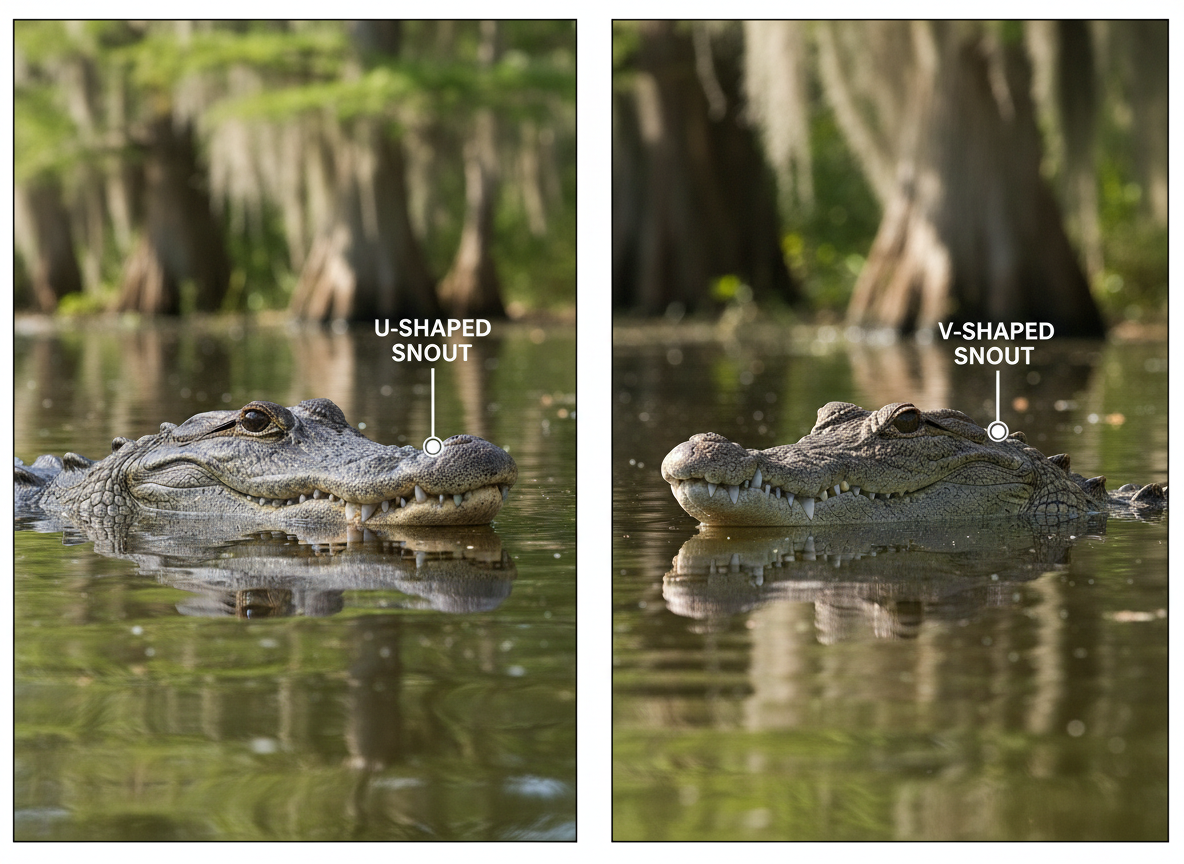
Look closely, and these ancient giants will tell you their secrets!
Quick Facts
Alligators and crocodiles are both crocodilians, ancient reptiles that have lived for millions of years.
Alligators generally have a U-shaped snout, while crocodiles have a V-shaped snout.
When a crocodile closes its mouth, you can often see its fourth lower tooth sticking out.
Alligators prefer freshwater habitats, but crocodiles can live in both fresh and saltwater.
The American Alligator is mostly found in the southeastern United States.
Crocodiles are found in tropical regions around the world, including Africa, Asia, Australia, and the Americas.
Both are apex predators, meaning they are at the top of their food chain.
They are cold-blooded, relying on their environment to regulate their body temperature.
Snout Shapes: The Easiest Clue!
One of the very best ways to tell an alligator from a crocodile is by looking at the shape of their snouts. Imagine drawing a letter 'U' or a letter 'V'. That's exactly the difference you're looking for!
Alligators: These reptiles typically have a broad, rounded, U-shaped snout. Think of a wide shovel! This wide snout is perfect for crushing the shells of turtles and snails, which are common prey in their freshwater habitats.
Crocodiles: On the other hand, crocodiles usually have a narrower, more pointed, V-shaped snout. Their snouts are more like a long triangle. This shape is great for catching fish and other fast-moving prey in various environments.
So, next time you see a picture or a video, quickly check the snout! Is it wide and rounded like a 'U' for an alligator, or narrow and pointed like a 'V' for a crocodile? This simple trick will help you identify them almost every time!
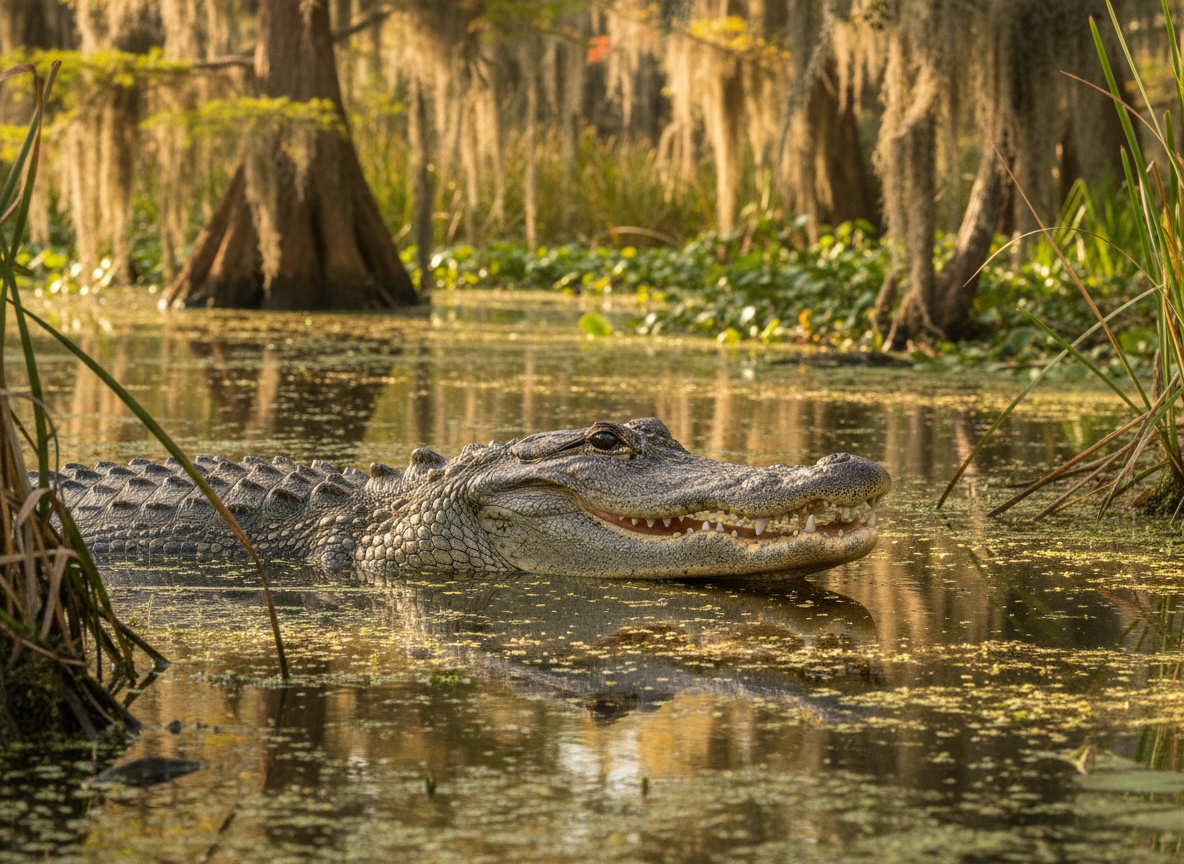
Tooth Talk: A Grin That Gives Them Away
Another super helpful clue is to look at their teeth, especially when their mouths are closed. This might sound a little tricky, but once you know what to look for, it's quite clear!
Alligators: When an alligator closes its mouth, all of its lower teeth fit neatly inside its upper jaw. You usually can't see any of their lower teeth sticking out. It's almost like their upper jaw is a perfect lid that covers everything up.
Crocodiles: This is where crocodiles are different! When a crocodile closes its powerful jaws, the fourth tooth on its lower jaw is often visible, sticking up over the upper lip. It looks a bit like a permanent snaggletooth! This is a very reliable way to tell them apart, even from a distance, if you can see their mouth.
This difference in tooth arrangement is due to the way their jaws are structured. It's a tiny detail, but it makes a big difference in identification!
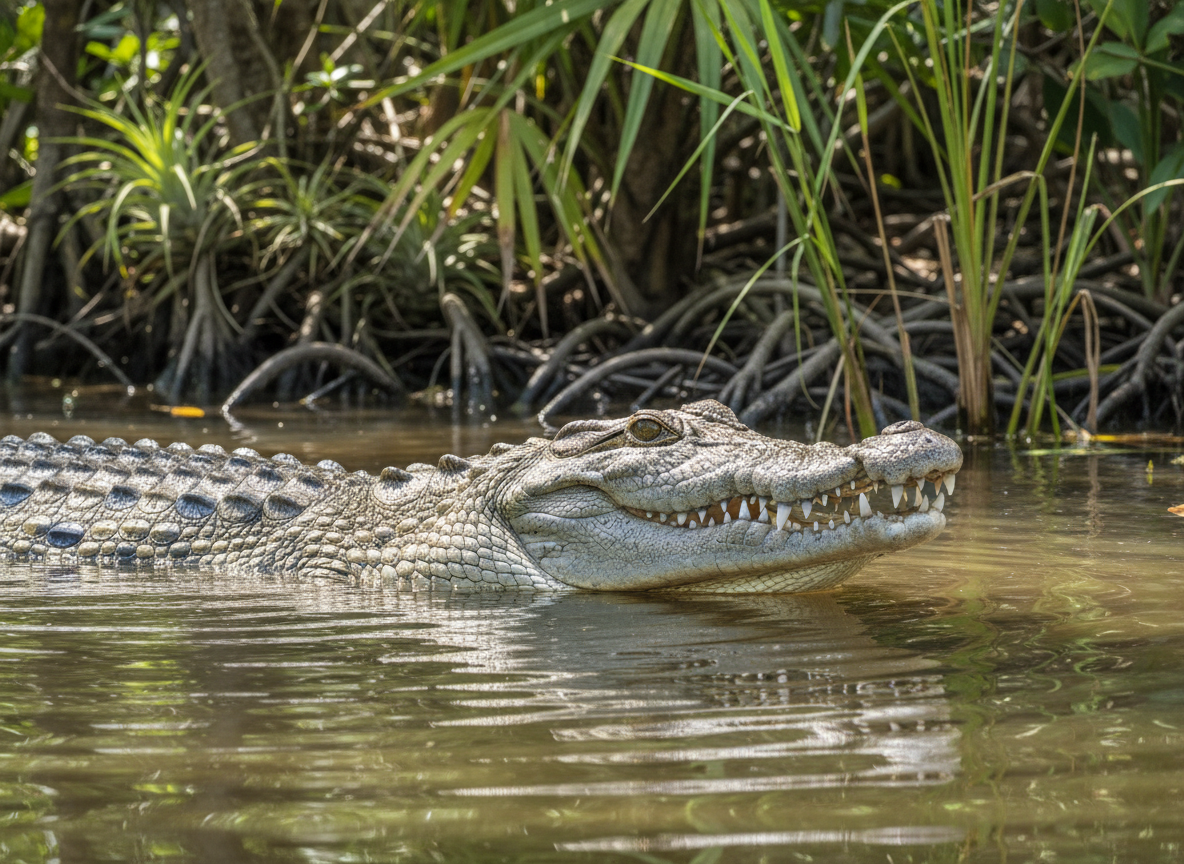
Where in the World Do They Live?
Knowing where these amazing creatures live can also help you figure out if it's an alligator or a crocodile. They have different preferred habitats and geographical ranges.
Alligators: There are only two species of alligators in the world: the American Alligator and the Chinese Alligator. The American Alligator is found almost exclusively in the southeastern United States, primarily in states like Florida, Louisiana, Georgia, and the Carolinas. The Chinese Alligator is much smaller and lives in a very small region of eastern China. Alligators prefer freshwater environments such as swamps, marshes, rivers, and lakes. They are not very tolerant of saltwater.
Crocodiles: Crocodiles are much more widespread! They live in tropical and subtropical regions all over the world, including parts of Africa, Asia, Australia, and the Americas (like the American Crocodile found in Florida, Central America, and South America). Unlike alligators, many crocodile species can tolerate saltwater, and some even thrive in brackish (slightly salty) water or coastal areas. This is why you might see a crocodile swimming in the ocean or in mangrove swamps near the sea.
Color and Behavior: Subtle Differences
While not as definitive as snout shape or teeth, there are some general differences in their color and behavior that can sometimes help. However, these can vary greatly depending on the specific species and their environment.
Color: Alligators tend to be darker, often a deep gray or black, sometimes with lighter undersides. Crocodiles often have lighter, more olive-green or tan skin. However, the color of both can depend on the water they live in and the algae that grows on their skin.
Temperament: Generally, alligators are often described as being a bit more timid than crocodiles, especially the larger species of crocodiles. However, all crocodilians are wild animals and should always be treated with extreme caution and respect. They are powerful predators and can be dangerous if approached.
Speed: Both alligators and crocodiles are incredibly fast on land for short bursts, despite their heavy appearance. In the water, they are graceful and powerful swimmers, using their strong tails to propel themselves.
Remember, these are general observations. The most reliable ways to tell them apart are still their snout shape and visible teeth!
Ancient Survivors: Why Are They So Important?
Both alligators and crocodiles are incredibly important to their ecosystems. They are known as 'apex predators,' meaning they are at the top of their food chain. By eating other animals, they help keep the populations of those animals balanced. For example, alligators help control fish populations and prevent certain species from overpopulating. They also dig 'gator holes' in swamps, which can hold water during dry seasons, providing a vital refuge for other animals like fish, turtles, and birds.
These animals are also living fossils! They have been around for millions of years, evolving very little since the time of the dinosaurs. Studying them helps scientists understand ancient life and how ecosystems have changed over vast periods of time. Protecting alligators and crocodiles means protecting the health of the wetlands and waterways they call home, which in turn benefits countless other plants and animals.
Putting Your Knowledge to the Test!
Now that you're an expert, let's recap the main differences:
Snout Shape: Alligator = U-shaped (broad, rounded). Crocodile = V-shaped (narrow, pointed).
Teeth: Alligator = Lower teeth hidden when mouth is closed. Crocodile = Fourth lower tooth visible when mouth is closed.
Habitat: Alligator = Mostly freshwater in the U.S. and China. Crocodile = Widespread in tropical regions, often in fresh, brackish, or saltwater.
It's amazing how two animals that look so similar can have such distinct features! The next time you see one of these magnificent reptiles, you'll be able to confidently identify it. They are truly incredible examples of nature's ancient survivors.
If you enjoyed learning about these ancient reptiles, why not bring them to life with some colors? You can find lots of free coloring pages featuring alligators and crocodiles on our website. It's a great way to practice identifying their unique features while having fun!
Educational Standards & Fact-Checking
Reviewed by KidsColouring Editorial Team
Educational References & Scientific Sources
Our curriculum and factual articles are synthesized from trusted academic encyclopedias, wildlife conservation bodies, and public science institutions:
- •Smithsonian Institution Educational Resources & National Zoo Archives — Smithsonian Institution
- •National Geographic Kids Science & Animal Encyclopedias — National Geographic Society
- •Encyclopaedia Britannica Academic & Elementary Learning Reference — Encyclopaedia Britannica


