More Than Just Fun: Why Coloring Is a Top Learning Activity for Kids

Remember those quiet moments at the kitchen table, crayons scattered, a fresh coloring page before your child? It might look like just a simple pastime, but as parents and educators, we know there's so much more happening beneath the surface. Coloring isn't just about keeping little hands busy; it's a powerhouse of learning, quietly nurturing a whole garden of skills that kids need to grow and thrive.
Think about it: a rainy Saturday afternoon, and your child is utterly absorbed in coloring a dinosaur. They're choosing colors, staying inside the lines (mostly!), and maybe even telling a story about that dinosaur as they work. This isn't just play; it's a rich, multi-layered learning experience that strengthens their minds, refines their bodies, and even helps them understand their feelings. Let's dive into why this simple, accessible activity is truly one of the best learning tools we can offer our children.
Editorial illustration
Coloring isn't just about filling spaces; it's about filling minds with focus, creativity, and confidence.
Key takeaways
Coloring strengthens fine motor skills and hand-eye coordination.
It enhances concentration and patience, crucial for academic success.
Children express emotions and develop self-regulation through color choices.
Coloring fosters creativity and imagination without strict rules.
It's a fantastic, low-pressure way to learn about colors, shapes, and patterns.
Shared coloring time builds connections and communication skills.
The sense of accomplishment from finishing a page boosts self-esteem.
Building Strong Hands: Fine Motor Skills & Hand-Eye Coordination
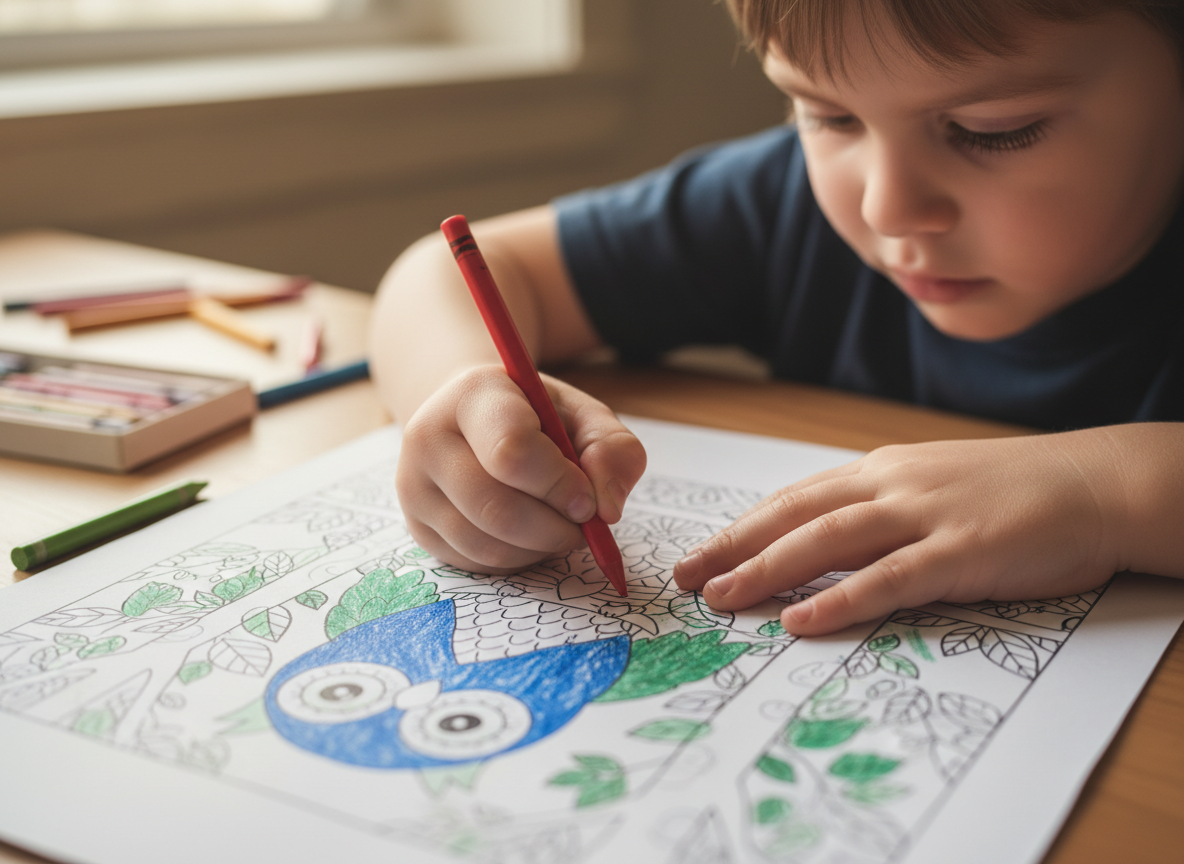
When your little one picks up a crayon, they're not just grabbing; they're engaging a complex set of muscles and neural pathways. The simple act of gripping, controlling pressure, and guiding the crayon within lines is a fantastic workout for their fine motor skills. These are the small, precise movements of the hands and fingers that are essential for so many daily tasks.
Think about what comes next: holding a pencil for writing, buttoning a shirt, tying shoelaces, or even using scissors. All these activities rely on the same muscle control and dexterity that coloring helps to build. As kids try to stay within the lines, their hand-eye coordination gets a significant boost too. They're learning to match what their eyes see with what their hands do, a fundamental skill for everything from sports to reading.
Pincer Grip Practice: Holding crayons correctly helps develop the pincer grip, which is vital for writing.
Pressure Control: Learning to press harder for darker colors or lighter for softer shades teaches muscle control.
Bilateral Coordination: Using one hand to color while the other holds the paper steady builds important bilateral coordination.
It's not about perfection, especially for younger children. It's about the process and the repeated practice. Even scribbling helps them gain control and confidence.
Editorial illustration
The Power of Focus: Patience and Concentration Development
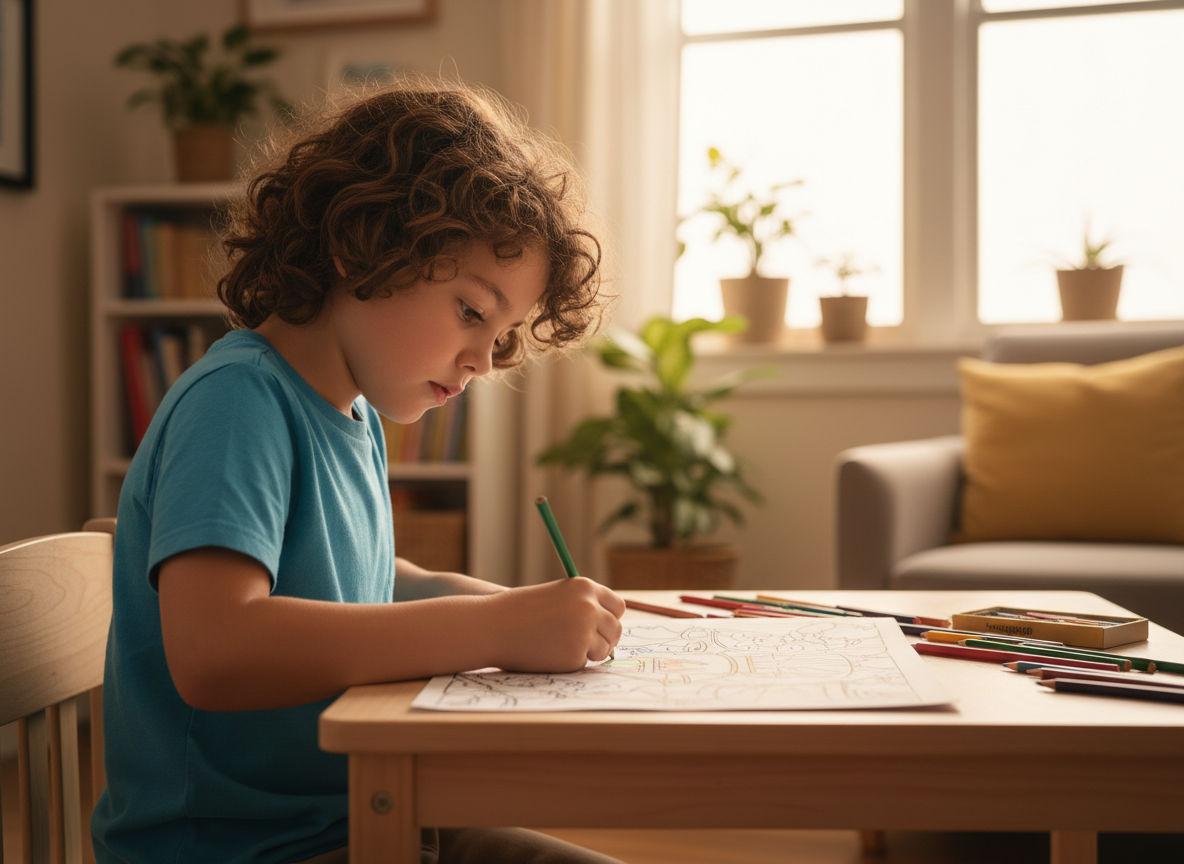
In a world full of distractions, helping our children develop focus and concentration is more important than ever. Coloring offers a wonderful, natural way to do just that. When a child sits down with a coloring page, they enter a mini-world where their attention is directed to a single task.
This sustained focus, even for short periods, trains their brains to concentrate. They learn to ignore external stimuli and dedicate their mental energy to the picture in front of them. This quiet concentration is a building block for academic success, helping them sit still during lessons, listen attentively, and tackle more complex tasks later on.
From Busy Bees to Focused Learners
I remember one afternoon, my son, who usually flits from toy to toy, spent almost twenty minutes meticulously coloring a dragon. He was so engrossed, he didn't even notice the dog barking outside! That's the magic of coloring. It provides just enough challenge and engagement to capture their attention, fostering patience as they work towards completing their artwork.
This isn't just about sitting still; it's about engaging their minds in a focused way. They learn to plan, to choose colors, and to see a task through from beginning to end. These are invaluable life skills that extend far beyond the coloring page.
Editorial illustration
A Canvas for Feelings: Emotional Expression and Self-Regulation
Children, especially younger ones, don't always have the words to express their big feelings. Coloring can become a safe and creative outlet for those emotions. A child might choose bright, vibrant colors when they're feeling happy and energetic, or darker, more subdued tones when they're feeling a little sad or thoughtful.
This act of choosing and applying colors allows them to communicate feelings non-verbally. It's a way for them to process their inner world, often without even realizing they're doing it. For a child who might be struggling with something, a quiet coloring session can be incredibly therapeutic, offering a sense of calm and control.
Stress Reduction: The repetitive motion of coloring can be very soothing, helping to calm anxious minds.
Emotional Vocabulary: Discussing their color choices ('Why did you choose green for the sky today?') can gently open conversations about feelings.
Sense of Control: In a world where much is decided for them, choosing colors and how to fill a page gives kids a valuable sense of agency.
It's a wonderful opportunity for parents to sit alongside their child, not to critique, but to observe and connect. 'Tell me about your picture,' can open up a world of conversation about what they're experiencing.
Editorial illustration
Unleashing Imagination: Creativity and Problem-Solving
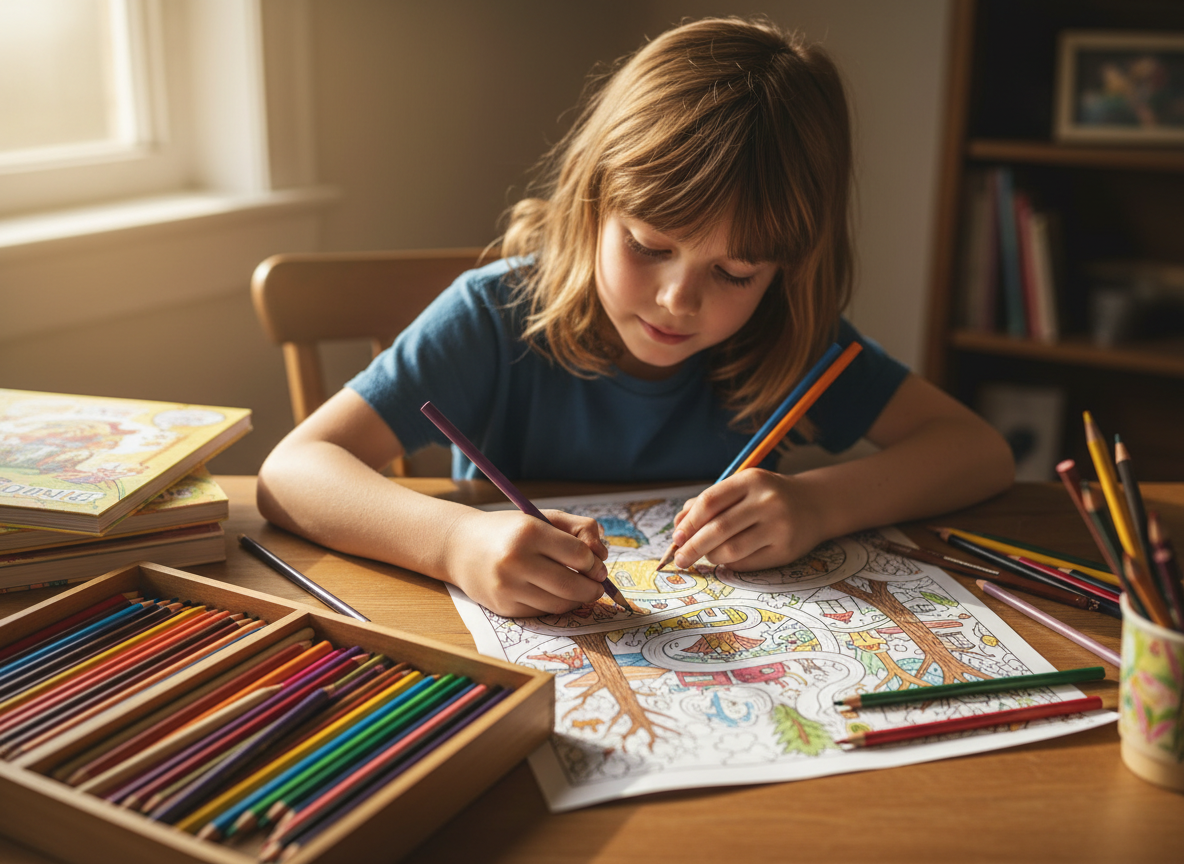
There are no right or wrong answers in coloring (unless you're in a very strict art class!). This freedom is incredibly liberating for children. They can make a purple elephant, a blue sun, or a rainbow-striped cat. This open-ended nature of coloring sparks their imagination and encourages creative thinking.
When a child is coloring, they're not just filling in shapes; they're often creating a story in their mind. 'This is a brave knight riding a fiery red horse!' they might declare, even if the horse was originally meant to be brown. This imaginative play is crucial for developing narrative skills and understanding different perspectives.
Thinking Outside the Lines
Coloring also presents subtle problem-solving opportunities. Which color should I use next? How can I make this part stand out? What happens if I blend these two colors? These small decisions, made independently, build confidence and encourage them to explore different possibilities. It’s a low-stakes environment for experimenting with ideas.
This creative exploration lays the groundwork for more complex problem-solving later in life. It teaches them that there isn't always just one way to do things, and sometimes, the most interesting solutions come from thinking differently.
Learning the Basics: Colors, Shapes, and Patterns
While it might seem obvious, coloring is a fantastic way for children to learn and reinforce their understanding of basic concepts like colors, shapes, and patterns. For younger children, simply naming the colors as they use them helps with vocabulary development and color recognition. 'You're using the bright red crayon for the apple!'
Older children can explore more nuanced concepts. They might notice patterns in a complex design and try to replicate or create their own. They learn about primary and secondary colors, how different shades evoke different moods, and even the concept of light and shadow through varying pressure.
Color Recognition: Repeated exposure to and naming of colors solidifies understanding.
Shape Identification: Coloring within specific shapes helps children recognize and differentiate them.
Pattern Making: Encouraging kids to create their own patterns within a picture fosters mathematical thinking.
It's a gentle, hands-on way to introduce these foundational concepts, making learning feel like fun rather than a chore. There's no pressure of a test, just the joy of creation.
Cultivating Calm: Mindfulness and Relaxation
In our bustling, always-on world, finding moments of calm for our children is vital. Coloring offers a wonderful opportunity for mindfulness and relaxation. The repetitive, focused nature of coloring can be incredibly meditative, helping to quiet a busy mind and reduce stress.
When a child is deeply engaged in coloring, they are present in the moment. They're not worrying about what happened at school or what's for dinner; their attention is fully on the page and the colors. This 'being in the moment' is a core principle of mindfulness, and it's a skill that benefits everyone, big or small.
Setting aside a dedicated 'coloring time' each day, perhaps after school or before dinner, can become a cherished ritual. It provides a peaceful transition, allowing children to decompress and recharge in a calm, creative way. It's a gentle reminder that sometimes, slowing down and focusing on a simple task can be the most rewarding activity of all.
Boosting Confidence: A Sense of Achievement
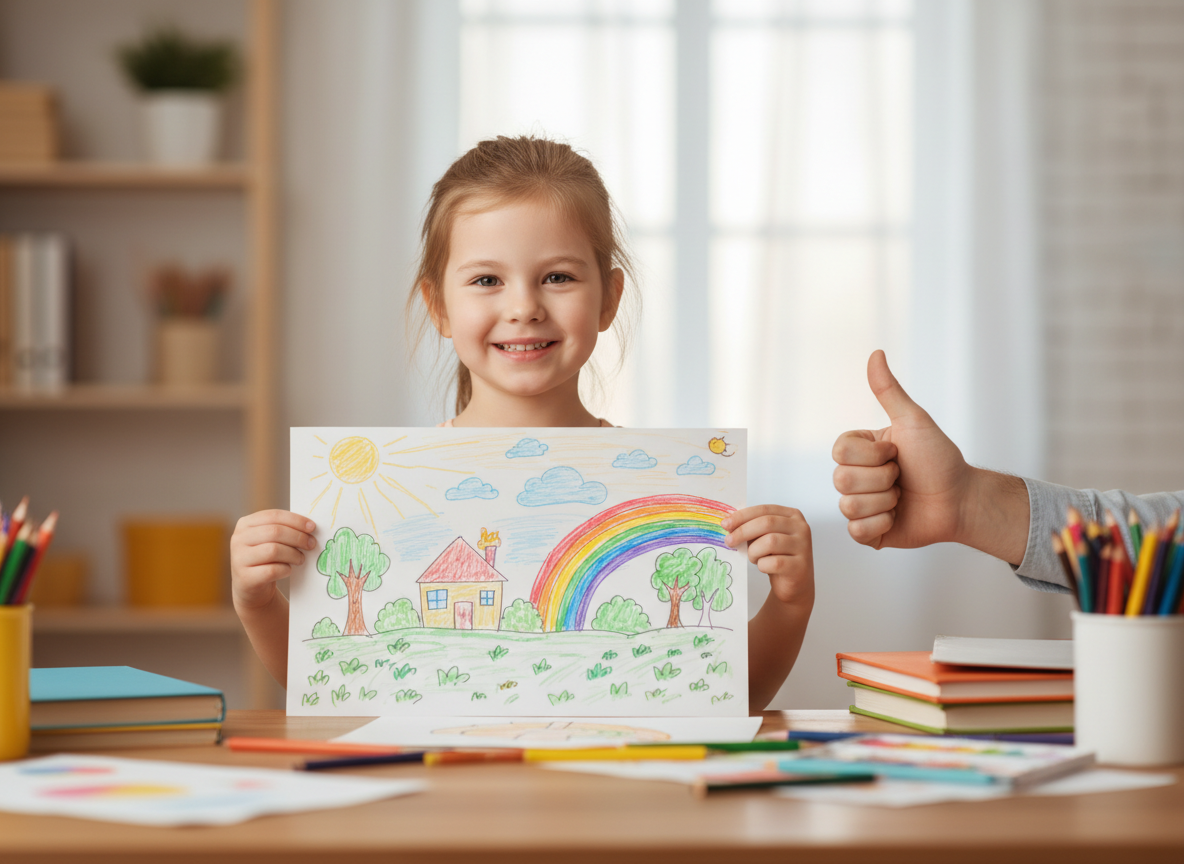
There's a special sparkle in a child's eyes when they proudly present a finished coloring page. That sense of accomplishment is incredibly important for building self-esteem and confidence. Unlike some activities where there's a 'right' way to do things, coloring offers immediate and tangible results.
Every completed page is a small victory, a testament to their effort and creativity. This positive reinforcement encourages them to try new things, to persevere when tasks are challenging, and to believe in their own abilities. We can further boost this by displaying their artwork, praising their effort, and asking them to tell us about their creations.
Even if a page isn't 'perfect' by adult standards, it's perfect to them because they made it. This ownership over their creation is a powerful driver for self-worth. So, next time your child hands you a scribbled masterpiece, remember the confidence they gain from that simple act of creation and completion.
So, the next time your child pulls out the crayons and a coloring page, remember that they're doing so much more than just filling in shapes. They're building foundational skills, expressing themselves, and cultivating a sense of calm and accomplishment. It's truly a learning activity that touches every aspect of their development.
Ready to encourage more of this wonderful learning? You'll find a huge collection of free, printable coloring pages perfect for every age and interest right here at KidsColouringPage.com. Just choose your favorites, print the PNG, and let the learning (and fun!) begin!
Looking for Free Printable Coloring Sheets?
Explore thousands of free printable pages ready for home or classroom learning.