
Facts About Owls: Amazing Night Hunters for Kids at a Glance
Topic Focus
Facts About Owls: Amazing Night Hunters for Kids
Learning Level
Ages 4–10 (Preschool to Grade 4)
Subject Area
Bird Facts
Format
Verified Fun Facts & Guided Exploration
Facts About Owls: Amazing Night Hunters of the Bird World
Hoo's ready to learn some amazing facts? Owls are some of the most mysterious and fascinating birds on our planet. With their big, round eyes and soft, silent wings, they are truly special creatures. Unlike many birds that sing and fly during the day, owls often come alive when the sun goes down, becoming masters of the night.
Imagine a bird that can see in the dark, fly without making a sound, and turn its head almost all the way around! These are just some of the incredible abilities that make owls such successful hunters and survivors. From tiny elf owls to giant great horned owls, each species has its own unique charm and special skills. Let's dive into the world of these feathered night dwellers and discover what makes them so extraordinary!
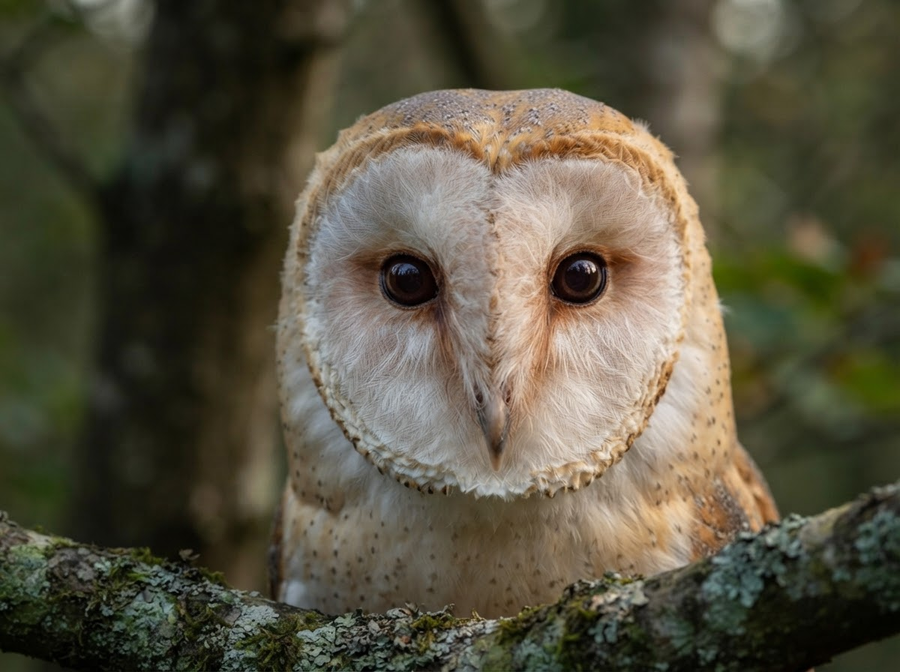
Owls are nature's silent ninjas, masters of the night sky!
Quick Facts
Owls have excellent night vision, helping them hunt in the dark.
Their special feathers allow them to fly almost completely silently.
Owls cannot move their eyeballs, so they turn their heads up to 270 degrees!
They eat small animals like mice, insects, and even other birds.
Owls are found all over the world, except in Antarctica.
Some owls hoot, while others screech, whistle, or hiss.
An owl's ears are not symmetrical, which helps them pinpoint sounds.
Night Vision: Seeing in the Dark
One of the most incredible things about owls is their ability to see in very low light. While they can see during the day, their eyes are specially designed for darkness. Their large, forward-facing eyes are fixed in their sockets, meaning they can't roll their eyeballs around like we do. Instead, an owl must turn its entire head to look in different directions. And what a turn it is! Owls can rotate their heads up to 270 degrees in either direction, which means they can see almost all the way behind them without moving their body!
Why are their eyes so big? Bigger eyes can gather more light, which is super important when you're hunting in the dark. Their eyes are also packed with special light-sensitive cells called rods, which are much better at detecting dim light than the cone cells that help us see color. This amazing vision makes them top predators when the moon is out.
Silent Flight: The Secret Weapon
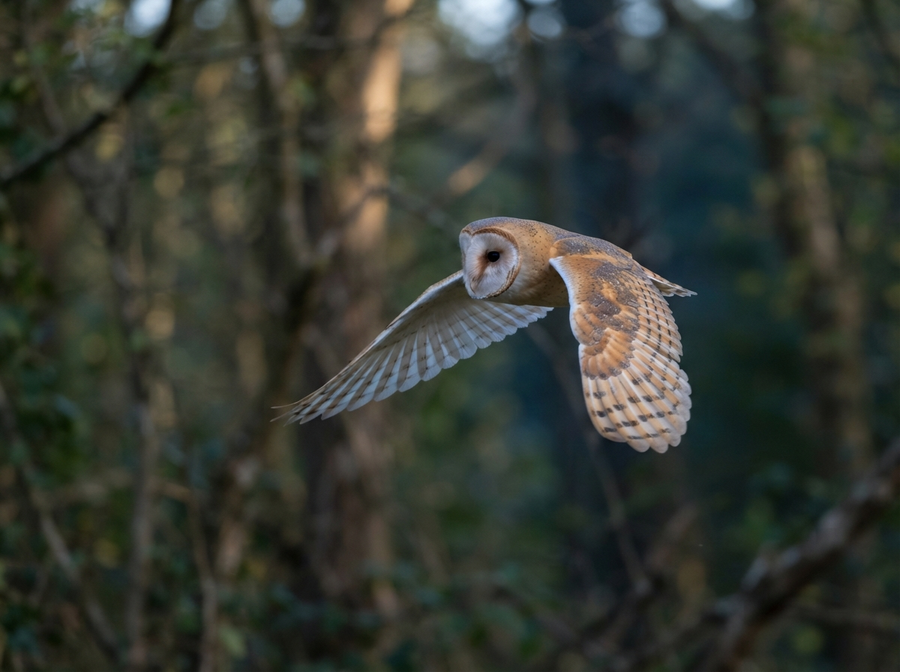
Have you ever heard an owl fly? Probably not! Owls are famous for their incredibly silent flight. This is a huge advantage when they are hunting. Imagine trying to catch a mouse in the dark. If your wings make a lot of noise, the mouse will hear you coming and run away. But an owl's wings are like nature's stealth technology.
Their feathers have special features that help them fly silently:
Fringed Edges: The leading edges of their primary flight feathers have a comb-like fringe that breaks up the air, reducing noise.
Soft, Downy Surfaces: The top surfaces of their wings are covered in soft, velvety down, which absorbs sound.
Flexible Feathers: The trailing edges of their feathers are also fringed and flexible, further reducing turbulence and sound.
These adaptations allow owls to swoop down on their prey without making a sound, giving their dinner very little warning.

Super Hearing: Ears That See Sounds
While their eyes are amazing, an owl's hearing is just as incredible, especially for hunting in the dark. An owl's ears are not like ours. They are hidden behind feathers on the sides of their head, and they are often not symmetrical. This means one ear might be slightly higher or in a different position than the other. This difference helps them pinpoint exactly where a sound is coming from, even in complete darkness.
Think of it like this: if a mouse rustles in the leaves, the sound will reach one ear a tiny fraction of a second before the other. The owl's brain uses this difference to create a 3D sound map, allowing it to know exactly where to strike. Some owls even have 'facial discs' made of stiff feathers around their face. These discs act like satellite dishes, funneling sound waves directly to their ears, making their hearing even more powerful.
What Do Owls Eat? A Hunter's Diet
Owls are carnivores, which means they eat meat. Their diet mostly consists of small mammals like mice, voles, and shrews. But depending on the owl species and where they live, they might also eat insects, frogs, lizards, snakes, fish, and even other birds. Larger owls, like the Great Horned Owl, can even hunt bigger prey like rabbits or skunks!
Owls swallow their prey whole or in large pieces. They can't digest bones, fur, or feathers. So, after a few hours, they cough up what's called an 'owl pellet.' An owl pellet is a compact ball of all the undigested parts of their meal. Scientists love studying owl pellets because they can tell us exactly what an owl has been eating!
Owl Habitats and Homes
Owls live in almost every kind of habitat imaginable, from forests and deserts to mountains and even cities. The only place you won't find them is Antarctica, because it's just too cold!
Different owls prefer different types of homes:
Tree Cavities: Many owls, like the Barred Owl, like to nest in hollows inside trees.
Abandoned Nests: Some owls, such as the Great Horned Owl, don't build their own nests. Instead, they take over old nests built by other large birds like hawks or crows.
Burrows: Burrowing Owls are unique because they live underground in burrows, often dug by prairie dogs or other animals.
Barns and Buildings: Barn Owls, as their name suggests, often make their homes in old barns, silos, or other human-made structures.
No matter where they live, owls are important parts of their ecosystems, helping to keep populations of rodents and insects in balance. They are truly amazing birds to observe and learn about!
If you're fascinated by these feathered friends, why not try coloring some fantastic owl pictures? You can find lots of free owl coloring pages to print or color online right here!
Educational Standards & Fact-Checking
Reviewed by KidsColouring Editorial Team
Educational References & Scientific Sources
Our curriculum and factual articles are synthesized from trusted academic encyclopedias, wildlife conservation bodies, and public science institutions:
- •Smithsonian Institution Educational Resources & National Zoo Archives — Smithsonian Institution
- •National Geographic Kids Science & Animal Encyclopedias — National Geographic Society
- •Encyclopaedia Britannica Academic & Elementary Learning Reference — Encyclopaedia Britannica


