
Amazing Butterfly Facts for Kids at a Glance
Topic Focus
Amazing Butterfly Facts for Kids
Learning Level
Ages 4–10 (Preschool to Grade 4)
Subject Area
Insect Facts
Format
Verified Fun Facts & Guided Exploration
Amazing Butterfly Facts for Kids: Discover the World of Butterflies!
Have you ever seen a butterfly flitting by, with its colorful wings dancing in the air? Butterflies are some of the most beautiful and fascinating insects on our planet. From tiny blue ones to giant orange monarchs, these delicate creatures bring joy and wonder wherever they go. But there's so much more to butterflies than just their pretty looks! They have incredible life stories, amazing abilities, and play an important role in nature.
Get ready to become a butterfly expert! In this article, we'll explore their magical transformations, what they eat, how far they travel, and many other astonishing secrets. You'll learn why butterflies are so special and why it's important to protect them. Let's dive into the amazing world of butterflies!
A butterfly's journey is a tale of magical transformation!
Quick Facts
Butterflies are insects with six legs and a body divided into three parts: head, thorax, and abdomen.
They undergo a complete metamorphosis, changing from an egg to a larva (caterpillar), then a pupa (chrysalis), and finally an adult butterfly.
Most adult butterflies live for only a few weeks, but some, like the Monarch, can live for several months.
Butterflies taste with their feet!
They are cold-blooded, meaning their body temperature changes with the temperature around them.
Many butterflies migrate thousands of miles to warmer places for winter.
There are over 17,500 known species of butterflies in the world.
Butterflies drink nectar from flowers using a long, straw-like tongue called a proboscis.
The Incredible Life Cycle of a Butterfly: Metamorphosis!
One of the most amazing things about butterflies is their life cycle, called metamorphosis. It's like a real-life magic trick! It has four main stages:
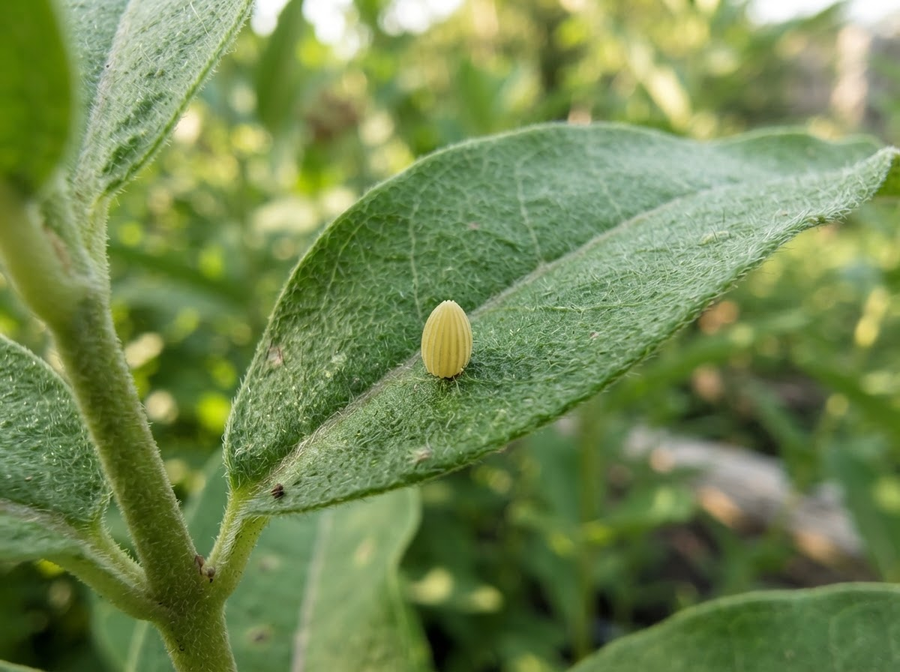
Egg: A female butterfly lays tiny eggs, usually on a specific 'host plant' that her caterpillars will eat. These eggs are often very small and can be round, oval, or even spindle-shaped.
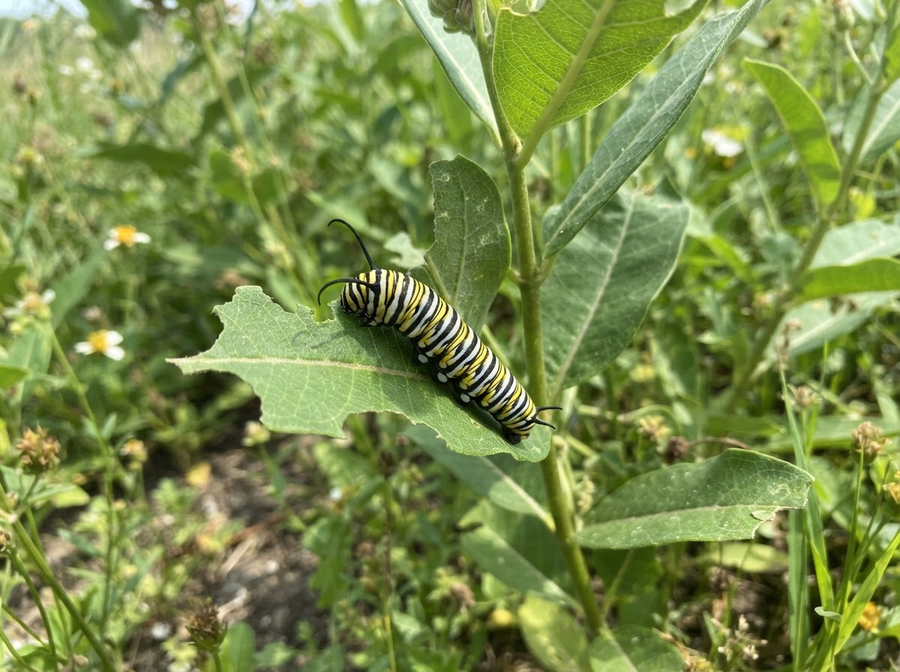
Larva (Caterpillar): The egg hatches into a larva, which we call a caterpillar! Caterpillars are eating machines. Their main job is to eat, grow, and shed their skin several times as they get bigger. They have many tiny legs and often have amazing patterns or even 'spikes' to protect themselves.
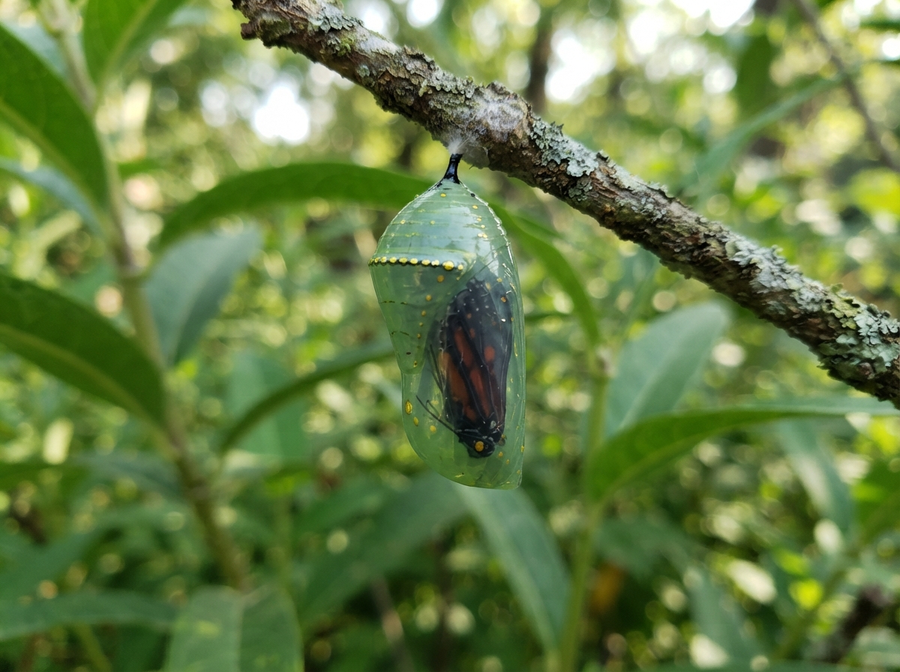
Pupa (Chrysalis): Once the caterpillar is big enough, it forms a chrysalis. This is a hard, protective casing. Inside the chrysalis, incredible changes happen. The caterpillar's body completely rearranges itself! It's a bit like a secret laboratory where the caterpillar turns into a butterfly.
Adult Butterfly: Finally, the chrysalis opens, and a beautiful adult butterfly emerges! Its wings are soft and wet at first, so it needs to rest and pump fluid into them to make them strong before it can fly. The adult butterfly's job is to drink nectar and lay new eggs to start the cycle all over again.
This entire process can take anywhere from a few weeks to several months, depending on the type of butterfly and the weather.
What Do Butterflies Eat and How Do They Eat It?
Adult butterflies primarily feed on liquid food, mainly nectar from flowers. Nectar is a sweet, sugary liquid that gives them energy. They have a special mouthpart called a proboscis, which is like a long, coiled straw. When a butterfly wants to eat, it unrolls its proboscis and sips the nectar from deep inside a flower.
But nectar isn't the only thing they drink! Some butterflies also like to sip on tree sap, rotting fruit, and even puddles. Puddles provide important minerals and salts that butterflies need. This behavior is sometimes called 'puddling.' While adult butterflies are focused on liquids, caterpillars (the larva stage) eat solid food. They munch on leaves of specific plants, which is why the female butterfly is so careful about where she lays her eggs.
The Amazing World of Butterfly Wings
Butterfly wings are not only beautiful but also incredibly clever! They are covered in thousands of tiny, overlapping scales, which are like very small, flat plates. These scales are what give butterflies their vibrant colors and patterns. Some colors come from pigments, just like paint, but many of the shimmering, iridescent colors are created by the way light bounces off the scales, like a tiny prism!
These patterns aren't just for show. They serve many purposes:
Camouflage: Some butterflies have patterns that help them blend in with their surroundings, hiding them from predators.
Warning: Bright, bold colors can warn predators that the butterfly is poisonous or tastes bad.
Mating: Unique patterns help butterflies recognize others of their own species for mating.
Temperature Control: Darker areas on wings can absorb sunlight to warm up, while lighter areas reflect it to cool down.
The wings are also very delicate, so butterflies must be careful not to damage them. If a butterfly loses too many scales, it can affect its ability to fly.
Long Journeys: Butterfly Migration
Did you know that some butterflies are incredible travelers? The most famous migrator is the Monarch butterfly. Each autumn, millions of Monarchs in North America fly thousands of miles south to warmer places like Mexico and parts of California. They fly all the way to special mountain forests where they cluster together on trees to stay warm during the winter. This journey can be over 3,000 miles long!
It's amazing because the butterflies that fly south are not the same ones that fly back north in the spring. It takes several generations of Monarchs to complete the round trip. The Monarchs that make the long journey south are a special 'super generation' that lives much longer than regular Monarchs. They pause their normal life cycle to make the epic trip, then lay eggs in the spring, and their offspring continue the journey north.
This migration is one of the longest and most spectacular insect migrations in the world, and it's a true wonder of nature. Protecting the places they live and the plants they need is very important to keep these amazing journeys going.
We hope you've enjoyed learning all these amazing facts about butterflies! They are truly wonderful creatures. If you want to explore more, why not try coloring some beautiful butterfly pictures? You can find many free butterfly coloring pages to color online or print at KidsColouringPage.com!
Educational Standards & Fact-Checking
Reviewed by KidsColouring Editorial Team
Educational References & Scientific Sources
Our curriculum and factual articles are synthesized from trusted academic encyclopedias, wildlife conservation bodies, and public science institutions:
- •Smithsonian Institution Educational Resources & National Zoo Archives — Smithsonian Institution
- •National Geographic Kids Science & Animal Encyclopedias — National Geographic Society
- •Encyclopaedia Britannica Academic & Elementary Learning Reference — Encyclopaedia Britannica


