
How Do Bees Make Honey? The Sweet Step-by-Step Story for Kids at a Glance
Topic Focus
How Do Bees Make Honey? The Sweet Step-by-Step Story for Kids
Learning Level
Ages 4–10 (Preschool to Grade 4)
Subject Area
Insect Facts
Format
Verified Fun Facts & Guided Exploration
How Do Bees Make Honey? The Sweet Step-by-Step Story for Kids
Have you ever wondered where honey comes from? This golden, sticky, and super sweet treat isn't just magically appearing on our toast! It's all thanks to tiny, hardworking insects called bees. Bees are truly amazing creatures, and their ability to make honey is one of nature's most incredible wonders. It's a complex process that involves teamwork, clever engineering, and a lot of buzzing!
Today, we're going to dive into the fascinating world of bees and follow their journey from collecting sweet liquids to storing them in their cozy hives. We'll explore each step, learning about the different jobs bees have and the special ways they turn flower nectar into the delicious honey we love. Get ready to discover the secrets behind this natural sweetener!
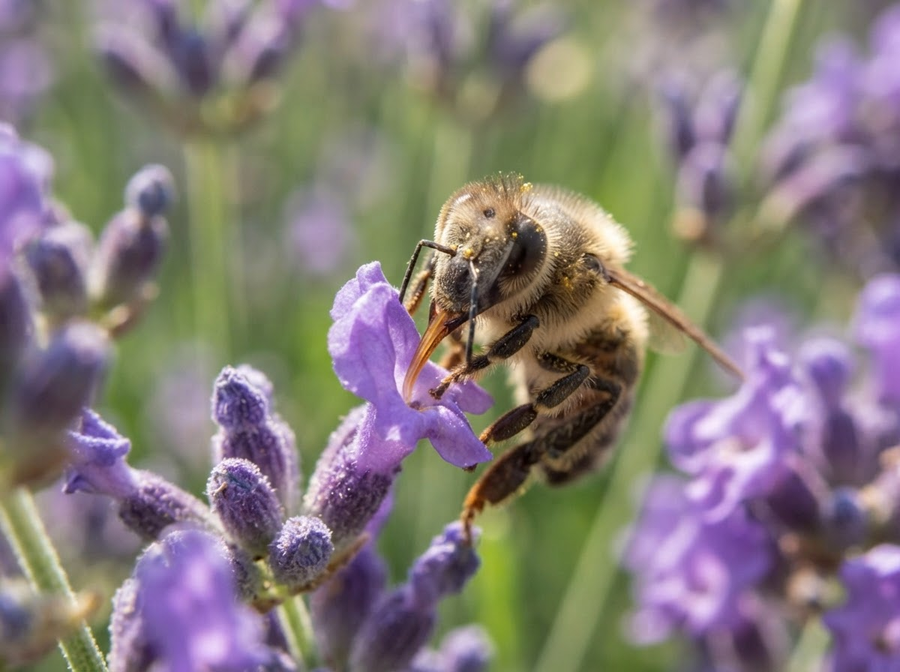
Honey is sunshine stored in a jar, all thanks to our amazing bee friends!
Quick Facts
Worker bees are almost always female.
A single bee visits 50 to 100 flowers during one collection trip.
Bees have two stomachs: one for eating and one for storing nectar.
Honey is the only food that includes all the substances necessary to sustain life: water, vitamins, minerals, and enzymes.
Bees flap their wings about 200 times per second.
Honey never spoils if stored correctly.
Step 1: Finding the Flowers and Collecting Nectar
The honey-making journey begins with worker bees, who are usually female. These busy bees have a very important job: foraging! Foraging means they fly out of the hive to search for food. Their main goal is to find flowers that are rich in nectar. Nectar is a sweet, sugary liquid produced by flowers to attract pollinators like bees. It's like a special drink for bees!
When a bee finds a good patch of flowers, she uses her long, straw-like tongue, called a proboscis, to suck up the nectar. She doesn't swallow it into her regular stomach! Instead, she stores it in a special stomach called a 'honey sac' or 'crop.' This honey sac is like a tiny backpack for nectar, allowing her to carry it back to the hive without digesting it herself. As she collects nectar, pollen also sticks to her fuzzy body, which she helps to transfer from flower to flower, helping plants reproduce. This is called pollination, and it's super important for many fruits and vegetables we eat!
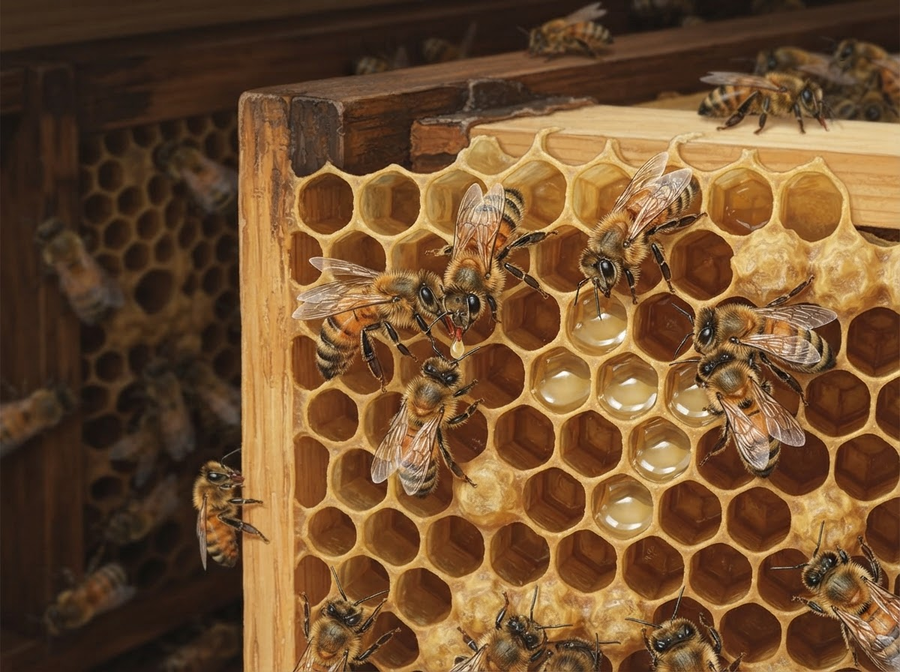
Step 2: Back to the Hive and the Transfer Process
Once a worker bee's honey sac is full, she flies back to the hive. This can be a long journey, and she might have visited hundreds of flowers to fill up her sac! Inside the hive, she meets other worker bees, often younger ones who have different jobs. The foraging bee will 'regurgitate' the nectar. This means she gently spits it out, passing it to a house bee. It might sound a little strange, but it's a completely natural and important part of the process!
The house bee then takes the nectar and also stores it in her own honey sac. This transfer process can happen several times, from one bee to another. Each time the nectar is passed, it gets mixed with special enzymes from the bees' mouths. These enzymes are like tiny helpers that start to change the nectar. One important enzyme, called invertase, begins to break down the complex sugars in the nectar into simpler sugars, like glucose and fructose. This makes the honey easier for bees (and us!) to digest.
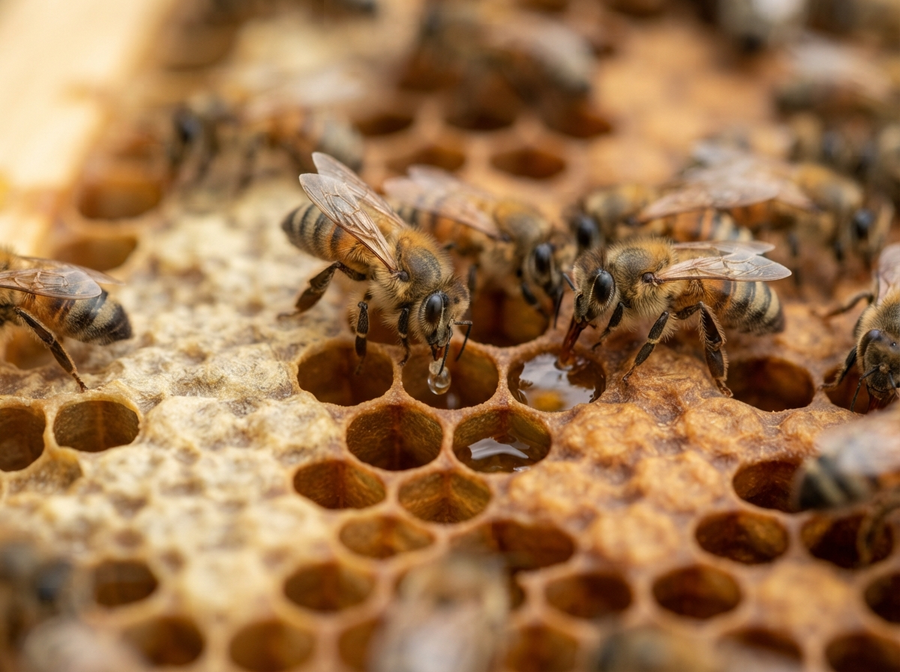
Step 3: Drying Out the Nectar to Make Honey
Nectar, when first collected, has a lot of water in it. If honey had too much water, it would spoil quickly. So, the bees need to remove most of the water. This is a very clever step! After the nectar has been passed around and mixed with enzymes, the house bees deposit small droplets of it into the hexagonal cells of the honeycomb. Honeycomb is a structure made of wax that bees build inside their hive.
To dry out the nectar, the bees use a few methods:
Fanning: Many worker bees stand near the honeycomb and flap their wings incredibly fast. This creates a current of air that helps to evaporate the water from the nectar. It's like having many tiny fans working together!
Warmth: The hive itself is kept warm by the bees' body heat, which also helps with evaporation.
Surface Area: By spreading the nectar in thin layers in the cells, they increase the surface area exposed to the air, making it dry faster.
This fanning and drying process continues until the water content in the nectar is very low, usually less than 18%. At this point, the nectar has transformed into thick, golden honey!
Step 4: Storing and Capping the Honey
Once the honey has reached the perfect consistency and water content, it's ready for storage. The bees then 'cap' the cells. Capping means they cover each cell filled with honey with a thin layer of beeswax. This wax cap seals the honey, protecting it from moisture and bacteria. It's like putting a lid on a jar to keep the food fresh!
The capped honey is stored in the honeycomb cells as a food source for the bee colony, especially during winter when there are no flowers blooming and no nectar to collect. It's their pantry, full of energy-rich food to help them survive. A healthy bee colony can produce much more honey than they need, and that's the extra honey that beekeepers carefully collect for us to enjoy!
Isn't it amazing how these tiny insects work together to create such a wonderful and delicious product? Every spoonful of honey is a testament to the incredible hard work and teamwork of bees!
The Many Uses of Honey
Honey isn't just a delicious sweetener; it has been used by humans for thousands of years for many different purposes. Of course, it's wonderful in tea, on toast, or drizzled over yogurt. But it's also used in baking, cooking, and even in some medicines or beauty products. Ancient civilizations considered honey to be a sacred and precious food.
Different flowers produce different types of nectar, which results in different kinds of honey. For example, clover honey tastes different from orange blossom honey or wildflower honey. Each type has its own unique flavor, color, and aroma, depending on where the bees collected their nectar. It's like a delicious taste of the flowers from which it came!
Now that you know the amazing journey of honey, you can appreciate it even more. If you'd like to explore the busy world of bees even further, you can find some fantastic free coloring pages online to bring these incredible insects to life with your favorite colors!
Educational Standards & Fact-Checking
Reviewed by KidsColouring Editorial Team
Educational References & Scientific Sources
Our curriculum and factual articles are synthesized from trusted academic encyclopedias, wildlife conservation bodies, and public science institutions:
- •Smithsonian Institution Educational Resources & National Zoo Archives — Smithsonian Institution
- •National Geographic Kids Science & Animal Encyclopedias — National Geographic Society
- •Encyclopaedia Britannica Academic & Elementary Learning Reference — Encyclopaedia Britannica


