
Bunny & Rabbit Facts for Kids: Hopping into the World of Lagomorphs! at a Glance
Topic Focus
Bunny & Rabbit Facts for Kids: Hopping into the World of Lagomorphs!
Learning Level
Ages 4–10 (Preschool to Grade 4)
Subject Area
Animal Facts
Format
Verified Fun Facts & Guided Exploration
Bunny & Rabbit Facts for Kids: Hopping into the World of Lagomorphs!
Welcome, young explorers, to the fascinating world of bunnies and rabbits! These adorable, fluffy creatures are known for their twitching noses, long ears, and super-speedy hops. But did you know there's more to these furry friends than meets the eye? They are incredibly interesting animals with special ways of living, eating, and even communicating.
You might use the words 'bunny' and 'rabbit' to mean the same thing, and that's okay! Often, 'bunny' is a sweet, informal name for a young rabbit. However, the scientific world groups them all under a special order called 'Lagomorpha.' Within this order, there are different families and many, many types of rabbits, each with unique features. Let's dig deeper and uncover some amazing secrets about these captivating creatures!
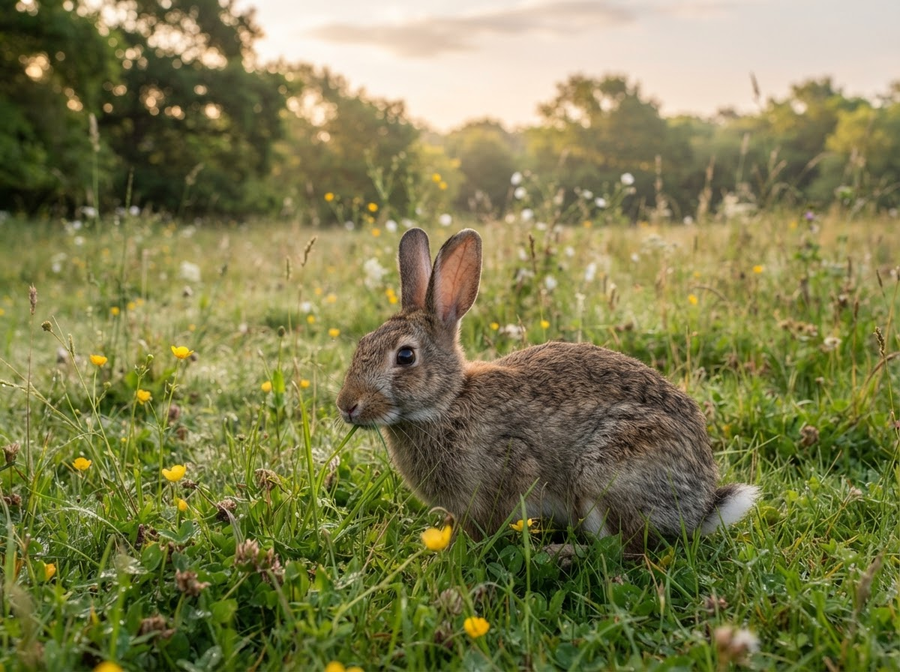
Bunnies and rabbits are nature's expert hoppers, always ready for an adventure!
Quick Facts
Rabbits are not rodents; they belong to the order Lagomorpha.
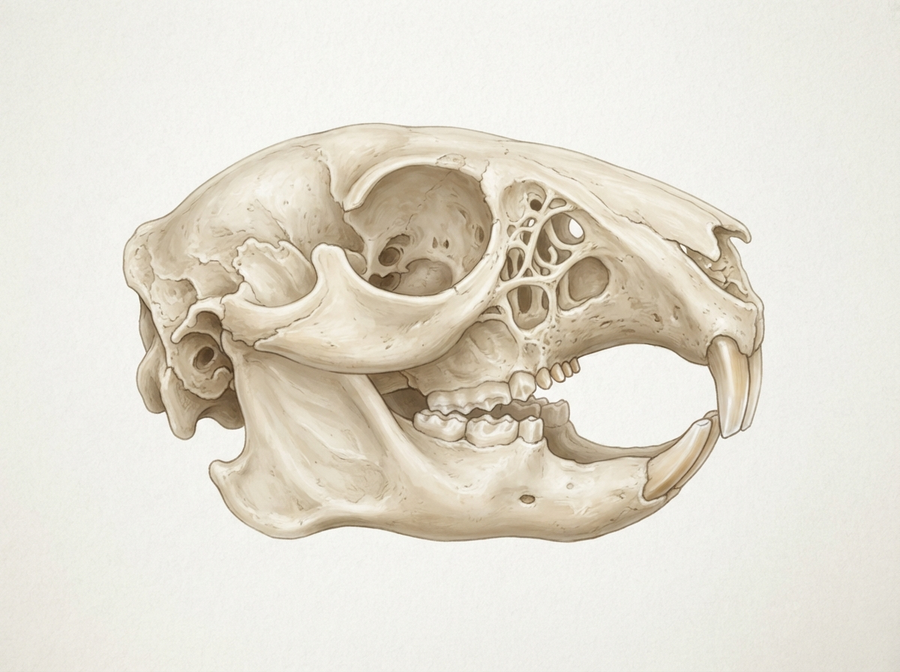
They have two sets of incisor teeth, one behind the other.
Rabbits can see almost 360 degrees, but they have a small blind spot right in front of their nose.
Their long ears can rotate to help them hear sounds from far away.
A group of rabbits is called a 'colony' or 'nest' (for wild rabbits) or a 'herd' (for domestic rabbits).
They eat their own droppings (called cecotropes) to get more nutrients.
Rabbits communicate using thumps, nudges, and even subtle ear movements.
What Makes a Rabbit a Rabbit? Not a Rodent!
One of the most common misunderstandings about rabbits is that they are rodents, like mice or squirrels. But this isn't true! Rabbits actually belong to their own special scientific order called Lagomorpha. This group also includes pikas, which are small, furry mountain animals. What makes lagomorphs different from rodents?
Teeth: Rabbits have four incisor teeth on their upper jaw, with two small peg-like teeth hidden right behind the two larger ones. Rodents only have two upper incisors. These extra teeth are super important for chewing tough plant material.
Digestion: Rabbits have a unique digestive system that helps them get all the nutrients from their plant-based diet. They produce special droppings called 'cecotropes' that they re-eat to absorb more vitamins and minerals. It might sound a little strange, but it's a very clever way to make sure they don't waste any good food!
Movement: While some rodents can hop, rabbits are built for powerful, fast hops and leaps. Their strong hind legs are perfectly designed for escaping danger quickly.
So, next time someone asks, you can proudly tell them that rabbits are unique lagomorphs!
Homes Sweet Homes: Where Do Rabbits Live?
Rabbits are found all over the world, living in many different environments, from forests and grasslands to deserts and even snowy mountains. Where they live depends a lot on the type of rabbit!
Most wild rabbits are excellent diggers and live in complex underground tunnels called 'burrows' or 'warrens.' These burrows can be very extensive, with many entrances and exits, and different chambers for sleeping, raising young, and storing food. Living underground keeps them safe from predators and protects them from harsh weather, like scorching sun or freezing cold.
However, not all rabbits live in burrows. Some species, like the Cottontail rabbit in North America, prefer to live above ground in dense bushes or tall grasses, creating a 'nest' for their babies. These nests are often just shallow depressions lined with soft fur and grass, perfectly camouflaged to hide their tiny kits.
No matter where they live, rabbits are masters of adapting to their surroundings!
What's on the Menu? A Rabbit's Diet
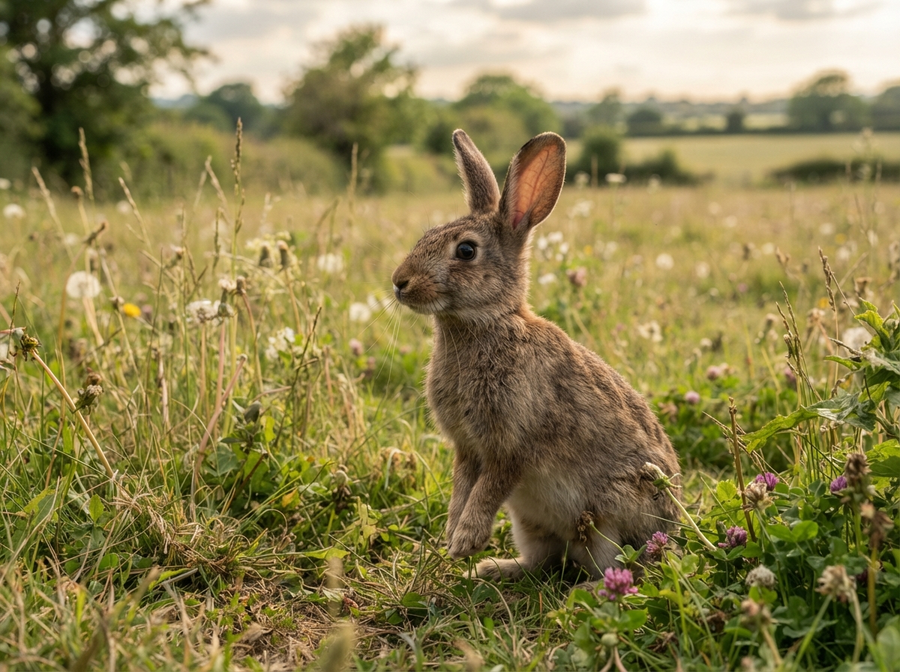
Rabbits are herbivores, which means they eat only plants. Their diet is mostly made up of grasses, clover, and other leafy greens. They need a lot of fiber to keep their digestive systems healthy. If you've ever seen a rabbit munching, you'll notice they chew with a side-to-side motion, grinding their food thoroughly.
They are also very resourceful eaters. Depending on what's available, they might also eat:
Twigs and bark (especially in winter when other food is scarce)
Fruits (like berries)
Vegetables (like carrots, though too many can be unhealthy for domestic rabbits)
Flowers and herbs
Wild rabbits spend many hours a day foraging for food. This constant eating helps keep their ever-growing teeth worn down. Yes, a rabbit's teeth never stop growing! This is why chewing on tough plant material is so important for their dental health.
Super Senses: How Rabbits Stay Safe
Rabbits have incredible senses that help them survive in the wild. They are often prey animals, meaning other animals try to hunt them, so their senses are finely tuned for detecting danger.
Hearing: Their most famous feature, those long ears, are like super-sensitive antennae! Rabbit ears can rotate almost 180 degrees independently, allowing them to pinpoint the exact direction of even the smallest sound. They can hear predators approaching from far away.
Sight: Rabbits have eyes on the sides of their heads, giving them an almost 360-degree view of their surroundings. This wide field of vision helps them spot predators from nearly every direction without having to move their head much. However, they do have a small blind spot directly in front of their nose.
Smell: A rabbit's constantly twitching nose isn't just cute; it's a powerful tool! They use their sense of smell to find food, recognize other rabbits, and detect predators. They can even smell danger in the air.
When a rabbit senses danger, they might 'freeze' to avoid being seen, or they might thump their powerful hind legs on the ground. This thumping is a warning signal to other rabbits in the area, telling them to be alert or to run for cover!
Baby Bunnies: Kits and Their Growth
Baby rabbits are called 'kits' or 'kittens.' When they are born, they are tiny, blind, and hairless, making them very vulnerable. Their mother, called a 'doe,' makes a soft nest for them, often lined with her own fur, to keep them warm and safe.
Doe rabbits are very secretive about their kits. They only visit the nest a few times a day, usually at dawn and dusk, to feed their babies. This is a clever strategy to avoid attracting predators to the nest. The mother's milk is very rich and nutritious, allowing the kits to grow quickly.
Within just a few weeks, baby rabbits grow rapidly. Their eyes open, their fur grows in, and they start to explore outside the nest. Soon, they are ready to forage for themselves and become independent. Rabbits can have several litters of babies each year, which is why they are often associated with spring and new life!
Educational Standards & Fact-Checking
Reviewed by KidsColouring Editorial Team
Educational References & Scientific Sources
Our curriculum and factual articles are synthesized from trusted academic encyclopedias, wildlife conservation bodies, and public science institutions:
- •Smithsonian Institution Educational Resources & National Zoo Archives — Smithsonian Institution
- •National Geographic Kids Science & Animal Encyclopedias — National Geographic Society
- •Encyclopaedia Britannica Academic & Elementary Learning Reference — Encyclopaedia Britannica


