
Fun Facts About Easter for Kids: Discover Its History & Traditions! at a Glance
Topic Focus
Fun Facts About Easter for Kids: Discover Its History & Traditions!
Learning Level
Ages 4–10 (Preschool to Grade 4)
Subject Area
Country Facts
Format
Verified Fun Facts & Guided Exploration
Fascinating Facts About Easter for Kids: A Journey of Discovery!
Have you ever wondered why we celebrate Easter with colorful eggs, fluffy bunnies, and delicious treats? Easter is a very special holiday celebrated by millions of people around the world. It's a time of renewal, joy, and often, the arrival of spring! But what exactly is Easter, and where do all these wonderful traditions come from? It's much more than just chocolate; it's a holiday with deep roots in history, ancient customs, and diverse celebrations.
Get ready to embark on an exciting journey as we uncover some amazing facts about Easter. From its ancient beginnings to the way different cultures celebrate today, we'll explore the symbols, stories, and significance behind this beloved holiday. Prepare to be surprised by how many different meanings and traditions are packed into this one special time of year!
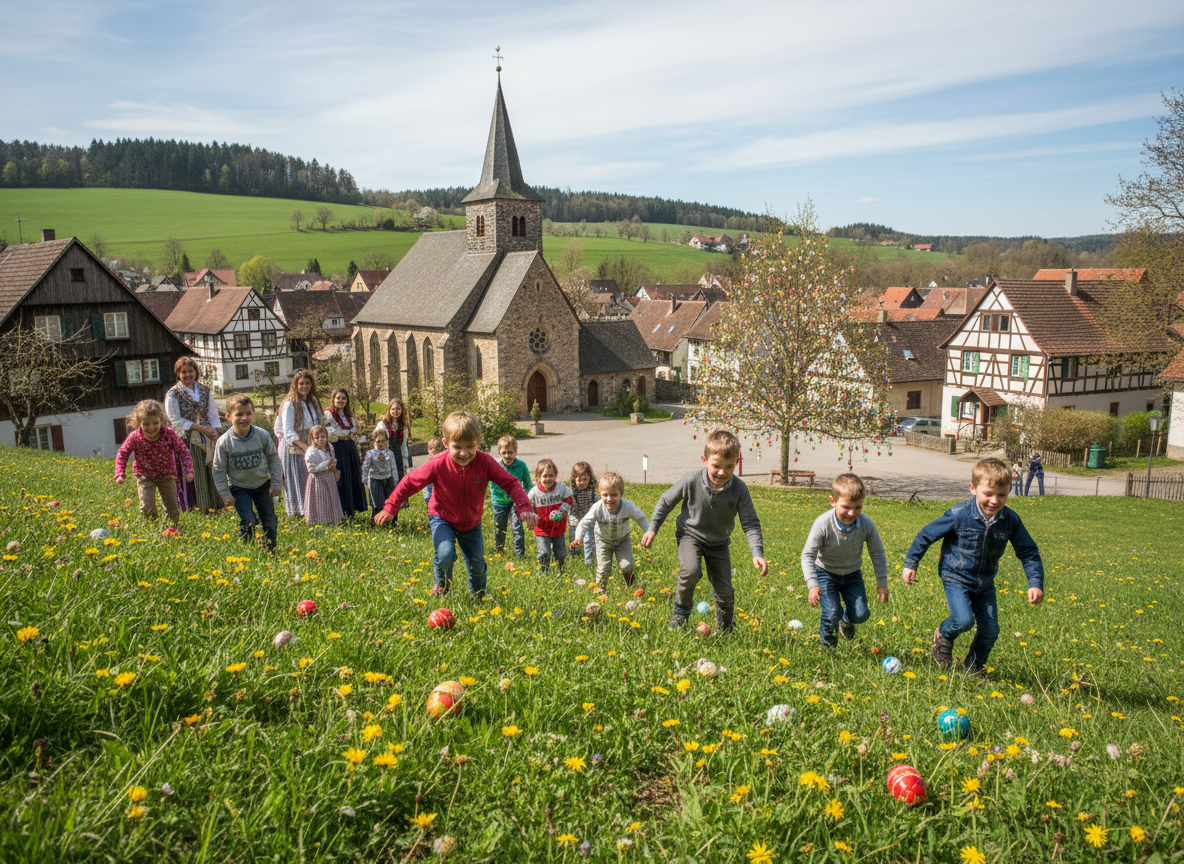
Easter is a time of new beginnings, bright colors, and wonderful stories that connect us to the past and each other.
Quick Facts
Easter is celebrated in spring in the Northern Hemisphere and autumn in the Southern Hemisphere.
The date of Easter changes each year, falling between March 22nd and April 25th.
The Easter Bunny tradition originated in Germany.
Decorating eggs for Easter is an ancient custom, symbolizing new life.
The word 'Easter' might come from an old goddess of spring and dawn.
Many countries have unique Easter treats, not just chocolate eggs.
Lent is a 40-day period before Easter, observed by many Christians.
Sunrise services are a common Easter Sunday tradition.
When is Easter? A Movable Feast!
One of the most interesting things about Easter is that its date changes every year! Unlike holidays like Christmas, which is always on December 25th, Easter is what we call a 'movable feast.' This means it can happen on any Sunday between March 22nd and April 25th. So, how is the date decided?
For Western Christians, Easter always falls on the first Sunday after the first full moon that occurs on or after the spring equinox. The spring equinox is the day in spring when day and night are almost exactly the same length. This tradition dates back many centuries and connects Easter to the cycles of the moon and the arrival of spring. It's a bit like a cosmic calendar helping us mark this special occasion!
The Ancient Origins of Easter Traditions
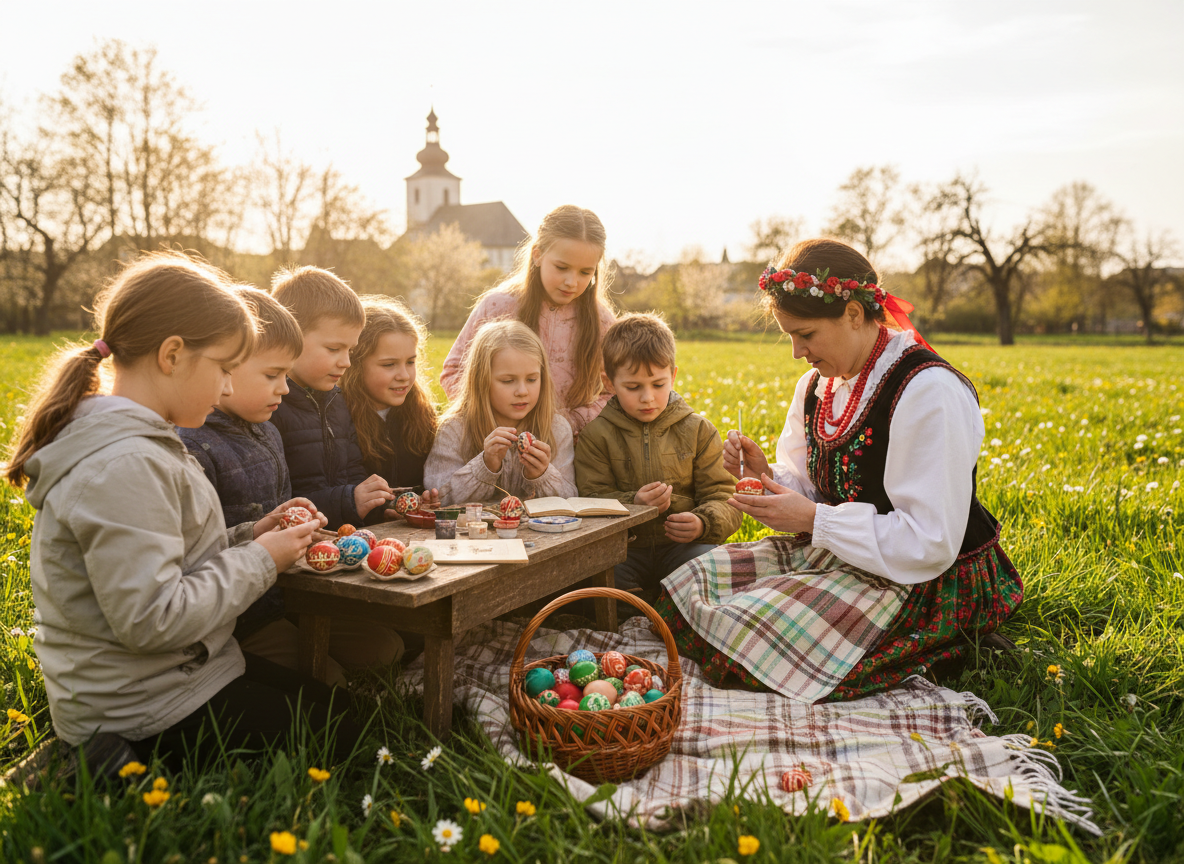
While Easter is a major Christian holiday celebrating the resurrection of Jesus, many of its beloved traditions have even older roots! Long before Christianity, people celebrated the arrival of spring. Spring was a time of rebirth and new life after the cold, dark winter. Many ancient cultures had festivals to honor goddesses of spring, fertility, and dawn.
For example, some historians believe the name 'Easter' might come from 'Eostre' or 'Ostara,' an Anglo-Saxon goddess of spring and fertility. Her symbols often included eggs and hares (like rabbits), which were seen as symbols of new life and abundance. As Christianity spread, many of these existing spring customs were blended with the new Christian celebrations, giving us the rich mix of traditions we see today.
Why Eggs and Bunnies? Symbols of New Life!
Two of the most famous Easter symbols are eggs and bunnies. But why these two?
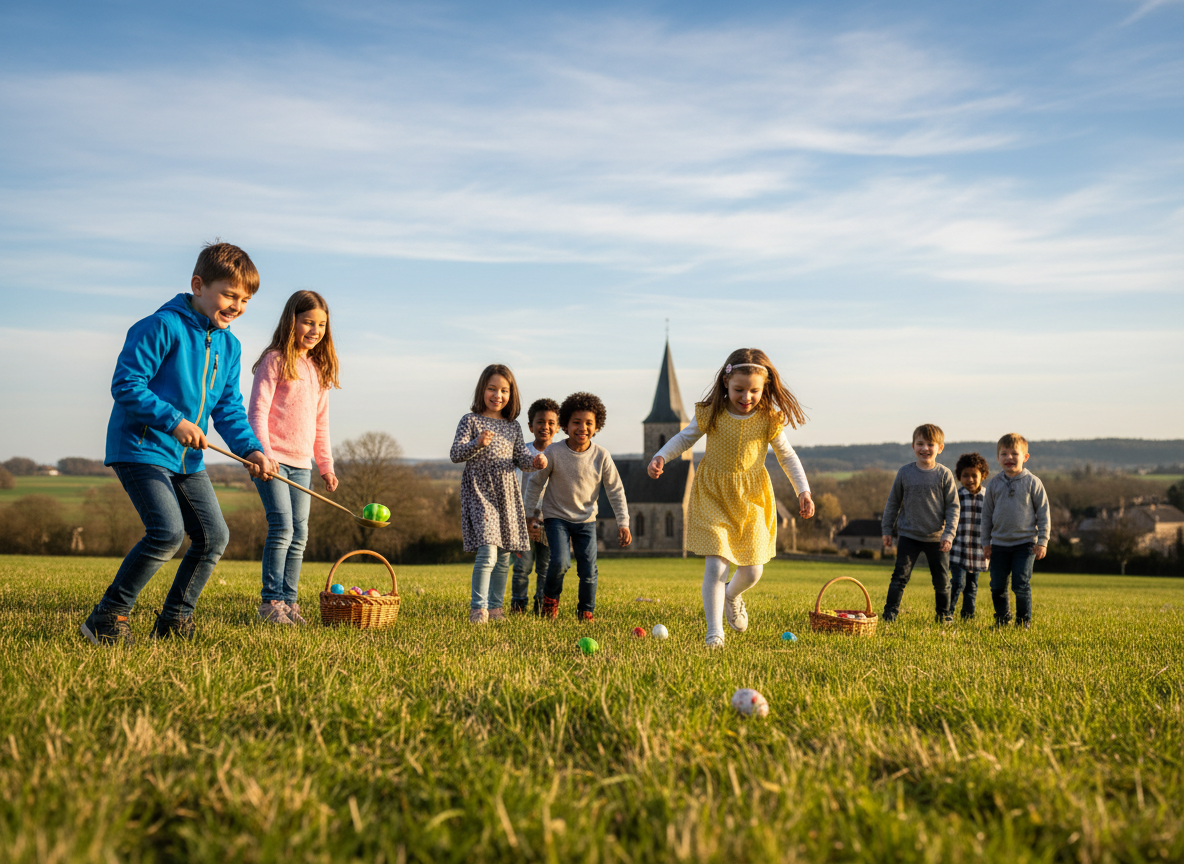
Easter Eggs: Eggs have been a symbol of new life and rebirth for thousands of years, long before Christianity. Imagine an egg: it looks like a stone, but inside, a new life is waiting to hatch! This made it a perfect symbol for the Christian belief in resurrection. In many cultures, people would decorate eggs in spring to celebrate new beginnings. The tradition of coloring eggs became very popular, and today, we still enjoy decorating them, having egg hunts, and even rolling them down hills!
Easter Bunny: The Easter Bunny tradition actually started in Germany. The 'Osterhase' (Easter Hare) was first mentioned in writings in the 1600s. Hares and rabbits are known for having many babies in the spring, making them strong symbols of fertility and new life. German immigrants brought the tradition of the Easter Bunny to America in the 1700s, and it quickly became a beloved part of Easter celebrations, bringing eggs and treats to good children.
Global Easter Traditions: How the World Celebrates
Easter is celebrated in many different ways around the globe, each with its own unique customs and flavors!
In Greece, people play a game called 'tsougrisma' where they tap red-dyed eggs against each other. The person whose egg cracks another's is said to have good luck!
In France, a giant omelet is made in the town of Haux with over 5,000 eggs to feed the community on Easter Monday.
In Norway, it's popular to read crime novels and watch detective shows during Easter, a tradition known as 'Påskekrim' (Easter crime).
In Poland, 'Smigus-Dyngus' is celebrated on Easter Monday, where people playfully sprinkle water on each other, symbolizing purification.
In Australia, because rabbits are considered pests, many people celebrate with the 'Easter Bilby' instead of the Easter Bunny. The bilby is a native Australian marsupial!
These are just a few examples of how diverse and wonderful Easter celebrations can be, showing how cultures adapt and make the holiday their own.
The Sweet Side of Easter: Treats and Feasts!
No holiday is complete without delicious food, and Easter is certainly no exception! While chocolate eggs and bunnies are popular everywhere, many countries have special traditional treats.
Hot Cross Buns: These sweet, spiced buns with a cross on top are a classic Easter treat, especially in the UK and other Commonwealth countries. The cross is said to symbolize the crucifixion.
Simnel Cake: Another British tradition, this fruitcake has a layer of marzipan (an almond paste) in the middle and 11 or 12 marzipan balls on top, representing the apostles (minus Judas).
Pashka and Kulich: In Eastern European countries like Russia, a rich cheesecake-like dessert called Pashka and a tall, cylindrical sweet bread called Kulich are traditional Easter foods.
Lamb: Roast lamb is a traditional Easter meal in many cultures, symbolizing sacrifice and new life.
These special foods add to the festive spirit and are a wonderful way for families to come together and celebrate.
We hope you've enjoyed learning these amazing facts about Easter! It's truly a holiday rich in history, culture, and meaning. If you're curious to explore more of Easter's wonderful symbols, why not try coloring some free Easter pages? You can print them out or color them online right here!
Educational Standards & Fact-Checking
Reviewed by KidsColouring Editorial Team
Educational References & Scientific Sources
Our curriculum and factual articles are synthesized from trusted academic encyclopedias, wildlife conservation bodies, and public science institutions:
- •Smithsonian Institution Educational Resources & National Zoo Archives — Smithsonian Institution
- •National Geographic Kids Science & Animal Encyclopedias — National Geographic Society
- •Encyclopaedia Britannica Academic & Elementary Learning Reference — Encyclopaedia Britannica


