
Indian Independence Day: A Journey of Freedom for Kids at a Glance
Topic Focus
Indian Independence Day: A Journey of Freedom for Kids
Learning Level
Ages 4–10 (Preschool to Grade 4)
Subject Area
Country Facts
Format
Verified Fun Facts & Guided Exploration
Indian Independence Day: Celebrating a Nation's Freedom
Imagine a time when a big, beautiful country like India wasn't in charge of itself. For many, many years, India was governed by a faraway land. But on August 15th, 1947, something truly amazing happened: India became independent! This day is now celebrated as Indian Independence Day, a time of great joy and pride for everyone in India and for people of Indian heritage around the world.
This special day marks the moment India gained its freedom from British rule, after a long and peaceful struggle led by incredible leaders. It’s a day to remember the bravery, wisdom, and determination of millions of people who dreamed of a free India. Let's journey back in time and discover why Indian Independence Day is such an important and vibrant celebration!
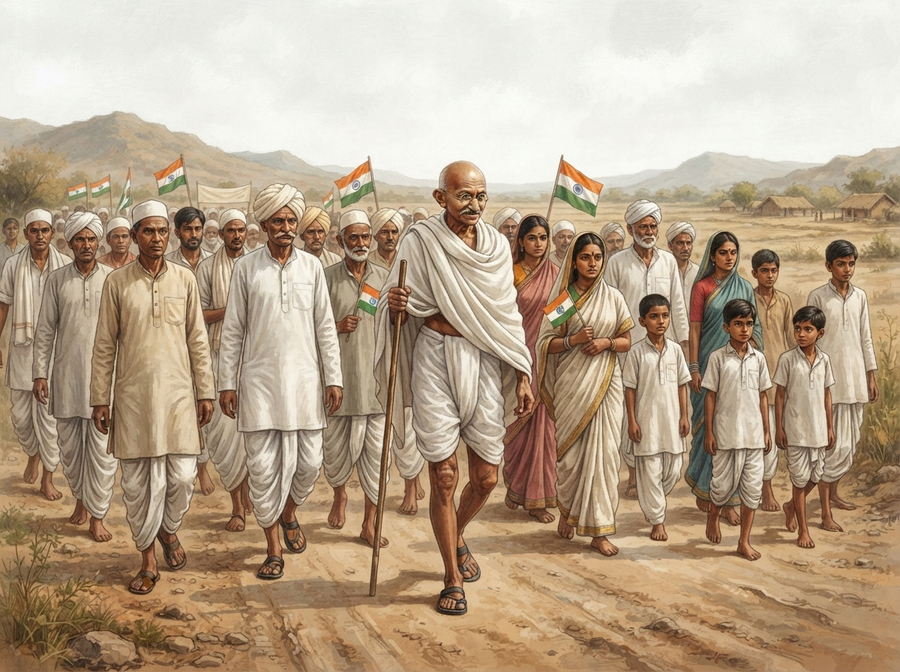
Independence Day is a time to remember the heroes who dreamed of a free India.
Quick Facts
Celebrated annually on August 15th.
Marks India's freedom from British rule in 1947.
India became an independent nation.
The first Prime Minister was Jawaharlal Nehru.
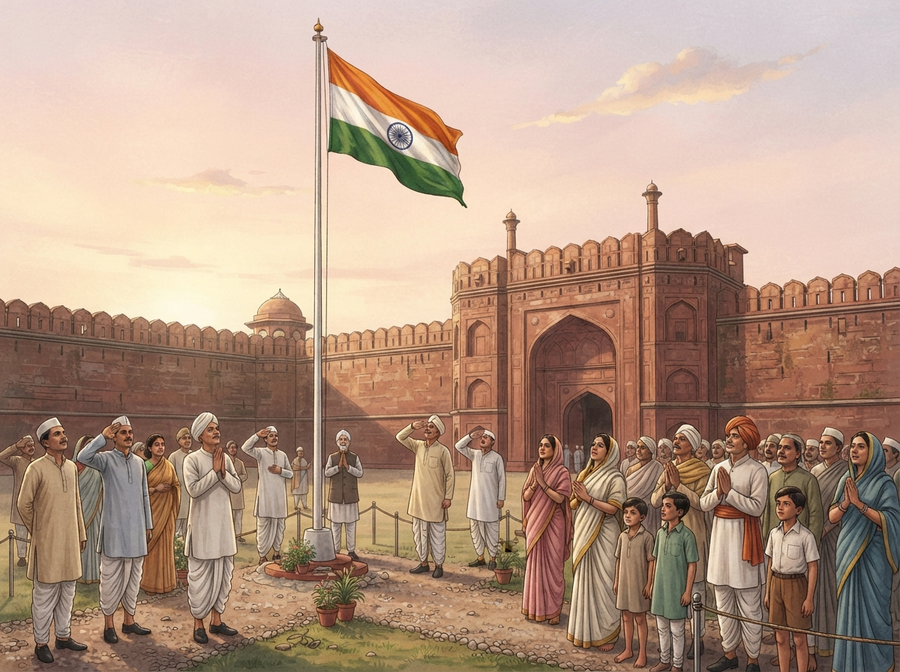
The Indian flag is hoisted at the Red Fort in Delhi.
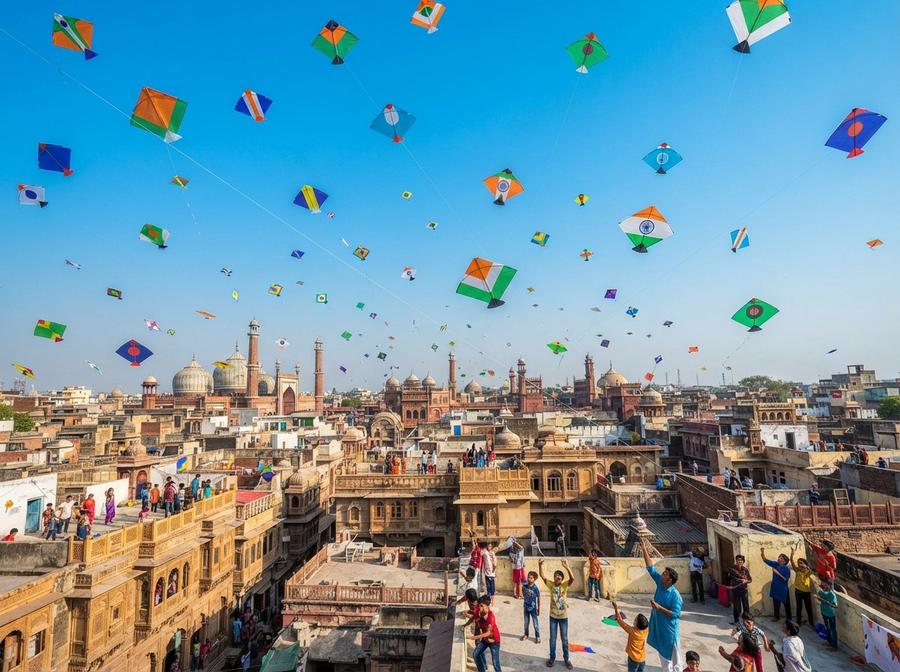
People fly kites, sing patriotic songs, and celebrate with parades.
Mahatma Gandhi was a key leader in the independence movement.
It's a national holiday across India.
What Does 'Independence' Mean?
When we talk about 'independence,' it means being free to make your own choices and govern yourself. Think about when you get to choose your own clothes or decide what game to play – that's a small kind of independence! For a country, independence means having its own government, making its own laws, and managing its own affairs without another country telling it what to do. Before August 15th, 1947, Great Britain ruled India. This period is often called the 'British Raj.'
The people of India wanted to be independent, to have their own leaders who understood India's unique cultures, languages, and needs. This desire for self-rule grew stronger and stronger over many years. It was a dream shared by millions, from farmers in small villages to thinkers in big cities, all hoping for a day when India would be truly free.
The Road to Freedom: Inspiring Leaders
India's journey to independence wasn't easy, but it was incredibly inspiring. Many brave men and women dedicated their lives to this cause. One of the most famous leaders was Mahatma Gandhi. He believed in a powerful idea called 'non-violent resistance,' or 'Satyagraha.' This meant protesting unfair rules peacefully, without fighting or violence. Gandhi encouraged people to:
Refuse to buy British goods.
Make their own clothes (like spinning cotton).
March peacefully to show their disagreement.
Speak up for their rights without anger.
Gandhi's peaceful methods, along with the efforts of many other leaders like Jawaharlal Nehru, Sardar Vallabhbhai Patel, Subhas Chandra Bose, and countless others, slowly but surely showed the world that India deserved its freedom. Their courage and determination eventually convinced the British to grant India its independence.
The Historic Day: August 15th, 1947
Finally, the day arrived! On August 15th, 1947, India officially became an independent nation. At midnight on August 14th, the first Prime Minister of independent India, Jawaharlal Nehru, gave a famous speech known as 'Tryst with Destiny.' In this speech, he spoke about India awakening to freedom after a long period of struggle. It was a moment filled with emotion, hope, and excitement for a new beginning.
On the morning of August 15th, the Indian national flag was hoisted for the first time at the Red Fort in Delhi, a very important historic building. This flag, with its saffron, white, and green stripes and the Ashoka Chakra (a wheel with 24 spokes) in the center, became a symbol of India's new freedom and unity. People cheered, celebrated, and felt immense pride in their newly independent nation.
How India Celebrates Independence Day Today
Indian Independence Day is a grand celebration across the entire country. It's a national holiday, meaning schools, offices, and businesses are closed so everyone can participate. Here are some ways people celebrate:
Flag Hoisting: The Prime Minister hoists the national flag at the Red Fort in Delhi, followed by a speech to the nation. Similar ceremonies happen in schools, government offices, and communities everywhere.
Parades and Cultural Programs: Many cities hold parades showcasing India's rich diversity, with folk dances, music, and displays from different states. Schools often have special events, plays, and singing competitions.
Kite Flying: In many parts of India, especially Delhi, flying colorful kites is a popular tradition on Independence Day. The sky fills with vibrant kites, symbolizing freedom and high spirits.
Patriotic Songs: People sing national anthems and patriotic songs that evoke love for their country.
Family Gatherings: Families often spend the day together, watching the ceremonies on television, sharing special meals, and reflecting on the importance of the day.
It’s a day to remember the past, celebrate the present, and look forward to a bright future for India.
Learning about Indian Independence Day helps us understand the importance of freedom, peace, and unity. If you enjoyed learning about this special day, you might also enjoy coloring some beautiful pictures related to India or its symbols! You can find many free pages to color online or print out.
Educational Standards & Fact-Checking
Reviewed by KidsColouring Editorial Team
Educational References & Scientific Sources
Our curriculum and factual articles are synthesized from trusted academic encyclopedias, wildlife conservation bodies, and public science institutions:
- •Smithsonian Institution Educational Resources & National Zoo Archives — Smithsonian Institution
- •National Geographic Kids Science & Animal Encyclopedias — National Geographic Society
- •Encyclopaedia Britannica Academic & Elementary Learning Reference — Encyclopaedia Britannica


