
How Does Rain Form? The Amazing Journey of Water from Sky to Ground at a Glance
Topic Focus
How Does Rain Form? The Amazing Journey of Water from Sky to Ground
Learning Level
Ages 4–10 (Preschool to Grade 4)
Subject Area
Science Facts
Format
Verified Fun Facts & Guided Exploration
How Does Rain Form? Unraveling the Mystery of Raindrops
Have you ever looked up at the sky on a cloudy day and wondered, 'How does rain actually happen?' It's a fantastic question, and the answer involves a magical journey that water takes, all around our planet! From the oceans and lakes to the air above us, and then back down again, water is always on the move in what scientists call the water cycle.
Rain isn't just water falling from the sky; it's a vital part of Earth's system, bringing fresh water for plants, animals, and people. Without rain, our world would be a very different, much drier place. So, let's become weather detectives and explore the incredible steps that turn invisible water vapor into those refreshing drops that patter on our windows and water our gardens!
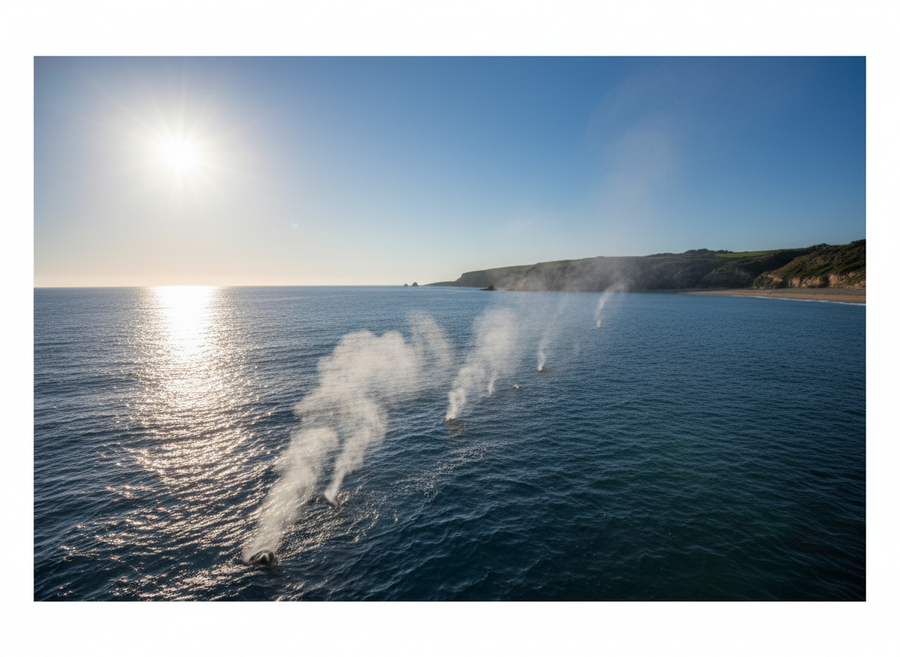
Rain is Earth's way of recycling water, making sure every living thing gets a fresh drink!
Quick Facts
Rain is a key part of the Earth's water cycle.
The sun's energy powers the water cycle.
Water changes from liquid to gas (vapor) through evaporation.
Clouds are made of tiny water droplets or ice crystals.
Raindrops form when these tiny droplets or crystals grow heavy enough to fall.
Different types of rain exist, like drizzle, showers, and thunderstorms.
Rain helps plants grow and refills rivers and lakes.
Step 1: Evaporation – Water Takes Flight!
The first big step in making rain is called evaporation. Think about a puddle on a sunny day. After a while, it disappears, right? That's evaporation in action! The sun's warmth gives energy to the water molecules in oceans, lakes, rivers, and even puddles. This energy makes the water molecules move faster and faster until they break free from the liquid water and turn into an invisible gas called water vapor. This water vapor then floats up into the sky.
You can't see water vapor, but it's all around us! It's like when you boil water in a kettle and see steam; that's water vapor (though the white 'steam' you see is actually tiny water droplets formed when the vapor cools slightly). So, the sun is like a giant hairdryer, gently lifting water from the Earth's surface and sending it on its way to become rain.
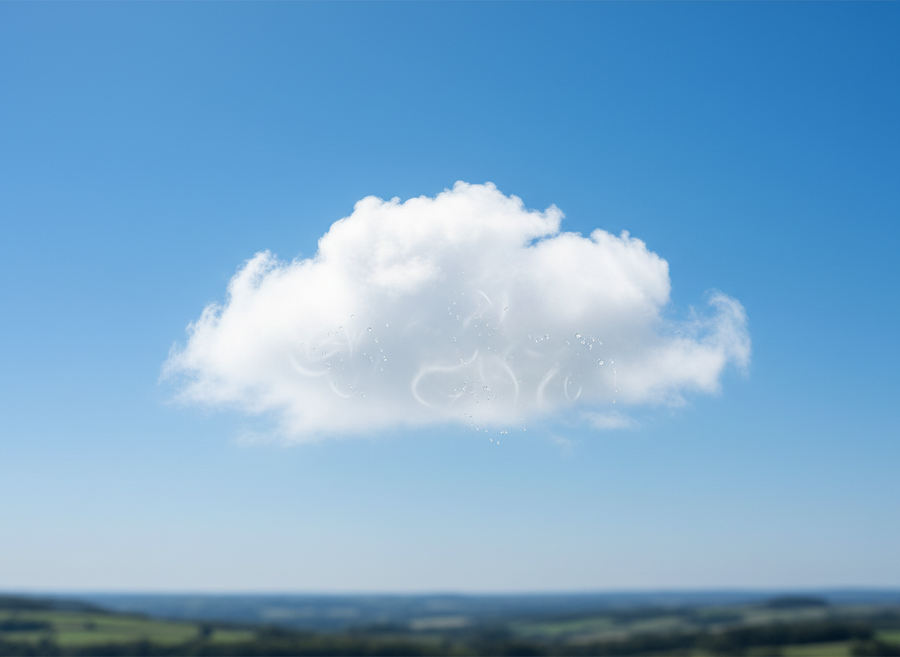
Step 2: Condensation – Clouds Begin to Form
As the water vapor rises higher and higher into the atmosphere, something important happens: it gets colder. The higher you go, the cooler the air. When the warm, moist water vapor meets this cold air, it starts to cool down too. As it cools, the water vapor changes back from a gas into tiny, tiny liquid water droplets or even tiny ice crystals. This process is called condensation.
Imagine a cold glass of water on a warm day. You might see tiny droplets of water form on the outside of the glass. That's condensation! The warm, moist air around the glass cools when it touches the cold surface, and the water vapor turns back into liquid. In the sky, these tiny water droplets or ice crystals gather together around tiny dust particles, pollen, or salt crystals floating in the air. When billions of these tiny droplets and crystals clump together, they become visible to us as... clouds!
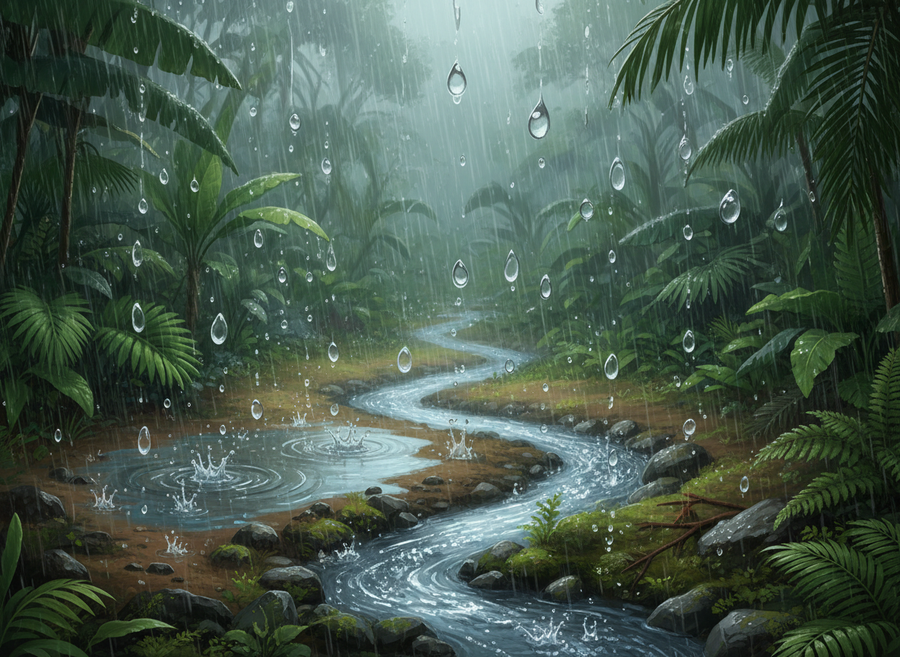
Step 3: Precipitation – When Clouds Get Heavy
Now that we have clouds, how do they turn into rain? Inside a cloud, those tiny water droplets and ice crystals are constantly bumping into each other. They stick together and grow bigger and bigger. Think of it like tiny LEGO bricks building a bigger structure. As they grow, they become heavier. Eventually, they get so heavy that the air can no longer hold them up.
When these water droplets or ice crystals become too heavy, they fall back down to Earth. This is called precipitation. Depending on the temperature of the air as they fall, precipitation can take different forms:
Rain: If the air is above freezing (0°C or 32°F) all the way down, the precipitation falls as liquid rain.
Snow: If the air is freezing all the way down, the ice crystals stay frozen and fall as snowflakes.
Sleet: If snowflakes melt a little on their way down and then refreeze before hitting the ground, they become sleet (tiny ice pellets).
Hail: Sometimes, strong thunderstorms can push raindrops up and down through very cold parts of the cloud, making them freeze into layers of ice, forming hail.
So, rain is just one type of precipitation, but it's the most common way water returns to Earth in many parts of the world.
Step 4: Collection – The Journey Continues
Once the rain falls, where does it go? This is the final stage of the water cycle, called collection. The rainwater can land in many places. Some of it soaks into the ground, becoming groundwater that plants drink up or that flows into underground rivers. Some of it flows over the surface of the land, forming puddles, streams, and rivers, eventually making its way back to lakes and oceans.
This collected water then starts the whole cycle over again! The sun warms the oceans and lakes, causing evaporation, which leads to condensation and cloud formation, then precipitation, and finally collection. It's a continuous, never-ending loop that keeps our planet watered and alive. Every raindrop has been on an amazing journey, and it's ready to start another one soon!
Why is Rain So Important?
Rain is much more than just wet weather; it's essential for life on Earth. Here's why:
Drinking Water: Rain fills up reservoirs and groundwater sources, which are where we get our drinking water.
Plant Growth: Plants need water to grow, and rain provides the natural irrigation for forests, farms, and gardens. Without rain, plants would wither, and we wouldn't have food!
Animal Habitats: Many animals rely on freshwater sources like rivers and lakes, which are replenished by rain.
Temperature Regulation: The water cycle helps regulate Earth's temperature, moving heat around the globe.
Cleaning the Air: As rain falls, it helps wash dust, pollen, and pollutants out of the air, making it cleaner for us to breathe.
The next time you see rain, remember the incredible journey each drop has made from the ocean to the sky and back again. It's a true wonder of nature!
Want to explore more amazing weather phenomena? You can find lots of fun weather-themed coloring pages to print or color online right here!
Educational Standards & Fact-Checking
Reviewed by KidsColouring Editorial Team
Educational References & Scientific Sources
Our curriculum and factual articles are synthesized from trusted academic encyclopedias, wildlife conservation bodies, and public science institutions:
- •Smithsonian Institution Educational Resources & National Zoo Archives — Smithsonian Institution
- •National Geographic Kids Science & Animal Encyclopedias — National Geographic Society
- •Encyclopaedia Britannica Academic & Elementary Learning Reference — Encyclopaedia Britannica


