
Amazing Computer Science Facts for Kids at a Glance
Topic Focus
Amazing Computer Science Facts for Kids
Learning Level
Ages 4–10 (Preschool to Grade 4)
Subject Area
Science Facts
Format
Verified Fun Facts & Guided Exploration
Amazing Computer Science Facts for Kids: Unlocking the Digital World!
Have you ever wondered how your favorite video game works, or how you can talk to a friend who lives far away using a screen? The answer is computer science! It's a super exciting field that helps us understand how computers think, how they're built, and how we can tell them what to do. Think of computer scientists as digital detectives and creative builders, always figuring out new ways for technology to help us learn, play, and connect.
Computers are everywhere, from the tiny smart devices in our pockets to the huge machines that help scientists explore space. But what exactly is a computer? It's not just the screen and keyboard you might be thinking of. At its heart, a computer is a machine that can follow instructions incredibly fast. These instructions are what computer scientists call 'code.' Ready to dive into some awesome facts about this incredible world?
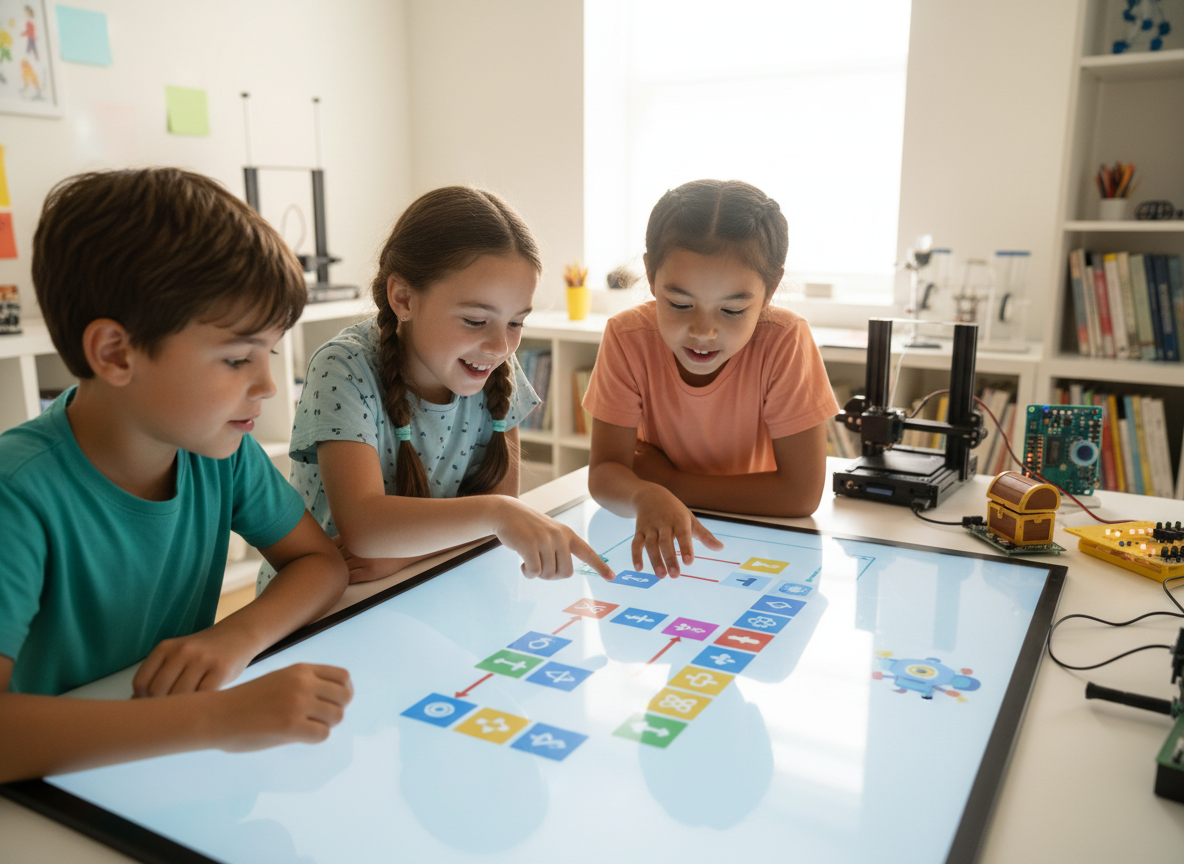
Computers are like super-smart robots that follow our instructions to make amazing things happen!
Quick Facts
The first computer programmer was a woman named Ada Lovelace, over 150 years ago!
Computers understand only two things: on and off, or 1 and 0 (binary code).
The 'mouse' for computers was invented in the 1960s and was originally made of wood.
A 'byte' is a small piece of computer information, like a single letter in a word.
The internet is a giant network of computers all talking to each other.
Computers can perform billions of calculations in just one second.
Before computers, people called 'computers' were humans who did math calculations!
What is Computer Science, Anyway?
Computer science is like the instruction manual for the digital world. It’s the study of computers and computing, including how they work, how we design them, and how we use them to solve problems. It's not just about playing games or watching videos; it's about the brilliant ideas and clever rules that make all those things possible. Imagine you have a complex puzzle. Computer science helps you figure out the best way to put all the pieces together, and even how to make new puzzles!
This field is all about logic, problem-solving, and creativity. People who study computer science learn how to create software (the programs and apps you use), hardware (the physical parts of a computer), and even design entire networks that connect computers all over the world. It’s a bit like being an architect for digital spaces, or an inventor of smart tools.
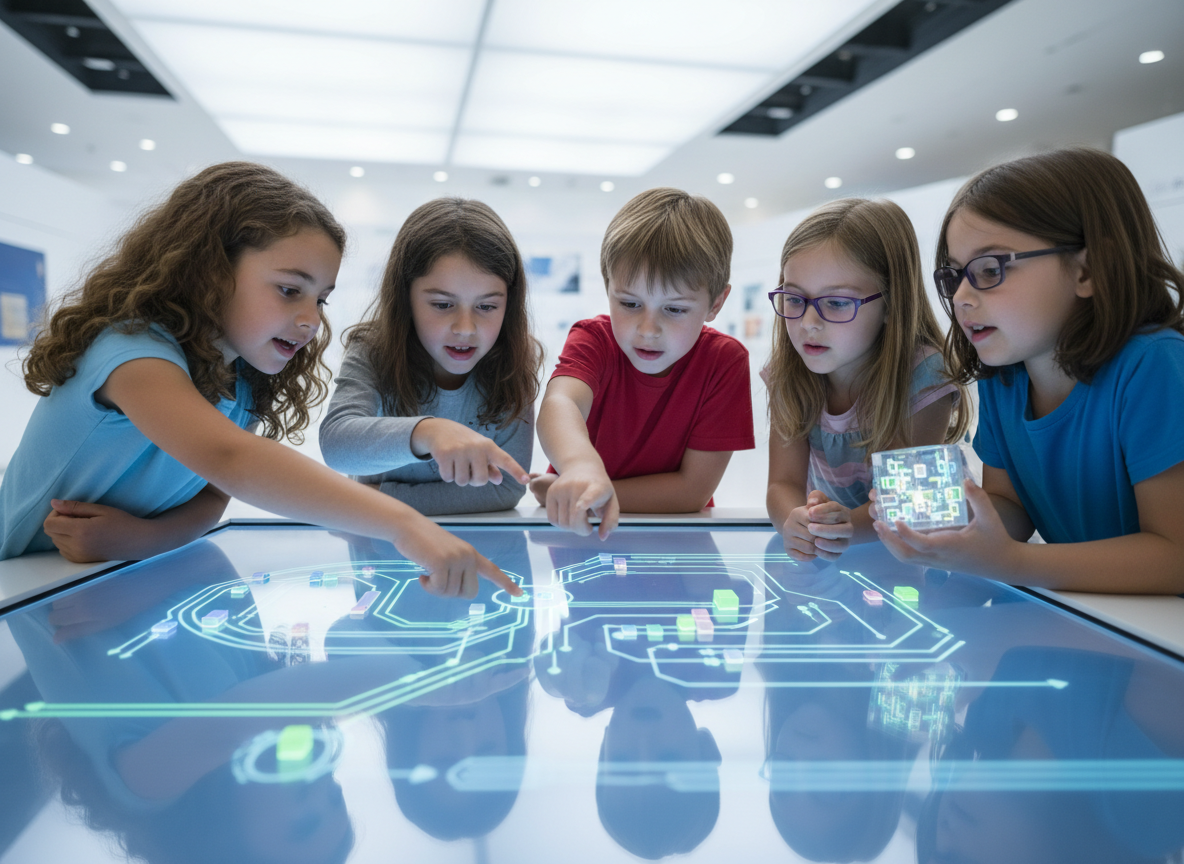
Bits and Bytes: The Secret Language of Computers
Have you ever heard of 'binary code'? It sounds complicated, but it's actually super simple! Computers don't understand words or pictures the way we do. They understand only two things: 'on' or 'off.' We represent these two states with the numbers 1 and 0. This is called binary code. Every letter, every number, every image, and every sound you see or hear on a computer is broken down into long strings of 1s and 0s.
Think of it like a light switch: it's either on or off. A 'bit' is one of these 1s or 0s. It's the smallest piece of information a computer can understand. Eight bits grouped together make a 'byte.' A single letter, like 'A', usually takes up one byte. When you type a whole sentence, the computer is actually storing and processing many, many bytes of information! This amazing system allows computers to store and process huge amounts of data incredibly quickly.
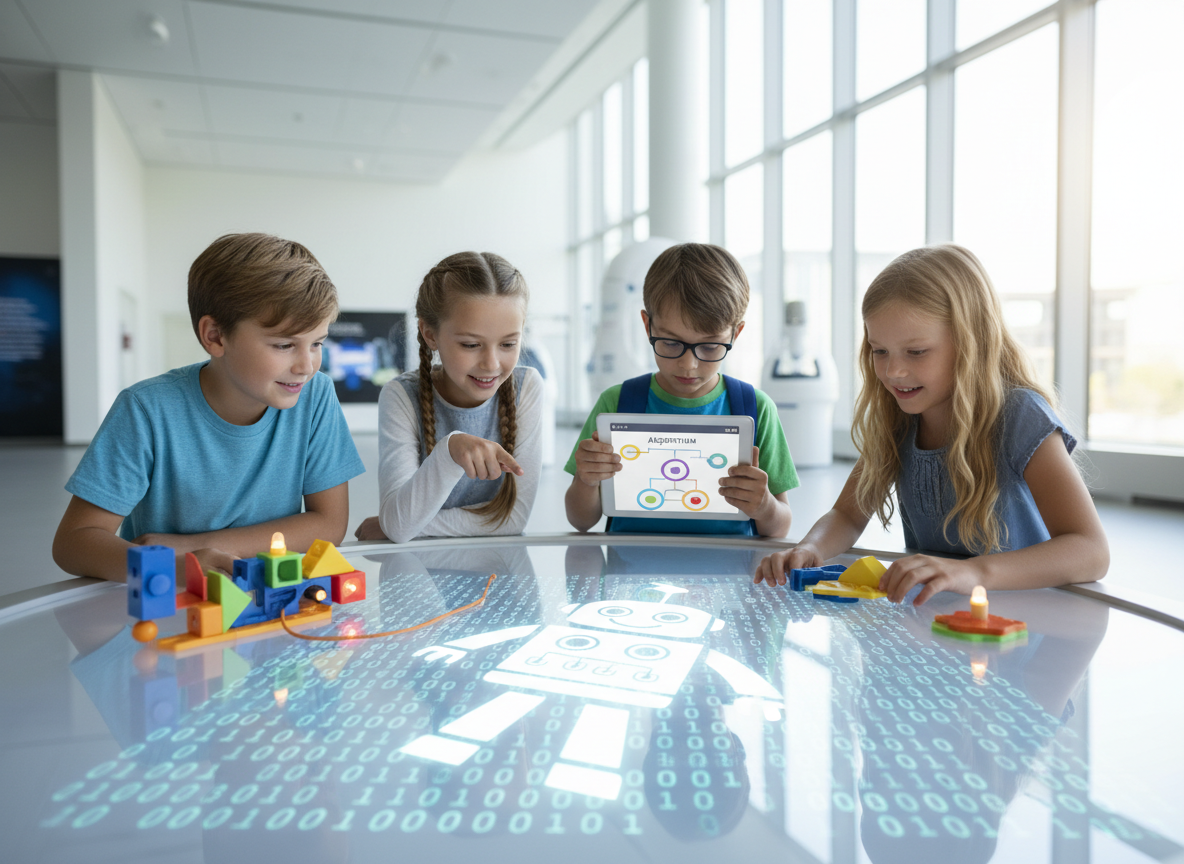
Coding: Talking to Computers
If computers speak in 1s and 0s, how do we tell them what to do? That's where coding, or computer programming, comes in! Coding is like writing a recipe or a set of instructions for a computer. These instructions are written in special languages that humans can understand, and then a computer translates them into those 1s and 0s.
There are many different coding languages, like Python, Scratch, and JavaScript. Each one has its own rules and ways of telling the computer what to do. For example, if you want a character in a game to jump, you'd write a line of code that says something like 'when spacebar pressed, make character jump.' Learning to code is like learning a new language that lets you build your own apps, games, and websites! It's a powerful skill that helps you create and innovate.
The Internet: A Global Web of Information
Imagine if every library in the world, every telephone, and every post office were all connected together. That's a bit like what the internet is! The internet is a massive, global network of computers that allows people to share information, communicate, and interact with each other from almost anywhere on Earth. When you send an email, watch a video online, or look up facts for your homework, you're using the internet.
It's like a superhighway for data, with information traveling as tiny packets from one computer to another, often around the world, in a blink of an eye. This incredible connection has changed how we learn, work, and play, bringing people closer together and making information more accessible than ever before. Without computer science, the internet wouldn't exist!
Beyond the Screen: Computers Everywhere!
When you think of a computer, you probably picture a laptop or a desktop. But computers are much, much more than that! They are hidden in so many devices we use every day. Your smartphone is a powerful computer. Your smart TV, your video game console, and even some refrigerators and cars have computers inside them, helping them to work smarter and more efficiently.
These tiny computers, often called microcontrollers, are programmed to do specific tasks, like turning on the lights when it gets dark, or helping your car brake safely. Computer science is what makes all these 'smart' devices possible, constantly pushing the boundaries of what technology can do to make our lives easier, safer, and more fun. It's an exciting time to be curious about computers!
We hope you've enjoyed learning these amazing computer science facts! If you're curious to explore more, you can color some related pictures online or print them out to continue your digital adventure.
Educational Standards & Fact-Checking
Reviewed by KidsColouring Editorial Team
Educational References & Scientific Sources
Our curriculum and factual articles are synthesized from trusted academic encyclopedias, wildlife conservation bodies, and public science institutions:
- •Smithsonian Institution Educational Resources & National Zoo Archives — Smithsonian Institution
- •National Geographic Kids Science & Animal Encyclopedias — National Geographic Society
- •Encyclopaedia Britannica Academic & Elementary Learning Reference — Encyclopaedia Britannica


