
Why Do Leaves Change Color? Science Facts for Kids at a Glance
Topic Focus
Why Do Leaves Change Color? Science Facts for Kids
Learning Level
Ages 4–10 (Preschool to Grade 4)
Subject Area
Science Facts
Format
Verified Fun Facts & Guided Exploration
Why Do Leaves Change Color? The Amazing Science of Autumn Leaves for Kids
Have you ever looked at a tree in autumn and wondered how its leaves transformed from green to brilliant reds, oranges, and yellows? It's like magic, but it's actually incredible science happening right before your eyes! Every fall, forests around the world put on a spectacular show of color, and it's all thanks to tiny chemicals inside each leaf and the changing seasons.
Understanding why leaves change color helps us appreciate the natural world even more. It's a perfect example of how plants adapt to their environment and prepare for winter. Let's embark on a colorful adventure to uncover the secrets behind this beautiful seasonal transformation!
Autumn leaves are nature's way of painting the world before winter's quiet sleep.
Quick Facts
Leaves are like tiny food factories for trees.
Chlorophyll is the green pigment that helps leaves make food.
Sunlight is essential for chlorophyll to do its job.
As days get shorter, trees know winter is coming.
Other hidden colors like yellow and orange are always in the leaves.
Red and purple colors are made fresh in the fall.
After changing color, leaves fall off to help the tree save energy.
The Green Machine: What is Chlorophyll?
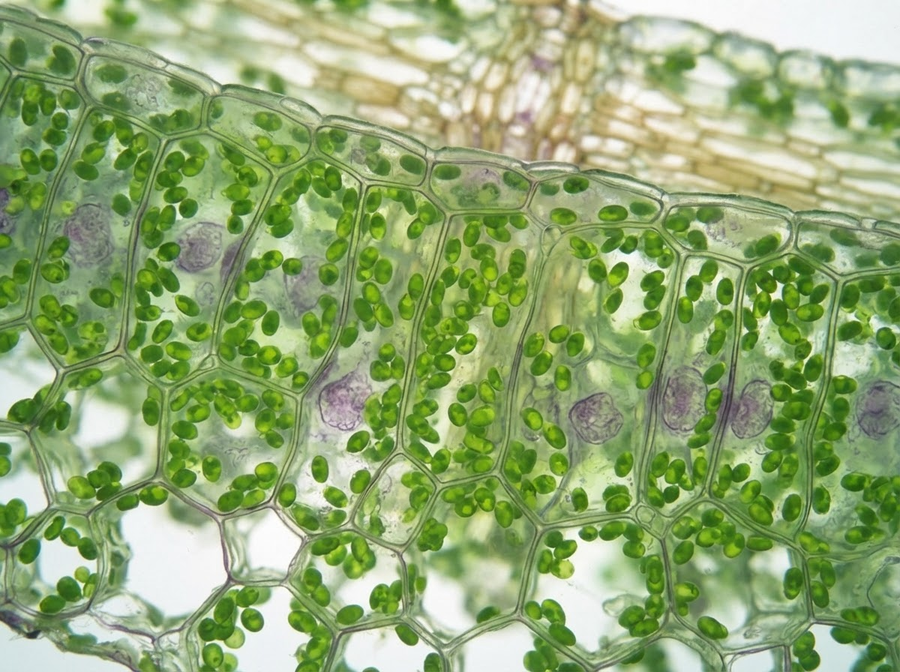
To understand why leaves change color, we first need to talk about chlorophyll. Think of chlorophyll as the leaf's chief chef, and it's also what gives leaves their green color! This amazing green pigment is super important because it helps the plant make its own food using sunlight. This process is called photosynthesis.
During spring and summer, there's plenty of sunlight, and the trees are busy making lots of chlorophyll. This means the leaves are constantly green and working hard to produce sugars that feed the tree and help it grow bigger and stronger. Chlorophyll is so powerful that it covers up all the other colors that are also hiding in the leaf.
Sunlight, Shorter Days, and Sleeping Trees
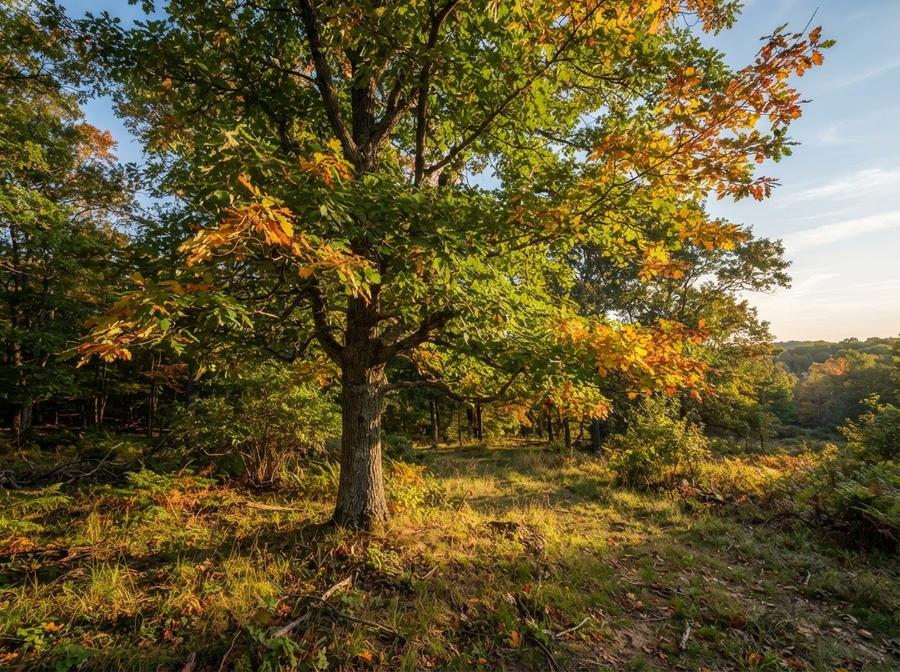
As summer ends and autumn begins, something very important happens: the days get shorter, and there's less sunlight. Trees are very smart and can sense these changes. They know that cold winter weather is on its way, and it will be much harder to make food when there's less sun and temperatures drop. So, trees start to prepare for a long winter nap.
To get ready, trees begin to shut down their food-making factories. They stop producing new chlorophyll, and the chlorophyll that's already in the leaves starts to break down. Imagine a chef going on vacation and leaving the kitchen! As the green chlorophyll disappears, it's like a curtain being pulled back, revealing the other beautiful colors that have been there all along, just waiting for their turn to shine.
The Hidden Colors: Yellows and Oranges
So, what are these hidden colors? They are pigments called carotenoids. You've seen carotenoids before, even if you didn't know their name! They are the pigments that make carrots orange, corn yellow, and bananas yellow. These yellow and orange colors are present in the leaves all summer long, but the strong green of the chlorophyll usually hides them.
When the chlorophyll fades away in the fall, the carotenoids finally get their chance to be seen. That's why many leaves turn bright yellow or cheerful orange. These pigments aren't working to make food like chlorophyll; they're just there, waiting to show off their vibrant hues when autumn arrives.
The Special Reds and Purples: Anthocyanins
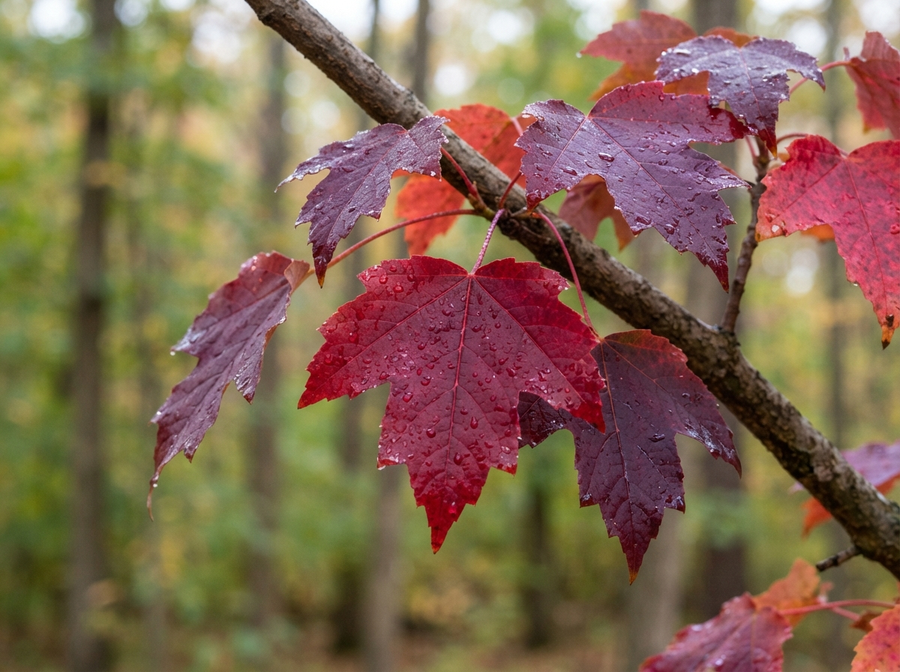
But what about the brilliant reds, purples, and even some deep browns? These colors are a bit different. They come from pigments called anthocyanins. Unlike carotenoids, anthocyanins are not usually present in the leaves during the summer. Instead, they are made fresh in the fall!
Anthocyanins are produced when sugars get trapped in the leaves after the chlorophyll starts to break down. If the autumn days are sunny and cool, with chilly nights, these conditions are perfect for making lots of anthocyanins. That's why some years have more spectacular red and purple leaves than others. It's all about the weather combination!
Sunny days: Help leaves make more sugar.
Cool nights: Keep the sugar trapped in the leaves.
Moisture: Enough water helps the process.
These beautiful red and purple colors might also help protect the leaves from too much sunlight as they are slowly dying, allowing the tree to take back valuable nutrients before the leaf falls off.
Why Do Leaves Fall Off?
After the leaves have shown off all their amazing colors, they eventually fall off the tree. This is another important part of the tree's preparation for winter. When it gets very cold, water can freeze, and it's hard for trees to get enough water through their roots. Leaves are constantly losing water through tiny pores, so by shedding their leaves, trees conserve water and energy during the harsh winter months.
Before a leaf falls, the tree creates a special layer of cells at the base of the leaf stem. This layer slowly cuts off the water supply to the leaf and helps it detach cleanly. Once the leaves are gone, the tree can rest and wait for spring to arrive, when new buds will form, and the cycle of green, color, and fall will begin all over again!
Educational Standards & Fact-Checking
Reviewed by KidsColouring Editorial Team
Educational References & Scientific Sources
Our curriculum and factual articles are synthesized from trusted academic encyclopedias, wildlife conservation bodies, and public science institutions:
- •Smithsonian Institution Educational Resources & National Zoo Archives — Smithsonian Institution
- •National Geographic Kids Science & Animal Encyclopedias — National Geographic Society
- •Encyclopaedia Britannica Academic & Elementary Learning Reference — Encyclopaedia Britannica


