
Amazing Dog Facts for Kids: Uncovering Your Best Friend's Secret Life! at a Glance
Topic Focus
Amazing Dog Facts for Kids: Uncovering Your Best Friend's Secret Life!
Learning Level
Ages 4–10 (Preschool to Grade 4)
Subject Area
Animal Facts
Format
Verified Fun Facts & Guided Exploration
Amazing Dog Facts for Kids: Uncovering Your Best Friend's Secret Life!
Have you ever wondered what your dog is really thinking? Or how they can hear the treat bag crinkle from across the house? Dogs are not just furry friends; they are incredibly fascinating creatures with a secret life full of amazing abilities and a long history alongside humans. From their super sniffers to their wagging tails, every part of a dog tells a story.
Get ready to become a dog detective! In this article, we'll explore some of the most incredible facts about our canine companions. We'll discover how they see the world, how they communicate with us, and what makes them such special members of our families. Let's dig in and learn all about the wonderful world of dogs!
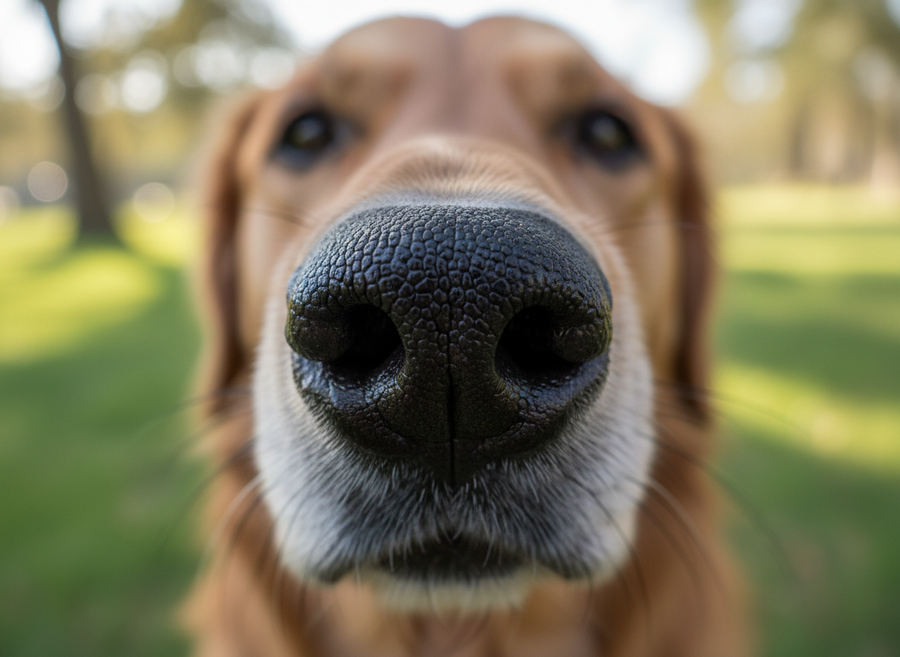
Dogs don't just live in our homes; they live in our hearts and have an amazing secret life all their own!
Quick Facts
Dogs can smell things 10,000 to 100,000 times better than humans!
A dog's nose print is as unique as a human's fingerprint.
Dogs dream, just like us! You might see their paws twitching while they sleep.
The average dog can run about 19 miles per hour (30 km/h).
Dogs have about 10 different types of barks.
The Basenji dog breed cannot bark, but they can yodel!
Dogs can be trained to detect diseases like cancer and diabetes in humans.
Puppies are born blind and deaf, with their eyes and ears sealed shut.
Super Senses: How Dogs Experience the World
Dogs experience the world in ways that are very different from us, mostly thanks to their incredible senses. While our best sense is often our sight, for dogs, it's all about smell and hearing!
The Power of the Nose
Imagine being able to smell a single drop of liquid in an Olympic-sized swimming pool – that's how powerful a dog's nose can be! Dogs have up to 300 million olfactory receptors in their noses, while humans only have about 6 million. This means they can pick up scents we can't even imagine. Their noses are so sensitive that they can:
Follow a scent trail that's days old.
Smell different ingredients in a meal.
Even detect changes in a person's body chemistry, which helps them sniff out illnesses or stress.
When your dog sniffs around, they're gathering a ton of information about their surroundings, other animals, and even you!
Ears that Hear it All
Dogs can hear sounds at much higher frequencies than humans, and they can hear sounds from much farther away. While humans can typically hear sounds up to 20,000 Hertz, dogs can hear up to 45,000 Hertz or even more! They also have about 18 muscles in their ears, allowing them to tilt, rotate, and move their ears independently to pinpoint the exact direction of a sound. This is why your dog might perk up their ears and look towards the window before you even hear the mail carrier approaching!

A Tail of Communication: What Your Dog is Telling You
Dogs can't use words like we do, but they are masters of communication! They use their bodies, sounds, and even their eyes to tell us how they're feeling and what they want. Learning their 'language' can help you understand your furry friend even better.
Body Language Basics
A dog's tail is like a mood meter! Here's what different tail wags might mean:
High and fast wag: Often means happiness and excitement.
Low and slow wag: Can mean uncertainty or submission.
Tail tucked between legs: Usually indicates fear or anxiety.
Stiff, high tail: Might signal alertness or even aggression.
But it's not just the tail! A dog's whole body speaks volumes. A relaxed dog will have soft eyes, a loose body, and a gently wagging tail. A scared dog might crouch low, avoid eye contact, and even yawn repeatedly. Learning these signals helps you respond to your dog's needs and build a stronger bond.
Barks, Growls, and Whimpers
Dogs also use a variety of sounds to communicate. A happy bark might be short and playful, while a warning bark can be deep and repetitive. Growls aren't always a sign of aggression; sometimes a playful growl means 'let's wrestle!' Whimpers or whines often signal that a dog needs something, like attention, food, or to go outside. By paying attention to the context and their body language, you can start to understand what each sound means.

From Wild Wolves to Best Friends: The History of Dogs
It might be hard to believe, but all the different types of dogs we see today – from tiny Chihuahuas to giant Great Danes – are descended from ancient wolves! This amazing journey from wild animal to beloved pet is one of the most incredible stories in the animal kingdom.
The Domestication Journey
Scientists believe that dogs were the very first animals to be domesticated by humans, possibly as far back as 15,000 to 40,000 years ago! Early humans and wolves began to form a special relationship. Wolves that were less fearful of humans might have scavenged for food near human settlements. Over many, many generations, these wolves gradually became tamer and more accustomed to people.
Humans probably found these early dogs helpful for many tasks:
Hunting: Dogs could help track and corner prey.
Protection: Their keen senses warned humans of danger.
Companionship: They offered warmth and comfort.
This special partnership benefited both humans and dogs, leading to the strong bond we share today.
Amazing Dog Jobs: More Than Just Pets!
While many dogs are cherished family pets, countless others have important jobs that help humans in incredible ways. These working dogs are highly trained and dedicated to their tasks, showing just how smart and versatile dogs can be.
Heroes with Paws
Some of the most well-known working dogs include:
Service Dogs: These dogs help people with disabilities. Guide dogs lead the visually impaired, hearing dogs alert the deaf to sounds, and medical alert dogs can even detect low blood sugar or an oncoming seizure.
Search and Rescue Dogs: With their amazing sense of smell, these dogs can find people lost in the wilderness, trapped under rubble after disasters, or even underwater.
Police and Military Dogs: These brave dogs assist law enforcement and soldiers by detecting explosives or drugs, tracking suspects, and protecting their handlers.
Therapy Dogs: These gentle dogs visit hospitals, nursing homes, and schools to provide comfort and companionship, helping people feel happier and less stressed.
Every wag of a working dog's tail often means they're doing something truly special to make the world a better place.
The Dog-Human Bond: Why They're Our Best Friends
There's a reason dogs are often called 'man's best friend.' The special connection between humans and dogs is unique in the animal kingdom. It's a bond built on trust, understanding, and unconditional love.
More Than Just a Pet
When you interact with a dog, interesting things happen in your brain! Studies show that petting a dog can:
Reduce stress and lower blood pressure.
Release 'feel-good' hormones like oxytocin in both humans and dogs.
Increase feelings of happiness and well-being.
Dogs seem to understand human emotions, often comforting us when we're sad or celebrating with us when we're happy. They learn our routines, recognize our voices, and develop deep attachments to their human families. This deep connection makes dogs not just pets, but true members of our families, bringing joy, laughter, and endless loyalty into our lives.
Now that you've learned so many amazing facts about dogs, why not celebrate these wonderful animals by coloring some fantastic dog pictures? You can find lots of free dog coloring pages to print or color online right here!
Educational Standards & Fact-Checking
Reviewed by KidsColouring Editorial Team
Educational References & Scientific Sources
Our curriculum and factual articles are synthesized from trusted academic encyclopedias, wildlife conservation bodies, and public science institutions:
- •Smithsonian Institution Educational Resources & National Zoo Archives — Smithsonian Institution
- •National Geographic Kids Science & Animal Encyclopedias — National Geographic Society
- •Encyclopaedia Britannica Academic & Elementary Learning Reference — Encyclopaedia Britannica


