
Amazing Mouse Facts for Kids at a Glance
Topic Focus
Amazing Mouse Facts for Kids
Learning Level
Ages 4–10 (Preschool to Grade 4)
Subject Area
Animal Facts
Format
Verified Fun Facts & Guided Exploration
Amazing Mouse Facts: Discover the World of These Tiny Rodents
Have you ever seen a tiny, quick blur darting across the floor or heard a little squeak in the distance? Chances are, you've encountered a mouse! These small mammals are some of the most common creatures on Earth, living in almost every corner of the world where humans live. They might be tiny, but mice are incredibly fascinating animals with special abilities and interesting behaviors that help them survive.
Mice are often misunderstood, sometimes seen as pests, but they play important roles in ecosystems and are even studied by scientists to learn more about health and biology. From their whiskers that help them 'see' in the dark to their lightning-fast reflexes, there's a lot to learn about these clever creatures. Let's dive into the amazing world of mice and uncover some incredible facts!
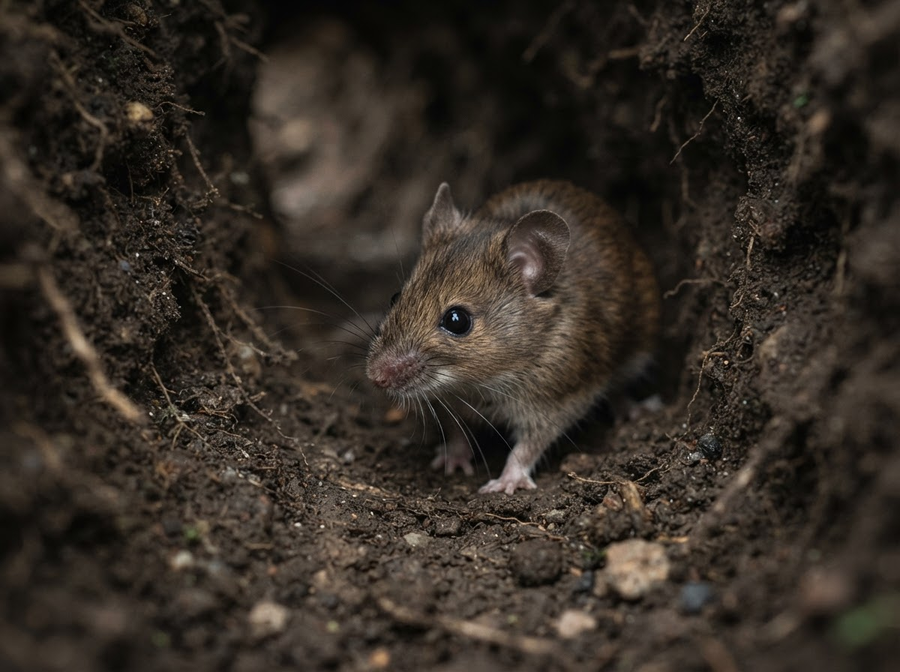
Mice may be small, but their senses are super-sized, helping them explore the world!
Quick Facts
Mice are mammals, just like humans, cats, and dogs.
Their teeth grow constantly, so they must gnaw to keep them short.
Mice are mostly nocturnal, meaning they are active at night.
They have excellent senses of smell, hearing, and touch.
A female mouse can have many babies (pups) in a single litter.
Mice are omnivores, eating both plants and sometimes small insects.
They can squeeze through very tiny openings, sometimes as small as a dime!
The house mouse is the most common type of mouse found worldwide.
What Makes a Mouse a Mouse? (Their Amazing Bodies)
Mice are tiny creatures, usually weighing less than an ounce and measuring just a few inches long, not including their tails. Their bodies are perfectly designed for their lifestyle. They have small, rounded ears, pointy snouts, and long, thin tails. Their fur can be different colors, but it's often brown, gray, or black, helping them blend into their surroundings.
One of the most remarkable things about a mouse's body is its teeth. Like other rodents, mice have incisors (front teeth) that never stop growing! To keep them from getting too long, mice constantly gnaw on things. This is why you might see chew marks on wood or other materials if mice are around. Their paws are also special; they have five toes on their back feet and four on their front feet, perfect for gripping and climbing.
Their tails are also very important! A mouse's tail helps it balance, especially when climbing or running across narrow spaces. It can also help regulate their body temperature, acting a bit like a radiator to release heat when they get too warm.
Super Senses: How Mice Explore Their World
Imagine trying to find your way in the dark. Mice do this every night! They have incredible senses that help them navigate their world, especially when it's dark. While their eyesight isn't the best, they make up for it with super-sensitive hearing, smell, and touch.
Hearing: Mice can hear sounds at very high frequencies, much higher than humans can. This helps them detect predators like owls or cats from far away.
Smell: Their sense of smell is incredibly powerful. They use it to find food, recognize other mice, and even detect danger. They leave scent trails for other mice to follow.
Touch (Whiskers!): A mouse's whiskers, called vibrissae, are like tiny antennae. They are highly sensitive and help mice feel their way around in the dark. As they move, their whiskers constantly twitch, touching surfaces and sending messages to their brains about their surroundings. This is how they 'see' in the dark!
These amazing senses allow mice to find food, build nests, and avoid danger, even in places where light is scarce. (Image: A close-up, naturalistic shot of a field mouse twitching its whiskers in a dimly lit tunnel, highlighting its sensory perception)
Where Do Mice Live? Habitats and Homes
Mice are found almost everywhere on Earth, from bustling cities to quiet farmlands. They are incredibly adaptable creatures, meaning they can adjust to many different environments. The most common type, the house mouse, often lives very close to humans, sometimes even in our homes!
Wild mice, like the deer mouse or the field mouse, prefer to live outdoors. They build nests in cozy, hidden places like under rocks, in hollow logs, or in burrows they dig underground. These nests are made from soft materials like grass, leaves, feathers, and even bits of fabric they find. The nests provide a safe, warm place to sleep, raise their young, and store food.
Indoors, mice will find similar sheltered spots. They might make a nest in a wall, an attic, or even behind furniture. Anywhere that offers warmth, protection, and access to food is a potential mouse home. They are very good at finding tiny cracks and holes to squeeze through to get to these safe spots.
What Do Mice Eat? A Diverse Diet
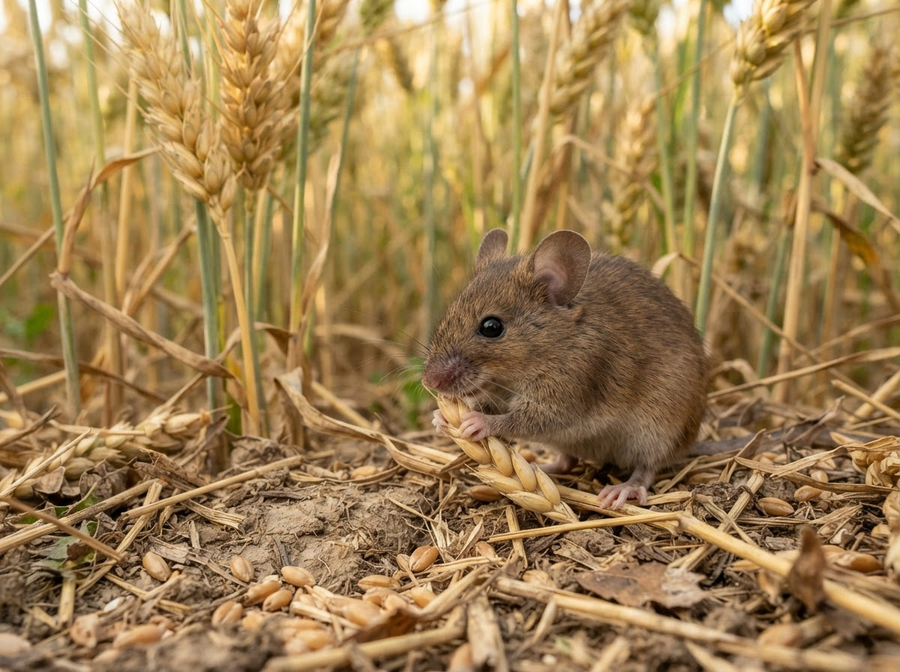
Mice are omnivores, which means they eat both plants and animals. However, their diet mostly consists of plant materials. In the wild, they love to munch on seeds, grains, fruits, and roots. They are also known to eat insects, such as beetles or caterpillars, if they can catch them.
When mice live near humans, their diet can become even more varied. They will eat almost any human food they can find, especially grains, cereals, and baked goods. This is why it's important to store food in sealed containers to keep mice from getting to it. They are also very good at finding crumbs and small dropped pieces of food. (Image: A naturalistic scene of a small mouse carefully nibbling on a fallen grain of wheat in a field)
Mice often collect and store food in their nests, creating a pantry for times when food might be scarce. This behavior helps them survive through colder months or when food sources are harder to find.
Mouse Families: Growing Up Fast!
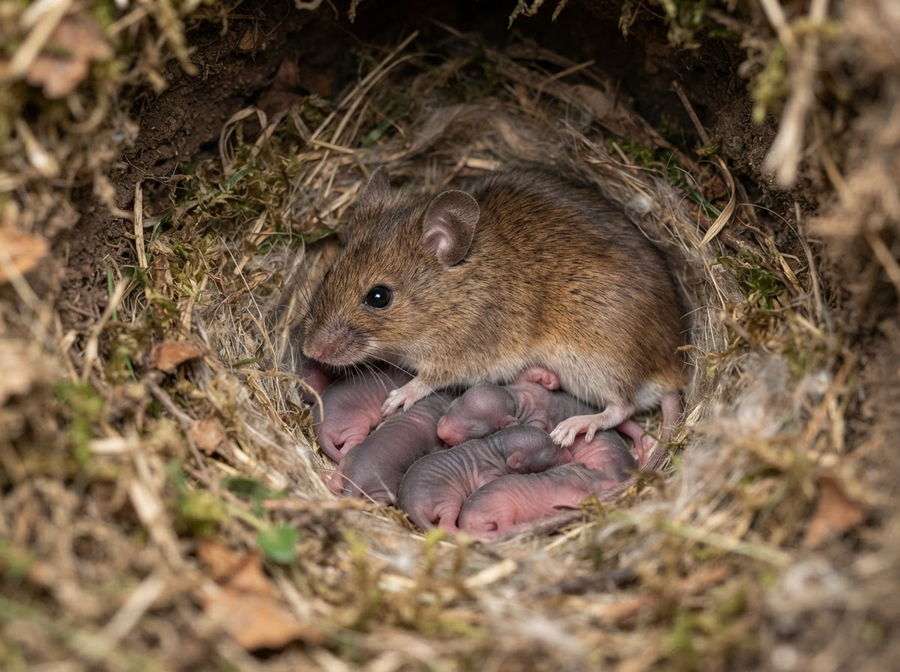
Mice are known for how quickly they reproduce. A female mouse can have several litters of babies (called pups) in a single year. Each litter can have anywhere from 5 to 10 pups! These pups are born tiny, blind, and without fur, completely dependent on their mother.
However, they grow up very quickly! In just a few weeks, their eyes open, they start to grow fur, and they begin to explore outside the nest. By the time they are about three weeks old, they are usually weaned (meaning they stop drinking their mother's milk) and can start eating solid food. By six to eight weeks old, they are ready to have their own babies.
This rapid growth and reproduction rate is one reason why mice are so common. It helps ensure that even with predators and other dangers, there will always be plenty of mice in the world. (Image: A mother mouse nestled in a soft, natural nest with several tiny, newborn pups huddling close to her)
Mice are truly amazing creatures with incredible adaptations that allow them to thrive in many different environments. Learning about them helps us appreciate the diversity of life on our planet. If you'd like to explore the world of mice even more, you can find free mouse coloring pages to print or color online right here!
Educational Standards & Fact-Checking
Reviewed by KidsColouring Editorial Team
Educational References & Scientific Sources
Our curriculum and factual articles are synthesized from trusted academic encyclopedias, wildlife conservation bodies, and public science institutions:
- •Smithsonian Institution Educational Resources & National Zoo Archives — Smithsonian Institution
- •National Geographic Kids Science & Animal Encyclopedias — National Geographic Society
- •Encyclopaedia Britannica Academic & Elementary Learning Reference — Encyclopaedia Britannica


