
Amazing Elephant Facts for Kids: Discover the Gentle Giants! at a Glance
Topic Focus
Amazing Elephant Facts for Kids: Discover the Gentle Giants!
Learning Level
Ages 4–10 (Preschool to Grade 4)
Subject Area
Animal Facts
Format
Verified Fun Facts & Guided Exploration
Amazing Elephant Facts for Kids: Discover the Gentle Giants!
Welcome, young explorers, to the incredible world of elephants! These magnificent creatures are not just the biggest animals walking on land; they are also some of the most intelligent, social, and gentle beings on our planet. From their enormous ears to their powerful trunks, every part of an elephant tells a fascinating story.
Have you ever wondered how an elephant drinks water or why they have such wrinkly skin? Or perhaps you've heard about their amazing memories and how they care for each other in their herds? Get ready to embark on an exciting journey to discover what makes elephants truly special. We'll explore their unique bodies, their family lives, and the important role they play in the wild.
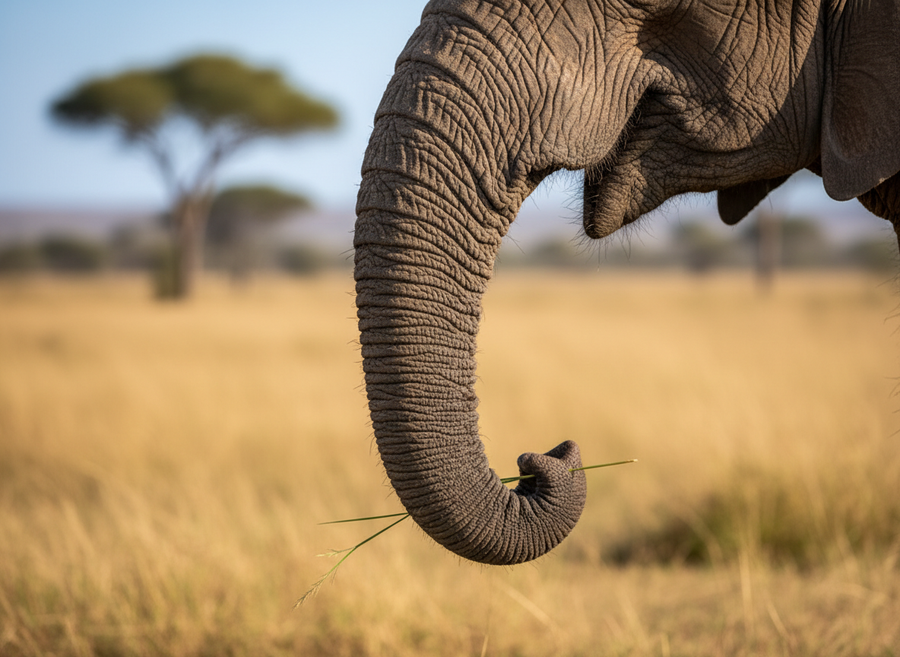
Elephants are like nature's gentle giants, with hearts as big as their bodies!
Quick Facts
Elephants are the largest land animals on Earth.
They use their trunks for breathing, smelling, touching, grasping, and drinking.
Elephant herds are led by an older female called a matriarch.
They can live for 60 to 70 years in the wild.
There are three main types of elephants: African Bush, African Forest, and Asian.
Elephants communicate using rumbles, trumpets, and even vibrations through the ground.
Their tusks are actually very long front teeth, called incisors.
Baby elephants are called calves and weigh around 200-250 pounds at birth!
Meet the Trunks: Nature's Multi-Tool
Imagine having a nose that can do almost anything! That's exactly what an elephant's trunk is. This incredible organ is made up of about 40,000 muscles, but no bones, making it incredibly strong and flexible. Elephants use their trunks for so many things:
Breathing: Just like we use our noses, elephants breathe through their trunks.
Smelling: Their sense of smell is super powerful, helping them find food and water from miles away.
Drinking: They can suck up to 14 liters (about 3.7 gallons) of water at a time and then squirt it into their mouths.
Grasping: The very tip of the trunk has finger-like projections (two on African elephants, one on Asian elephants) that allow them to pick up tiny objects, like a single blade of grass, or even a pencil!
Touching and Communicating: Elephants use their trunks to greet each other, comfort their young, and even to show affection.
It's like having a hand, a nose, and a straw all rolled into one amazing tool!

Family First: The Strong Bonds of a Herd
Elephants are incredibly social animals, and family is everything to them. They live in groups called herds, which are usually led by the oldest and often wisest female elephant, known as the matriarch. She guides the herd to food and water, remembers important migration routes, and teaches the younger elephants everything they need to know to survive.
A typical herd consists of mothers, daughters, sisters, and their calves. Male elephants, called bulls, usually leave the herd when they are teenagers and live alone or in small bachelor groups, only joining female herds to mate. The bonds within an elephant herd are very strong. They protect each other, help care for each other's babies, and even mourn when a member of their family passes away. This strong sense of community is one of the most heartwarming things about elephants.

Big Eaters, Big Ears: How Elephants Stay Cool and Full
Being the biggest land animals means elephants need to eat a lot! They are herbivores, which means they only eat plants. An adult elephant can spend up to 16 hours a day eating, consuming hundreds of pounds of grass, leaves, bark, and fruit. Their diet changes with the seasons and what's available in their habitat.
And what about those giant ears? African elephants have much larger ears than Asian elephants, and they're not just for hearing! Elephants use their ears like built-in air conditioners. Their ears are filled with tiny blood vessels. When an elephant flaps its ears, the blood flowing through these vessels cools down, helping to lower the elephant's body temperature in hot climates. It's a clever way to stay comfortable in the scorching sun!
Washing Up: Elephants and Water
Elephants absolutely love water! They enjoy bathing in rivers and mud holes, and it's not just for fun. Taking a mud bath is like applying natural sunscreen and insect repellent. The mud dries on their skin, protecting them from the sun's harsh rays and keeping pesky bugs away. When the mud dries and cracks, it also helps to flake off dead skin and parasites.
After a good mud bath, they often spray themselves with water or dust to clean off and add another layer of protection. These bathing rituals are not only essential for their hygiene and skin health but also provide a great opportunity for socialization and play within the herd. Watching a group of elephants enjoy a good splash is a truly joyful sight!
Smart and Sensitive: The Elephant's Mind
Elephants are known for being incredibly intelligent creatures. They have large brains and a remarkable capacity for learning and memory. This is where the saying 'an elephant never forgets' comes from! They can remember specific locations of water holes and food sources over vast distances and many years, which is vital for their survival.
Beyond memory, elephants show complex emotions. They can express joy, grief, compassion, and even self-awareness. Scientists have observed elephants comforting distressed herd members, showing empathy, and even performing rituals around the bones of deceased elephants. Their ability to communicate through a wide range of sounds, from deep rumbles that humans can barely hear to loud trumpets, further highlights their sophisticated social lives and intelligence. These gentle giants truly have a deep understanding of their world and each other.
We hope you've enjoyed learning about these amazing creatures! Now you can continue your elephant adventure by coloring some fantastic elephant pages online or printing them out. Have fun bringing these gentle giants to life with your favorite colors!
Educational Standards & Fact-Checking
Reviewed by KidsColouring Editorial Team
Educational References & Scientific Sources
Our curriculum and factual articles are synthesized from trusted academic encyclopedias, wildlife conservation bodies, and public science institutions:
- •Smithsonian Institution Educational Resources & National Zoo Archives — Smithsonian Institution
- •National Geographic Kids Science & Animal Encyclopedias — National Geographic Society
- •Encyclopaedia Britannica Academic & Elementary Learning Reference — Encyclopaedia Britannica


