
How Does a Kite Fly? The Science of Kites for Kids! at a Glance
Topic Focus
How Does a Kite Fly? The Science of Kites for Kids!
Learning Level
Ages 4–10 (Preschool to Grade 4)
Subject Area
Science Facts
Format
Verified Fun Facts & Guided Exploration
How Does a Kite Fly? The Amazing Science of Kites!
Have you ever watched a colorful kite dance gracefully in the sky, soaring high above your head? It looks like magic, doesn't it? One moment it's on the ground, and the next, it's a tiny speck against the clouds. But there's no magic involved, just some super cool science at work! Kites are fantastic examples of how we can use the power of the wind to make things fly.
From simple diamond kites to giant dragon kites, they all rely on the same basic principles to stay airborne. In this article, we're going to become kite scientists! We'll explore the secret forces that push and pull a kite into the sky, making it twirl and glide. Get ready to discover the wonders of aerodynamics, the science of how things move through the air, and understand exactly how a kite performs its incredible aerial ballet.
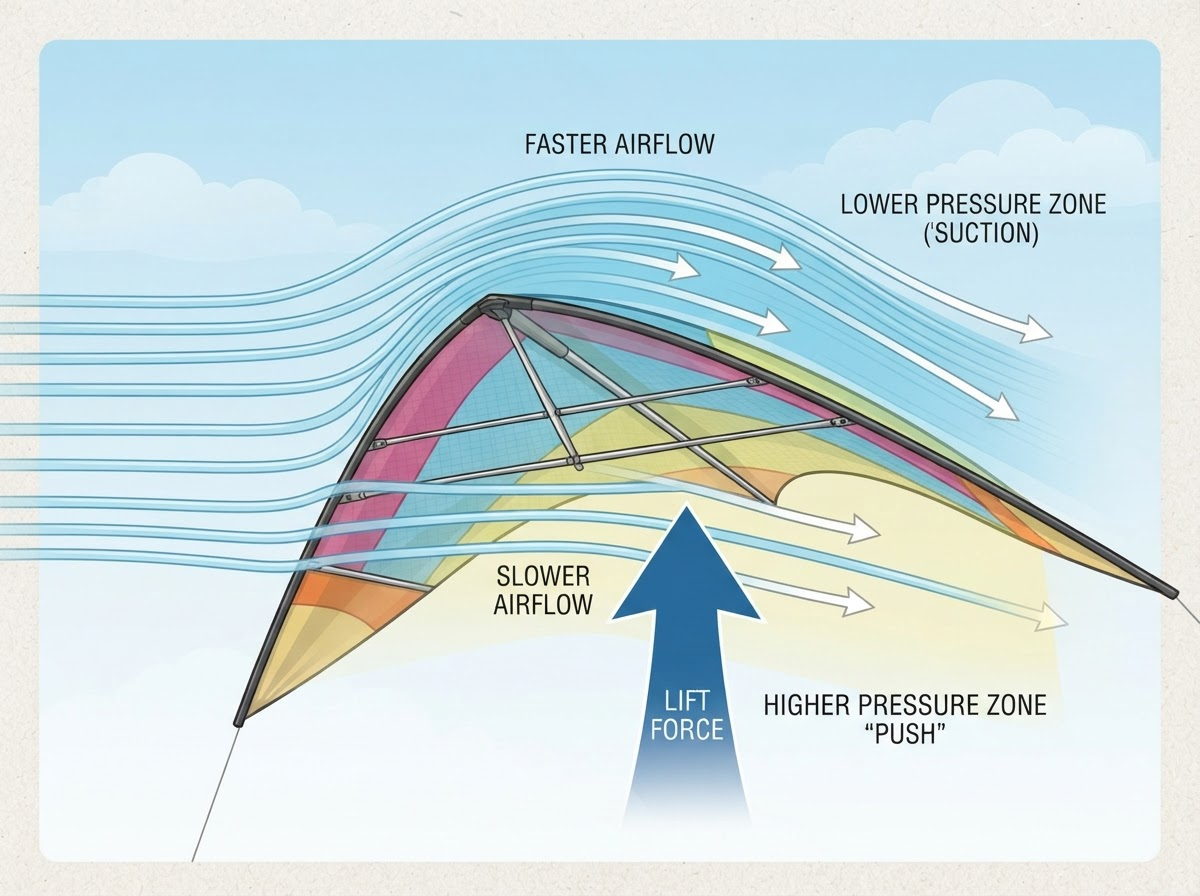
Kites are like wind dancers, using invisible forces to perform amazing tricks in the sky!
Quick Facts
Kites use four main forces: lift, drag, thrust, and gravity.
The wind pushing on the kite's surface creates lift.
The kite's shape helps it catch and direct the wind.
The tail helps keep the kite stable and prevents it from spinning.
Kites have been flown for thousands of years, first in China.
A kite line (string) acts like an anchor, helping to create tension.
The angle of the kite against the wind is very important for flight.
The Four Forces of Flight: Lift, Drag, Thrust, and Gravity
To understand how a kite flies, we first need to meet its four best friends: Lift, Drag, Thrust, and Gravity. These aren't just for kites; airplanes, birds, and even superheroes use these forces! Imagine them as invisible hands pushing and pulling on the kite:
Lift: This is the upward push that gets the kite off the ground and keeps it in the air. The wind rushes over and under the kite, creating different pressures that push the kite up.
Drag: This is the force that tries to slow the kite down and pull it backward. It's the air resisting the kite's movement. Think of it like trying to run through water – the water creates drag.
Thrust: For a kite, thrust isn't like an engine pushing it forward. Instead, it's the pull from the string and the wind pushing the kite forward, helping it move through the air against drag.
Gravity: This is the familiar force that pulls everything down towards the Earth. Without enough lift, gravity would always win, and the kite would fall.
A kite flies when the lift is strong enough to overcome gravity, and the thrust is strong enough to overcome drag. It's a delicate balance!
How Wind Creates Lift: The Secret Ingredient
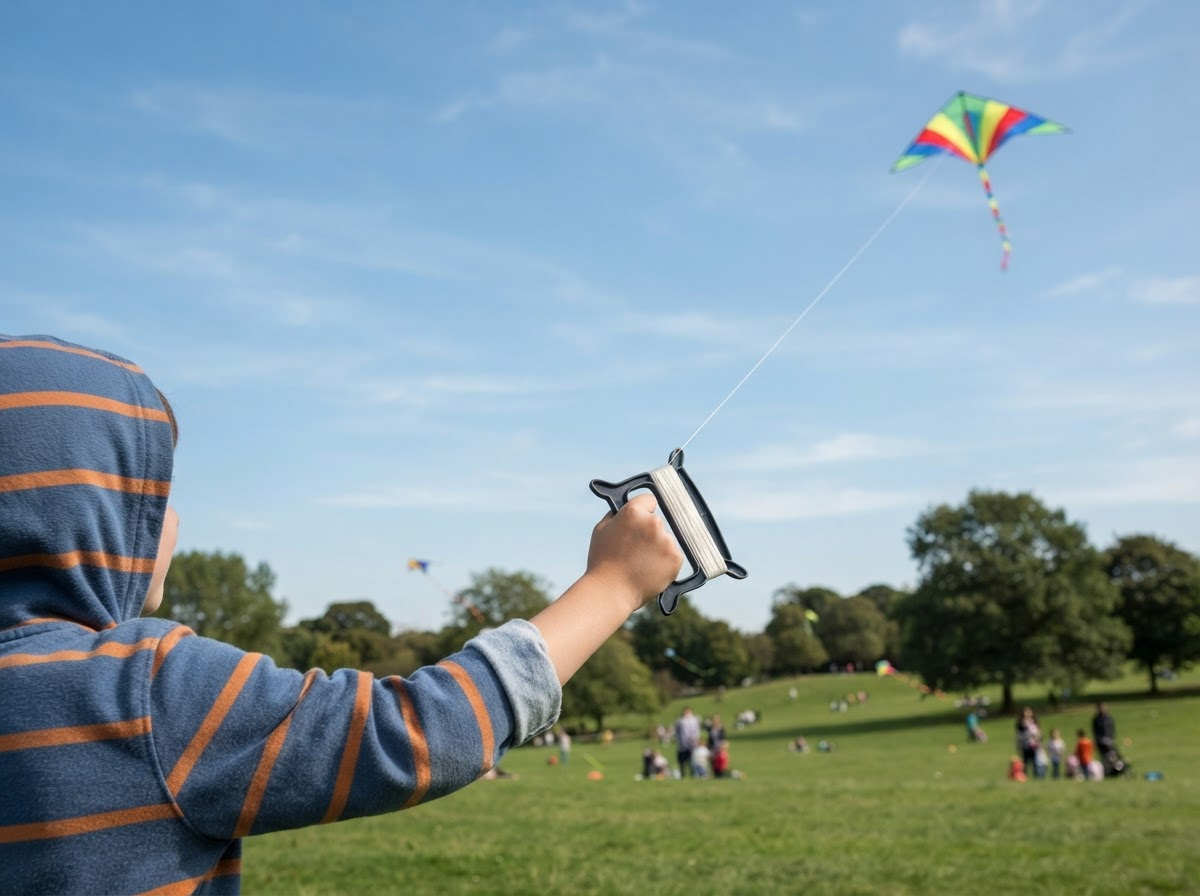
The wind is absolutely essential for kite flying. Without wind, a kite is just a piece of fabric and sticks! When the wind blows, it hits the flat or curved surface of the kite. Imagine the wind as tiny invisible marbles. When these marbles hit the kite, they bounce off, pushing the kite in the opposite direction. This push is a big part of what creates lift.
But there's more to it! The shape of the kite is designed to make the wind flow faster over the top surface than the bottom. When air moves faster, its pressure drops. So, the slower-moving air underneath the kite has higher pressure, and this higher pressure pushes the kite upwards, creating even more lift. It's a bit like how a spoon held under a running faucet gets pushed up!
The Importance of Shape and Angle: Catching the Wind Just Right
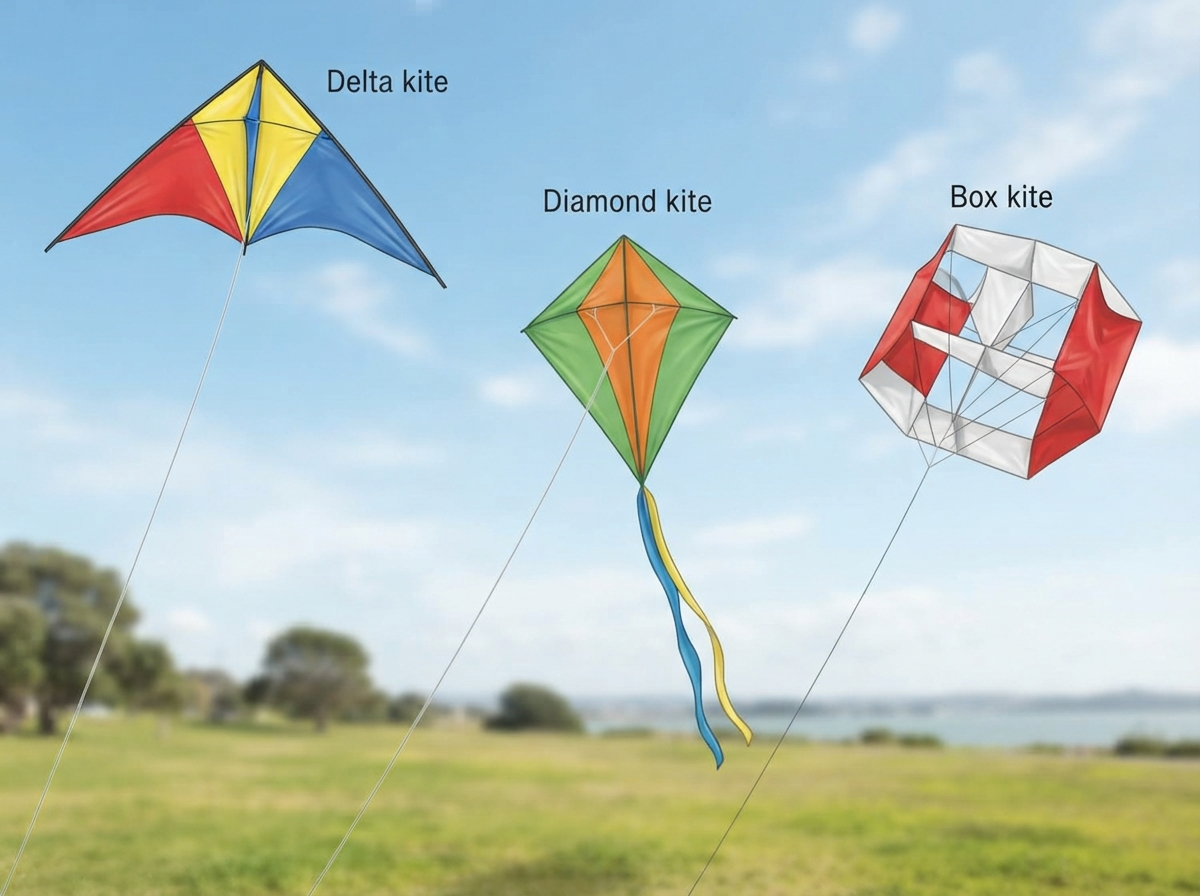
Have you noticed that most kites aren't perfectly flat? Many have a slight curve or a 'bow' in them. This shape is super important! It helps the kite catch the wind more effectively and creates that crucial difference in air pressure above and below the kite. A well-designed kite is like a perfect scoop for the wind.
The angle at which you hold the kite, and how it sits in the wind, is also key. This is called the 'angle of attack.' If the kite is too flat against the wind, it won't catch enough air to create lift. If it's angled too sharply, the wind might just push it over, creating too much drag and making it unstable. The perfect angle allows the wind to flow smoothly, generating maximum lift and minimal drag.
The Role of the Kite String and Tail: Stability and Control
You might think the string is just there to stop the kite from flying away forever, and you'd be partly right! But the string, or kite line, does much more. It acts as an anchor, creating tension against the wind. This tension helps direct the kite, allowing you to control its movement and keep it flying in the direction you want.
And what about the tail? Many kites have long, flowing tails. These aren't just for decoration! The tail adds drag to the bottom of the kite, which helps to keep it stable. Without a tail, a kite might spin wildly out of control. The tail acts like a rudder on a boat, helping to balance the kite and ensure it flies smoothly and steadily in the sky, even when the wind changes direction a little.
So, the next time you see a kite soaring high, remember all the amazing science that makes it possible! It's a wonderful example of how understanding forces like lift, drag, thrust, and gravity can help us create incredible things that defy gravity and dance with the wind. Why not try making your own kite and experimenting with different shapes and tails to see how they fly? It's a fun way to learn about science firsthand!
Educational Standards & Fact-Checking
Reviewed by KidsColouring Editorial Team
Educational References & Scientific Sources
Our curriculum and factual articles are synthesized from trusted academic encyclopedias, wildlife conservation bodies, and public science institutions:
- •Smithsonian Institution Educational Resources & National Zoo Archives — Smithsonian Institution
- •National Geographic Kids Science & Animal Encyclopedias — National Geographic Society
- •Encyclopaedia Britannica Academic & Elementary Learning Reference — Encyclopaedia Britannica


