
How Does a Phone Work? The Magic of Sound and Radio Waves at a Glance
Topic Focus
How Does a Phone Work? The Magic of Sound and Radio Waves
Learning Level
Ages 4–10 (Preschool to Grade 4)
Subject Area
Science Facts
Format
Verified Fun Facts & Guided Exploration
How Does a Phone Work? The Magic of Sound and Radio Waves!
Imagine standing on one side of a huge school playground and trying to whisper to your friend on the very far side. They probably wouldn't hear you because your voice naturally fades as it travels through the air. Yet, if you pick up a cell phone, you can talk to someone on the other side of the planet instantly! How does your voice travel thousands of miles in less than a second? It feels like magic, but it is actually incredible, real-world science.
Just like animals have evolved special ways of sending signals across long distances - like wolves howling through dense forests or blue whales singing through deep oceans - humans invented the telephone to carry our voices. Phones turn your spoken words into invisible messages that fly at the speed of light. Let's explore the amazing journey your voice takes every time you make a phone call!
A phone is like a high-tech translator that turns your voice into invisible light beams, flying across the world in the blink of an eye!
Quick Facts
Your voice travels through the air as physical vibration patterns called sound waves.
Phones use a tiny microphone to turn sound waves into digital electrical signals.
These electrical signals are converted into invisible radio waves, which are a type of light.
Radio waves travel at 186,000 miles per second - the speed of light!
Cell towers act like giant ears and mouths, catching and throwing these radio waves.
Underground fiber-optic cables carry phone data across oceans using real laser beams.
Just like bats use echolocation waves, phones use radio waves to navigate the air.
From Vocal Chords to Vibration: The Science of Sound
To understand how a phone works, we first have to look at how we talk. When you speak, your vocal cords inside your throat vibrate. This vibration pushes the air around your mouth, creating invisible ripples called sound waves. It is very similar to dropping a pebble into a quiet pond and watching the water ripples spread outward in circles.
Animals use sound waves all the time to communicate. Birds chirp to warn others of danger, and frogs croak to find friends in a pond. However, sound waves cannot travel very far through the air before they lose energy and fade away. If you yell as loud as you can, your voice might only travel a few hundred feet. To send your voice further, a phone has to change those physical sound waves into something much faster and stronger.
Inside the Microphone: Transforming Your Voice
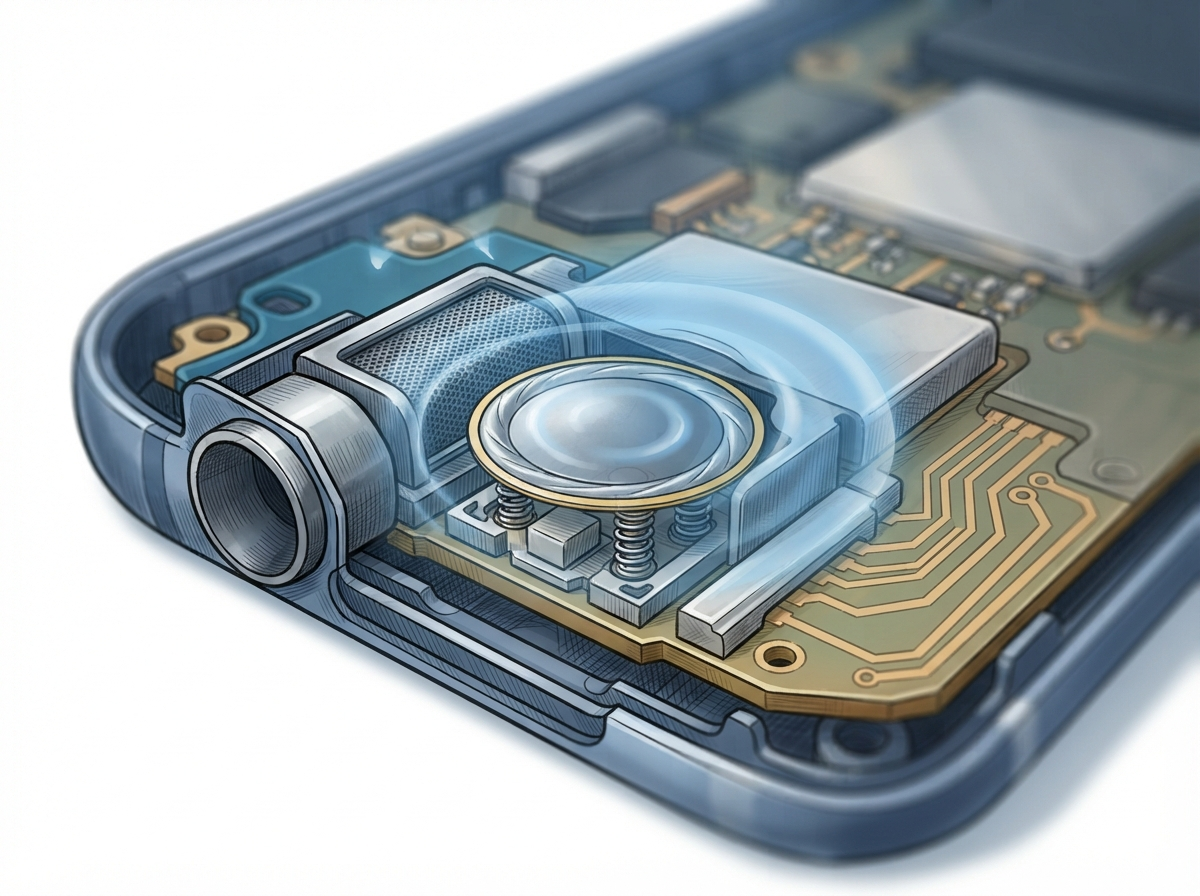
When you speak into a phone, your sound waves hit a tiny, specialized part inside called the microphone. Inside this microphone is an incredibly thin, flexible membrane that acts just like your own eardrum. When your voice ripples hit this membrane, it starts to vibrate back and forth rapidly.
These tiny vibrations shake an electrical sensor inside the phone. This movement instantly turns the physical sound waves into a pattern of electrical signals. The phone then translates this electrical pattern into computer language - a digital code made of ones and zeros. This code is super easy for the phone's internal computer brain to process and send. It is like translating your voice into a secret, ultra-fast digital code!
Radio Waves: The Invisible Messengers
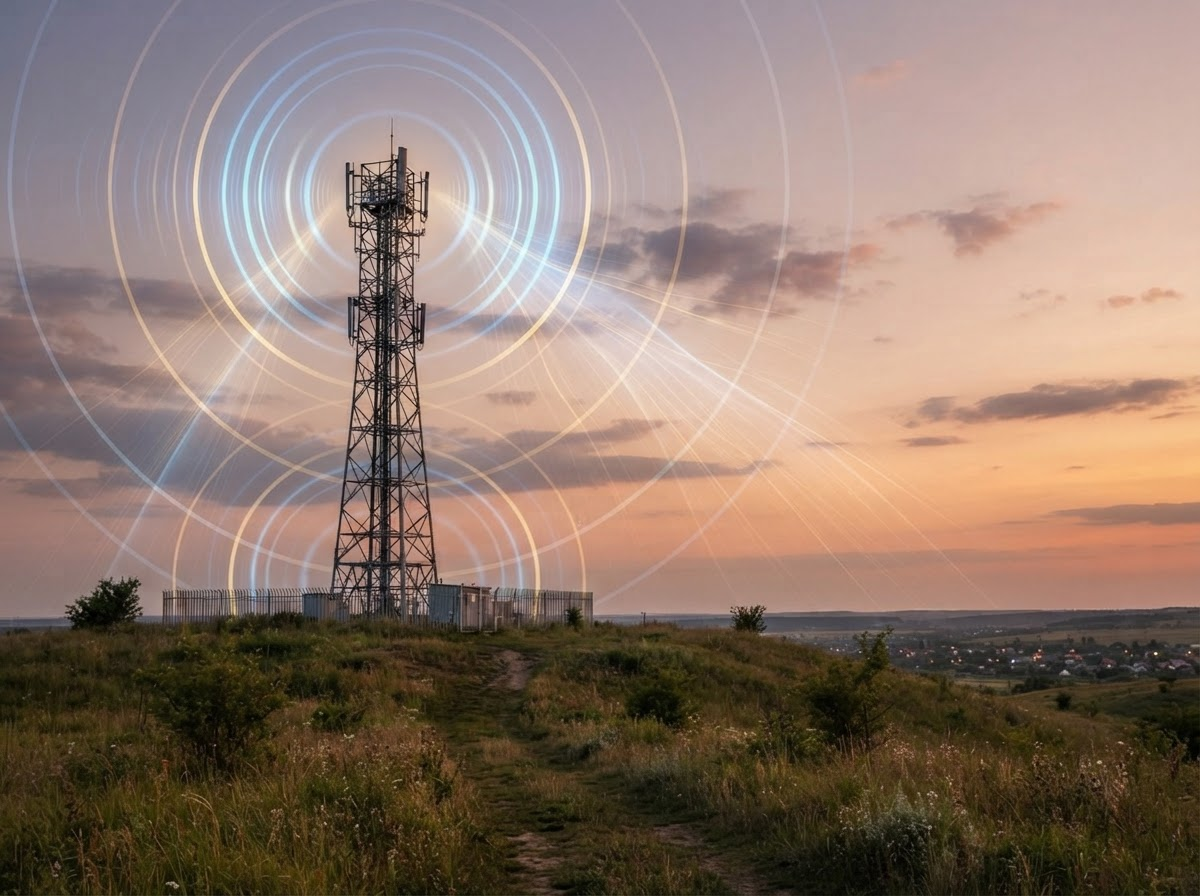
Once your voice is turned into digital code, the phone's internal antenna goes to work. The antenna converts the electrical code into radio waves. Radio waves are a special kind of invisible light that can travel right through walls, windows, and the open air.
This is where humans took inspiration from the natural world! Think of how dolphins use echolocation, sending out sound pulses through the water to navigate and communicate. Radio waves do something similar in the air. They bounce around obstacles and travel incredibly fast. In fact, they travel at the speed of light, which means they can wrap around the entire Earth seven times in just one second! Your phone sends these radio waves zooming out in all directions, searching for the nearest receiver.
Cell Towers and Giant Cables: The Earth's Communication Grid
Have you ever seen tall, metal towers with lots of boxes and antennas on top while driving? Those are cell towers, and they are the secret heroes of the phone world. When you make a call, the radio waves from your phone fly to the nearest cell tower.
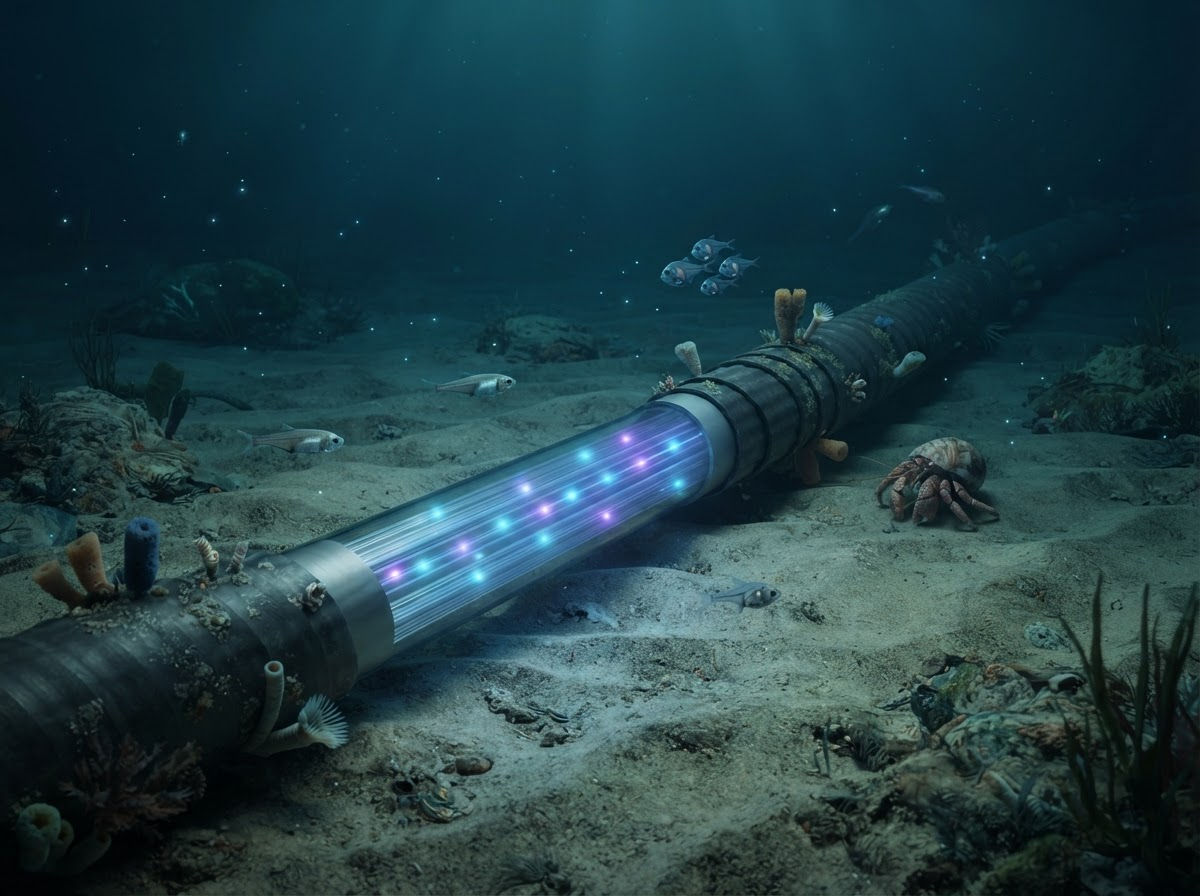
Each tower covers a specific geographic area called a cell. This is why we call them cell phones! If you are riding in a car, your phone seamlessly hops from one cell tower to the next without dropping your call. Once the tower catches your radio waves, it sends them through high-speed cables buried deep underground. Some of these cables are laid at the very bottom of the ocean, connecting continents with bundles of glass threads called fiber-optics. These cables use pulses of laser light to carry millions of phone calls across oceans in a fraction of a millisecond.
Rebuilding the Sound: The Receiver's Magic
So, how does the person on the other end actually hear you? The entire process happens in reverse! The underground cables carry the digital signal to a cell tower near your friend. That tower beams radio waves directly to your friend's phone antenna.
The receiving phone catches the radio waves and converts them back into electrical signals. These signals travel to the phone's speaker, which contains a tiny electromagnet and a cone. The electrical signals make the electromagnet vibrate, pushing the speaker cone back and forth. This movement pushes the air, recreating the exact same sound waves that left your mouth! Your friend's ears catch these vibrations, and their brain hears your voice. All of this happens so fast that you can have a conversation in real-time without any delay.
Bring this amazing technology to life with our free printable coloring pages! You can download a high-quality PNG print of cell phones, radio towers, and communication satellites, or color them online right now at KidsColouringPage.com.
Educational Standards & Fact-Checking
Reviewed by KidsColouring Editorial Team
Educational References & Scientific Sources
Our curriculum and factual articles are synthesized from trusted academic encyclopedias, wildlife conservation bodies, and public science institutions:
- •Smithsonian Institution Educational Resources & National Zoo Archives — Smithsonian Institution
- •National Geographic Kids Science & Animal Encyclopedias — National Geographic Society
- •Encyclopaedia Britannica Academic & Elementary Learning Reference — Encyclopaedia Britannica


